Keep actual Push delivery and campaign conditions clear
Push operation begins with the selected delivery type. Classic web Push uses a notification-permission relationship; in-page Push appears inside a page and does not establish browser-notification consent. Neither means the person subscribed to your affiliate brand. Confirm the actual setup before interpreting response or describing the audience. Delivery context, reader eligibility and commission qualification answer different questions.
Keep the purchase’s important conditions identifiable: offer, market, device context, delivery type, creative and destination version. Include the selected bid, budget and relevant source settings. This is enough to explain many operating decisions without pretending that every programme exposes an individual customer trail. The purpose is to understand the media change, not to create a detailed report whose relationships the actual records cannot support.
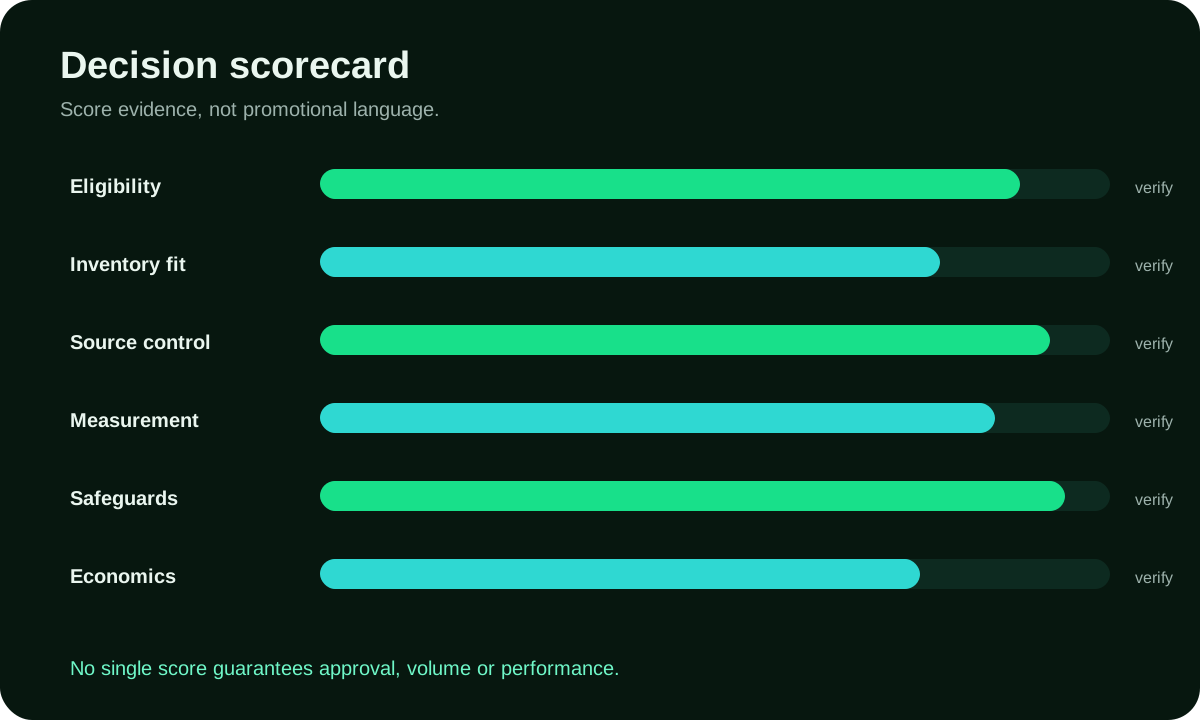
Isolate the newest allocation from older outcomes before deciding to add budget. A successful earlier message or source can hide expensive recent spending in a blended total. Keep programme approval status, commission and acquisition costs with each period. Judge another purchase on the cost and approved value of that addition, rather than an older positive account total.
Check what changed before choosing the operating response
Use the operating table to check what actually changed before choosing a response. An asset update, a different delivery context and a new destination can each affect the route. Keep an appropriate comparison where the records allow it. If several conditions changed together, the total may reveal a problem without establishing which change caused it.
Separate media delivery, landing-page activity and programme approval before explaining a campaign result. Media reports describe what you bought; page or tracker observations describe the visitor’s path; the programme decides which actions qualify for commission. Connect these records only where their identifiers, permissions and coverage support the comparison. Keep an unknown cause visible instead of guessing before changing the campaign.
| Decision area | What to define | Evidence before scale |
|---|---|---|
| Format role | Record classic or in-page Push and the actual supported device context. | Do not infer brand subscription or product eligibility from notification-style delivery. |
| Creative continuity | Preserve the real title, body, icon and optional image version used for the period. | Distinguish a new customer proposition from a cosmetic export or asset correction. |
| Source evidence | Use the actual source, creative and campaign detail the media reports expose. | Keep commercial attribution at the level the programme permits and supports. |
| Destination | Check the destination version, material offer conditions and permitted onward route. | Resolve a broken link or claim mismatch before treating the response as source quality. |
| Scale rule | Inspect recent acquisition expenses and appropriately matured available commission. | Choose a specific next adjustment without using older value as a forecast. |
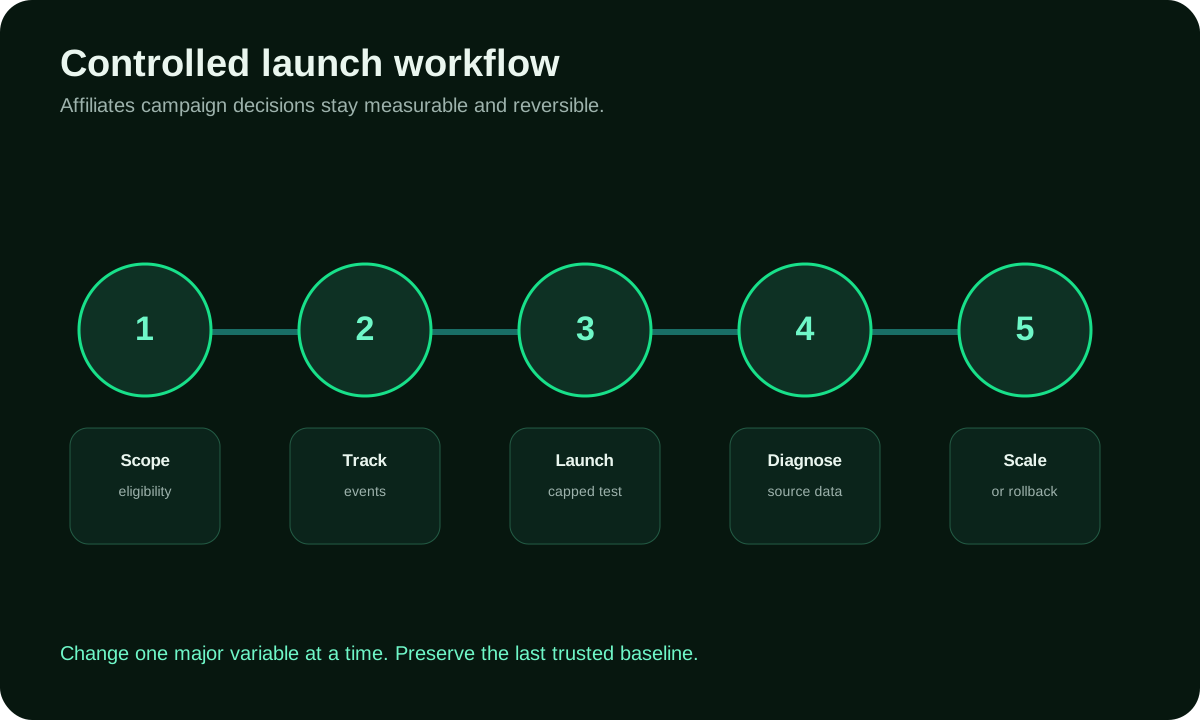
Prepare a short change record before altering a material setting. Note what you will change, which observation it addresses and which important conditions remain comparable. Include an affordable spending boundary for the new purchase. You do not need an invented universal click threshold; you need a meaningful question whose answer can affect the next practical decision.