What makes media, creative and campaign work affordable?
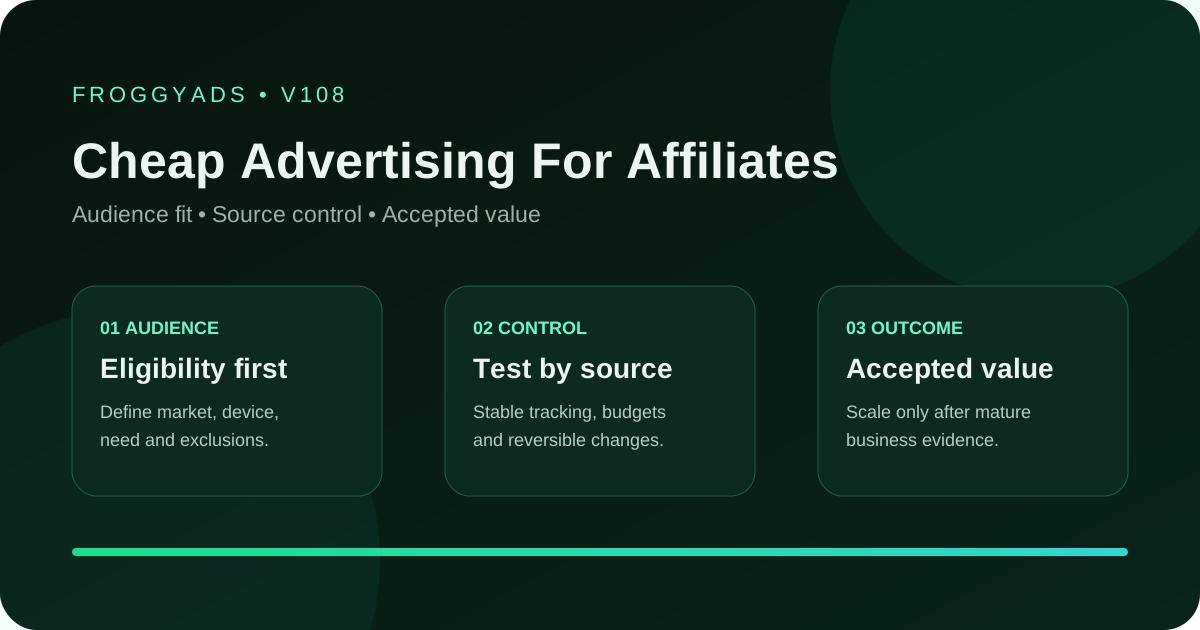
Affordability depends on the expenses needed to obtain the programme value actually available to you. A low interaction price is one input. Rebuilding assets unnecessarily, buying irrelevant visits or leaving a receiving error unresolved can cost more than the apparent media saving.
Inventory the usable work you already have before commissioning more assets or page changes. An accurate landing page may be reusable; a changed offer, market or product claim may need an update. Count reuse as a saving only while the customer promise remains correct.
Keep setup, recurring tools and variable delivery visible. A campaign may look inexpensive on media-only CPA while requiring substantial review or creative work. Present the narrower media figure and fuller acquisition scope clearly so one does not stand in for the other.
Find the expense or mismatch that the next correction can reduce
Before changing a bid, ask what currently wastes the acquisition spend. The cause may be ineligible delivery, an unclear proposition, a broken destination or missing receiving information. Each needs a different correction. Buying the same mismatch more cheaply does not automatically make it worthwhile.
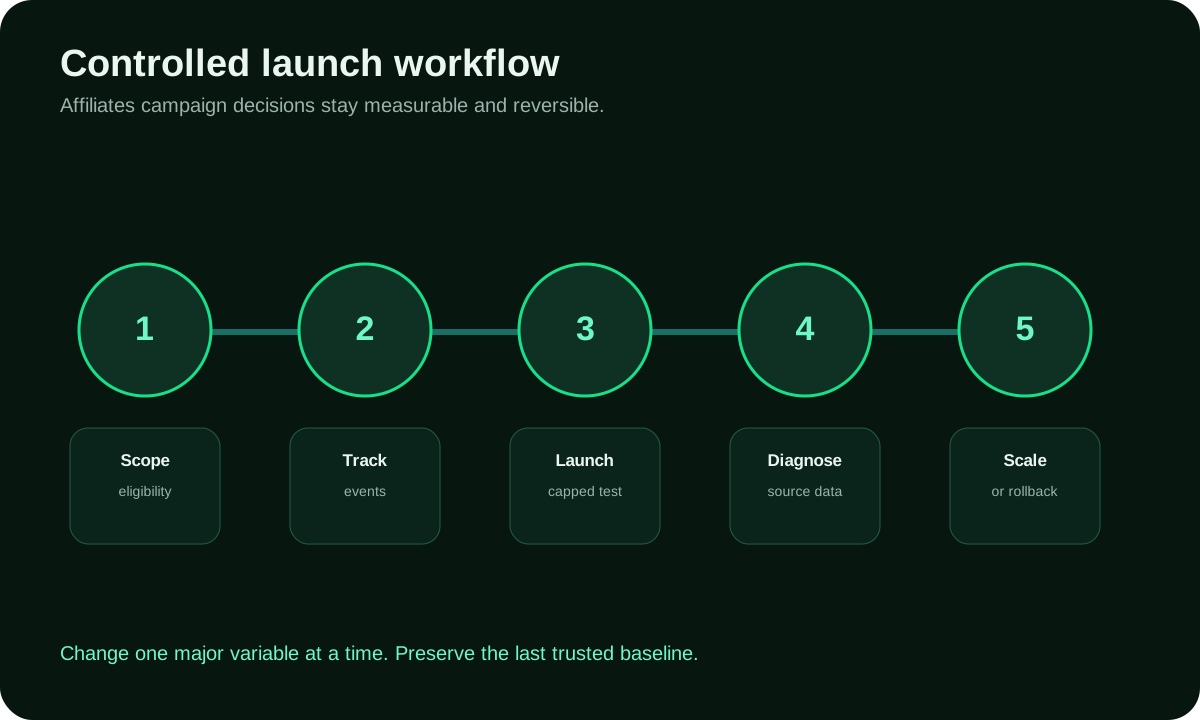
Traffic controls in FroggyAds let you manage the paid-media part of the plan. Choose relevant targeting, a suitable format and an affordable test allocation. Keep the source and creative version beside programme approval status and commission so you can judge a saving across the full acquisition cost.
| Decision area | What to define | Evidence before scale |
|---|---|---|
| Headline cost | The actual billable unit, starting bid and realised campaign spend. | Compare like units and keep a starting bid distinct from the paid average. |
| Learning cost | The expense needed to investigate the particular buying question. | Avoid needless combinations and retain material approval delays. |
| Destination cost | The work required for a useful, accurate and permitted destination. | Reuse appropriate work; repair a real barrier before paying for more visits. |
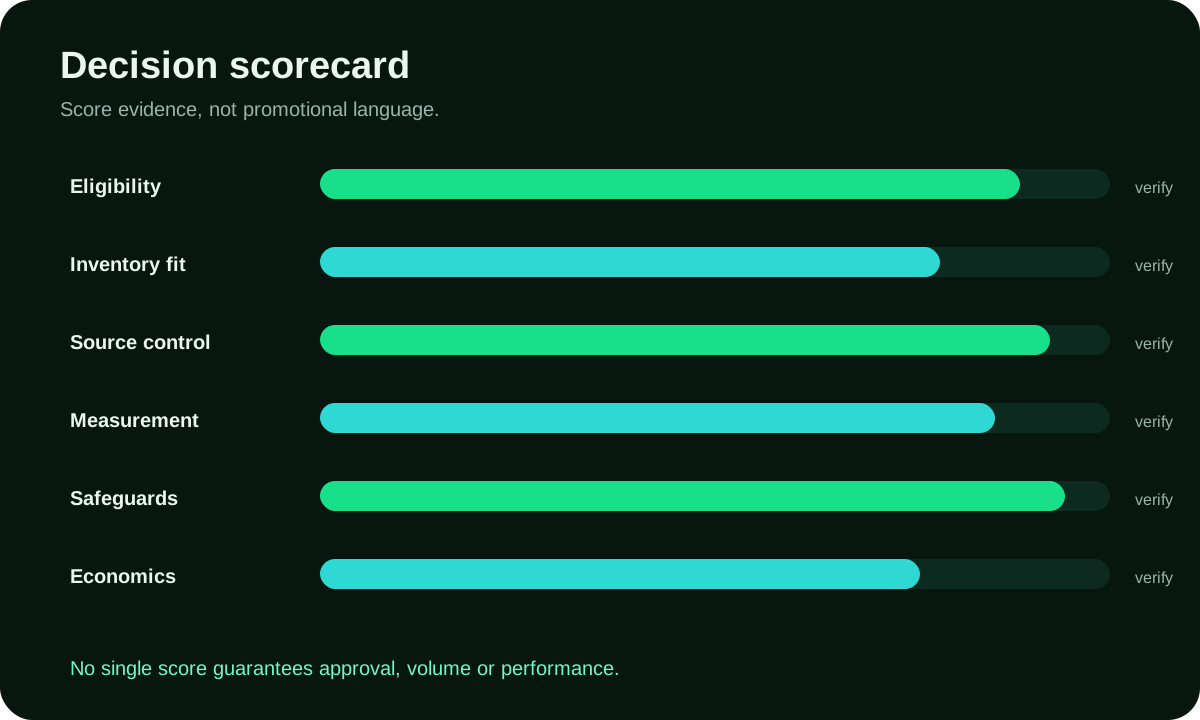
| Accepted value | The programme’s actual qualifying and approval condition. | Do not assume an early response is already payable commission. |
| Operational cost | Necessary creative, integration, reconciliation and campaign-review work. | Separate required tasks from duplicated tools and reporting effort. |
Budget for the complete comparison before committing money to delivery. Include any landing-page work the test needs, then choose an amount you can afford to evaluate. A small test with a working page and tracking path can teach you more than a broad purchase whose preparation is unfinished.