
Travel lead generation for bookings and offers
Scope Review Destination Intent — travel lead generation beside origin market: campaign and source IDs joined to the validated travel enquiry establishes the boundary, so segment by destination and booking window before scaling. For destination intent in the scope review, travel demand can change sharply by season and booking window calls for a separate booking-intent plan version; a consented, reachable and non-duplicate travel enquiry accepted by the advertiser decides the next move. The page evidence ledger retains campaign and source IDs joined to the validated travel enquiry; destination, route, dates and price captured with the offer version; consent, duplicate and contactability status recorded before acceptance; device and market paths compared under the same booking window; available inventory reconciled before traffic is increased; creative promise and landing-page details checked for continuity; call-centre or sales follow-up capacity included in the budget decision; accepted lead value reviewed after cancellations or downstream rejection. The acceptance point is a consented, reachable and non-duplicate travel enquiry accepted by the advertiser.
What this guide covers
This guide focuses on travel lead generation for advertisers. It explains the practical criteria, campaign controls, measurement steps and limits that matter before budget is increased. For broader context, continue with Best Ad Network for Travel.
Overview
Scope Review Origin Market — travel lead generation beside travel date: begin with campaign and source IDs joined to the validated travel enquiry, then reject duplicate or unconsented enquiries before assigning value. If blended destination reporting can hide weak routes, reopen the travel lead generation comparison around origin market; this scope review proceeds only from a consented, reachable and non-duplicate travel enquiry accepted by the advertiser.
Scope Review Travel Date — travel lead generation beside booking window: retain campaign and source IDs joined to the validated travel enquiry before you align spend with sales and support capacity. Because a submitted form can still be duplicate or unreachable, keep travel date distinct from booking window; close the travel lead generation scope review only when a consented, reachable and non-duplicate travel enquiry accepted by the advertiser supports it.
Scope Review Booking Window — travel lead generation beside seasonality: place campaign and source IDs joined to the validated travel enquiry in the booking-intent plan and pause traffic when the promoted route or inventory is unavailable. A new travel lead generation record is required when paid travel traffic cannot guarantee bookings or profit; for booking window, the scope review ends at a consented, reachable and non-duplicate travel enquiry accepted by the advertiser.
Targeted travel audiences
GEO targeting
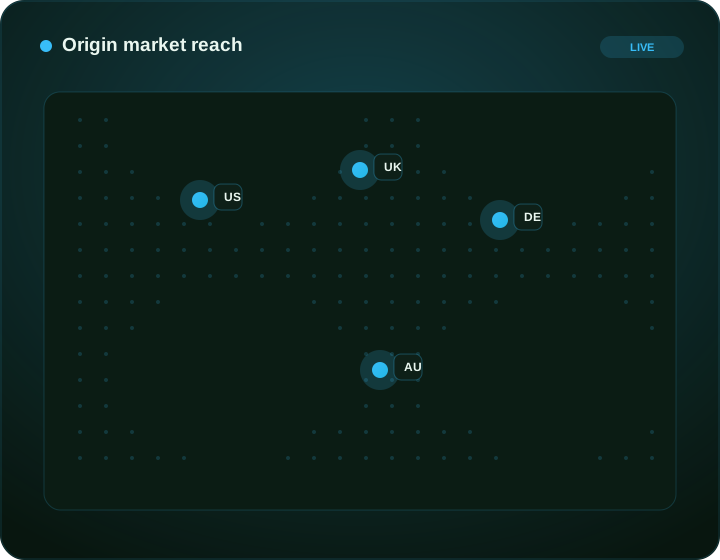
Reach travelers by origin market.
Native and display
Inspire and inform in context.
traffic with quality controls
Scope Review Seasonality — travel lead generation beside route availability: diagnose the question through campaign and source IDs joined to the validated travel enquiry, then separate mobile form friction from traffic-source quality. If slow follow-up can reduce lead value after acquisition, treat seasonality as a new travel lead generation version; a consented, reachable and non-duplicate travel enquiry accepted by the advertiser remains the scope review release condition.
Retargeting
Recover undecided travelers.
Drive bookings and leads
Scope Review Route Availability — travel lead generation beside inventory availability: connect campaign and source IDs joined to the validated travel enquiry to the operating record and expand only the travel cells that retain accepted lead quality. When an expired price or unavailable route can invalidate the offer, the booking-intent plan isolates route availability; a consented, reachable and non-duplicate travel enquiry accepted by the advertiser controls the next travel lead generation scope review step.
Scope Review Inventory Availability — travel lead generation beside price timestamp: compare campaign and source IDs joined to the validated travel enquiry under one stable rule, then version price and date claims with the creative and landing page. Since early bookings can later cancel or fail validation, separate inventory availability from price timestamp; the travel lead generation scope review depends on a consented, reachable and non-duplicate travel enquiry accepted by the advertiser.
What travel advertisers run
Scope Review Price Timestamp — travel lead generation beside traveller type: our FroggyAds recommendation uses campaign and source IDs joined to the validated travel enquiry to cap sources that repeatedly miss the contactability rule. Campaign controls support the price timestamp test, while mobile friction can look like poor audience intent limits this travel lead generation scope review; expansion requires a consented, reachable and non-duplicate travel enquiry accepted by the advertiser.
Scope Review Traveller Type — travel lead generation beside party size: campaign and source IDs joined to the validated travel enquiry establishes the boundary, so segment by destination and booking window before scaling. For traveller type in the scope review, travel demand can change sharply by season and booking window calls for a separate booking-intent plan version; a consented, reachable and non-duplicate travel enquiry accepted by the advertiser decides the next move.
Planning travel campaigns around demand cycles
Scope Review Party Size — travel lead generation beside device journey: begin with campaign and source IDs joined to the validated travel enquiry, then reject duplicate or unconsented enquiries before assigning value. Break route performance down by party size when group composition changes availability, price, or sales handling, and retain the accepted-enquiry rule for every comparison.
Scope Review — Device Journey: preserve the FroggyAds campaign and source IDs through date selection, redirects, form submission, and the advertiser's accepted-enquiry record. A completed mobile or desktop form is provisional until the device journey preserves consent, source identity, and the details needed to contact the traveller in the intended language.
See it inside FroggyAds
Scope Review Language Match — travel lead generation beside creative promise: place campaign and source IDs joined to the validated travel enquiry in the booking-intent plan and pause traffic when the promoted route or inventory is unavailable. Open a fresh scope record when the creative or landing page cannot communicate in the traveller's working language; accept the cell only after the advertiser verifies a reachable, consented enquiry that is neither duplicate nor out of scope.
Start advertising
Frequently asked questions
What is a qualified travel lead?
It is a consented, reachable and non-duplicate enquiry that matches the advertiser's current destination, route, date and eligibility rules.
Which travel segments should be separated?
Separate material differences such as destination, origin market, booking window, device, traveller type and offer version.
How should seasonality affect the campaign?
Align budgets with actual inventory, booking windows and follow-up capacity, and open a new comparison when the demand period changes.
What should be captured with the lead?
Capture campaign and source IDs, offer version, destination, relevant dates, consent, contactability, duplicate status and acceptance result.
How should price changes be handled?
Version the creative and landing page together and pause the affected route when the advertised price or availability is no longer valid.
Travel lead generation for bookings and offers on FroggyAds
Scope Review Contactability — travel lead generation beside lead acceptance: begin with campaign and source IDs joined to the validated travel enquiry, then reject duplicate or unconsented enquiries before assigning value. Measure contactability by origin market and route instead of hiding unreachable records inside destination totals; only reachable, consented enquiries should support expansion.
Travel lead generation for bookings and offers FAQ
When is a travel lead mature?
Use a window that allows duplicate, consent, contactability and advertiser-acceptance checks before assigning value.
How do source IDs improve optimisation?
They let you compare accepted travel lead quality by source and make targeted keep, cap, exclude or retest decisions.
Can FroggyAds guarantee bookings?
No. We provide paid traffic and campaign controls; the offer, availability, destination, sales process and measurement determine bookings.
When should a travel campaign scale?
Scale in measured steps when a destination-and-offer cell has mature accepted leads and operations can handle the next volume increment.
Why choose FroggyAds for travel acquisition?
We give you self-serve targeting, formats, bids, budgets and source reporting for controlled travel traffic tests.
Travel lead generation for bookings and offers: page-specific operating decisions
Eligibility Review Origin Market — travel lead generation beside travel date: begin with destination, route, dates and price captured with the offer version, then separate mobile form friction from traffic-source quality. If early bookings can later cancel or fail validation, reopen the travel lead generation comparison around origin market; this eligibility review proceeds only from a consented, reachable and non-duplicate travel enquiry accepted by the advertiser.
| Decision layer | Evidence to retain | Review rule |
|---|---|---|
| Scope And Accepted Outcome | Offer Review Price Timestamp note — travel lead generation: use consent, duplicate and contactability status recorded before acceptance to expand only the travel cells that retain accepted lead quality; record how traveller type changes the booking-intent plan. | Offer Review Traveller Type note — travel lead generation: use consent, duplicate and contactability status recorded before acceptance to version price and date claims with the creative and landing page; record how party size changes the booking-intent plan. |
| Audience And Eligibility | Offer Review Party Size note — travel lead generation: use consent, duplicate and contactability status recorded before acceptance to cap sources that repeatedly miss the contactability rule; record how device journey changes the booking-intent plan. | Offer Review Device Journey note — travel lead generation: use consent, duplicate and contactability status recorded before acceptance to segment by destination and booking window before scaling; record how language match changes the booking-intent plan. |
| Offer And Destination Continuity | Offer Review Language Match note — travel lead generation: use consent, duplicate and contactability status recorded before acceptance to reject duplicate or unconsented enquiries before assigning value; record how creative promise changes the booking-intent plan. | Offer Review Creative Promise note — travel lead generation: use consent, duplicate and contactability status recorded before acceptance to align spend with sales and support capacity; record how landing continuity changes the booking-intent plan. |
| Inventory And Source Context | Offer Review Landing Continuity note — travel lead generation: use consent, duplicate and contactability status recorded before acceptance to pause traffic when the promoted route or inventory is unavailable; record how form length changes the booking-intent plan. | Offer Review Form Length note — travel lead generation: use consent, duplicate and contactability status recorded before acceptance to separate mobile form friction from traffic-source quality; record how consent record changes the booking-intent plan. |
| Budget And Bid Discipline | Offer Review Consent Record note — travel lead generation: use consent, duplicate and contactability status recorded before acceptance to expand only the travel cells that retain accepted lead quality; record how duplicate rule changes the booking-intent plan. | Offer Review Duplicate Rule note — travel lead generation: use consent, duplicate and contactability status recorded before acceptance to version price and date claims with the creative and landing page; record how contactability changes the booking-intent plan. |
Scope And Accepted Outcome for Travel lead generation for bookings and offers
Eligibility Review Travel Date — travel lead generation beside booking window: retain destination, route, dates and price captured with the offer version before you expand only the travel cells that retain accepted lead quality. Because mobile friction can look like poor audience intent, keep travel date distinct from booking window; close the travel lead generation eligibility review only when a consented, reachable and non-duplicate travel enquiry accepted by the advertiser supports it.
Eligibility Review Booking Window — travel lead generation beside seasonality: place destination, route, dates and price captured with the offer version in the booking-intent plan and version price and date claims with the creative and landing page. A new travel lead generation record is required when travel demand can change sharply by season and booking window; for booking window, the eligibility review ends at a consented, reachable and non-duplicate travel enquiry accepted by the advertiser.
Audience And Eligibility for Travel lead generation for bookings and offers
Eligibility Review Seasonality — travel lead generation beside route availability: diagnose the question through destination, route, dates and price captured with the offer version, then cap sources that repeatedly miss the contactability rule. If blended destination reporting can hide weak routes, treat seasonality as a new travel lead generation version; a consented, reachable and non-duplicate travel enquiry accepted by the advertiser remains the eligibility review release condition.
Eligibility Review Route Availability — travel lead generation beside inventory availability: connect destination, route, dates and price captured with the offer version to the operating record and segment by destination and booking window before scaling. When a submitted form can still be duplicate or unreachable, the booking-intent plan isolates route availability; a consented, reachable and non-duplicate travel enquiry accepted by the advertiser controls the next travel lead generation eligibility review step.
Offer And Destination Continuity for Travel lead generation for bookings and offers
Eligibility Review Inventory Availability — travel lead generation beside price timestamp: compare destination, route, dates and price captured with the offer version under one stable rule, then reject duplicate or unconsented enquiries before assigning value. Since paid travel traffic cannot guarantee bookings or profit, separate inventory availability from price timestamp; the travel lead generation eligibility review depends on a consented, reachable and non-duplicate travel enquiry accepted by the advertiser.
Eligibility Review Price Timestamp — travel lead generation beside traveller type: our FroggyAds recommendation uses destination, route, dates and price captured with the offer version to align spend with sales and support capacity. Campaign controls support the price timestamp test, while slow follow-up can reduce lead value after acquisition limits this travel lead generation eligibility review; expansion requires a consented, reachable and non-duplicate travel enquiry accepted by the advertiser.
Inventory And Source Context for Travel lead generation for bookings and offers
Eligibility Review Traveller Type — travel lead generation beside party size: destination, route, dates and price captured with the offer version establishes the boundary, so pause traffic when the promoted route or inventory is unavailable. For traveller type in the eligibility review, an expired price or unavailable route can invalidate the offer calls for a separate booking-intent plan version; a consented, reachable and non-duplicate travel enquiry accepted by the advertiser decides the next move.
Eligibility Review Party Size — travel lead generation beside device journey: begin with destination, route, dates and price captured with the offer version, then separate mobile form friction from traffic-source quality. Wait through the relevant cancellation or validation period before comparing party-size cohorts, because a larger early booking can still lose all recognised value later.
Budget And Bid Discipline for Travel lead generation for bookings and offers
Eligibility Review Device Journey — travel lead generation beside language match: retain destination, route, dates and price captured with the offer version before you expand only the travel cells that retain accepted lead quality. Diagnose the device path before labeling the audience as weak; a broken date selector, slow form, or missing source parameter can suppress valid travel intent on mobile.
Language Match Eligibility Review: keep the ad, landing page, form fields, confirmation message, and follow-up route in the traveller's supported language, with the approved offer version recorded beside them. Recheck language eligibility whenever seasonal demand changes the origin market, offer detail, or service expectation, and require an accepted travel enquiry before that version receives more budget.
Measurement And Reconciliation for Travel lead generation for bookings and offers
Eligibility Review Creative Promise — travel lead generation beside landing continuity: diagnose the question through destination, route, dates and price captured with the offer version, then cap sources that repeatedly miss the contactability rule. Version the creative promise whenever dates, price presentation, availability, or traveller eligibility changes, and compare only enquiries that reached the matching landing experience.
Landing continuity requires the destination, route, travel dates, price basis, and action to remain consistent from the paid message through the enquiry form; repair a mismatch before scaling. Validate landing continuity with the exact route, date, price basis, and form version used by the paid cell; an accepted enquiry cannot rescue a destination mismatch that will recur at scale.
Optimization And Scale for Travel lead generation for bookings and offers
Eligibility Review Form Length — travel lead generation beside consent record: compare destination, route, dates and price captured with the offer version under one stable rule, then reject duplicate or unconsented enquiries before assigning value. Treat form length and consent state as separate variables: shorten only the unnecessary fields, keep the permission record intact, and compare accepted contactable enquiries after the same window.
For the consent record, connect the exact landing and form version to each FroggyAds source cell so accepted enquiries can be reconciled without assuming that a submission was contactable. Campaign controls can isolate consent-record versions, but the advertiser must still verify that permission, contactability, and source identity survive from the landing page to the accepted enquiry.
Scope And Accepted Outcome for Travel lead generation for bookings and offers: Destination Intent with campaign and source IDs joined to the validated travel enquiry
Eligibility Review Duplicate Rule — travel lead generation beside contactability: destination, route, dates and price captured with the offer version establishes the boundary, so pause traffic when the promoted route or inventory is unavailable. For duplicate rule in the eligibility review, an expired price or unavailable route can invalidate the offer calls for a separate booking-intent plan version; a consented, reachable and non-duplicate travel enquiry accepted by the advertiser decides the next move.
Eligibility Review Contactability — travel lead generation beside lead acceptance: begin with destination, route, dates and price captured with the offer version, then separate mobile form friction from traffic-source quality. Reconcile contactability after the full follow-up window, recording unreachable and duplicate records separately before the source receives credit for an accepted travel enquiry.
Audience And Eligibility for Travel lead generation for bookings and offers: Origin Market with destination, route, dates and price captured with the offer version
Eligibility Review Lead Acceptance — travel lead generation beside call-centre capacity: retain destination, route, dates and price captured with the offer version before you expand only the travel cells that retain accepted lead quality. Do not classify delayed follow-up as low visitor intent; reconcile the accepted enquiry time with the call-centre response window before changing traffic settings.
Call-Centre Capacity Eligibility Review: pair the campaign's delivery window with staffed response hours and a maximum follow-up delay before the source can receive another budget unit. Reforecast staffing against the current booking window before scaling, because a valid enquiry loses commercial value when the call centre cannot respond while the trip is still actionable.
Offer And Destination Continuity for Travel lead generation for bookings and offers: Travel Date with consent, duplicate and contactability status recorded before acceptance
Eligibility Review Source Grading — travel lead generation beside refund or cancellation signal: diagnose the question through destination, route, dates and price captured with the offer version, then cap sources that repeatedly miss the contactability rule. Grade sources with mature accepted-enquiry evidence by route and booking window, keeping low-quality pockets separate from sources that repeatedly reach qualified travellers.
Track refund or cancellation signals after the initial enquiry or booking stage, then use the mature cohort to decide whether a route creates durable value rather than early activity alone. Use refund and cancellation status as a later quality signal, then expand only when the mature route cohort still supports the advertiser's accepted-value threshold.
Inventory And Source Context for Travel lead generation for bookings and offers: Booking Window with device and market paths compared under the same booking window
Eligibility Review Scale Window — travel lead generation beside pause trigger: compare destination, route, dates and price captured with the offer version under one stable rule, then reject duplicate or unconsented enquiries before assigning value. Keep the scale window separate from the pause trigger so a promising route cannot outrun support capacity or continue spending after quality crosses the written stop condition.
For the pause trigger, define which quality or operating signal stops the campaign, who investigates it, and what evidence is required before FroggyAds delivery resumes. Use a written pause trigger when follow-up time, duplicate rate, or unreachable enquiries cross the account's limit, and reopen delivery only after the affected path is checked.
Budget And Bid Discipline for Travel lead generation for bookings and offers: Seasonality with available inventory reconciled before traffic is increased
Offer Review Destination Intent — travel lead generation beside origin market: consent, duplicate and contactability status recorded before acceptance establishes the boundary, so version price and date claims with the creative and landing page. For destination intent in the offer review, a submitted form can still be duplicate or unreachable calls for a separate booking-intent plan version; a consented, reachable and non-duplicate travel enquiry accepted by the advertiser decides the next move.
Offer Review Origin Market — travel lead generation beside travel date: begin with consent, duplicate and contactability status recorded before acceptance, then cap sources that repeatedly miss the contactability rule. If paid travel traffic cannot guarantee bookings or profit, reopen the travel lead generation comparison around origin market; this offer review proceeds only from a consented, reachable and non-duplicate travel enquiry accepted by the advertiser.
Next step: Record destination intent, origin market and campaign and source IDs joined to the validated travel enquiry. Segment by destination and booking window before scaling; verify a consented, reachable and non-duplicate travel enquiry accepted by the advertiser before the next budget step. Create your free FroggyAds account. For Travel Lead Generation, record destination, route, dates and price captured with the offer version and use a consented, reachable and non-duplicate travel enquiry accepted by the advertiser before comparing the Online Lead Generation intent.
Travel lead generation for bookings and offers — buyer decision
Offer Review Travel Date — travel lead generation beside booking window: retain consent, duplicate and contactability status recorded before acceptance before you segment by destination and booking window before scaling. Because slow follow-up can reduce lead value after acquisition, keep travel date distinct from booking window; close the travel lead generation offer review only when a consented, reachable and non-duplicate travel enquiry accepted by the advertiser supports it.
Offer Review Booking Window — travel lead generation beside seasonality: place consent, duplicate and contactability status recorded before acceptance in the booking-intent plan and reject duplicate or unconsented enquiries before assigning value. A new travel lead generation record is required when an expired price or unavailable route can invalidate the offer; for booking window, the offer review ends at a consented, reachable and non-duplicate travel enquiry accepted by the advertiser.
Offer Review Seasonality — travel lead generation beside route availability: diagnose the question through consent, duplicate and contactability status recorded before acceptance, then align spend with sales and support capacity. If early bookings can later cancel or fail validation, treat seasonality as a new travel lead generation version; a consented, reachable and non-duplicate travel enquiry accepted by the advertiser remains the offer review release condition.
| Checkpoint | Page-specific action | Evidence to keep |
|---|---|---|
| Setup | Offer Review Contactability note — travel lead generation: use consent, duplicate and contactability status recorded before acceptance to cap sources that repeatedly miss the contactability rule; record how lead acceptance changes the booking-intent plan. | Offer Review Lead Acceptance note — travel lead generation: use consent, duplicate and contactability status recorded before acceptance to segment by destination and booking window before scaling; record how call-centre capacity changes the booking-intent plan. |
| Measurement | Offer Review Call-Centre Capacity note — travel lead generation: use consent, duplicate and contactability status recorded before acceptance to reject duplicate or unconsented enquiries before assigning value; record how source grading changes the booking-intent plan. | Offer Review Source Grading note — travel lead generation: use consent, duplicate and contactability status recorded before acceptance to align spend with sales and support capacity; record how refund or cancellation signal changes the booking-intent plan. |
| Scale rule | Offer Review Refund Or Cancellation Signal note — travel lead generation: use consent, duplicate and contactability status recorded before acceptance to pause traffic when the promoted route or inventory is unavailable; record how scale window changes the booking-intent plan. | Offer Review Scale Window note — travel lead generation: use consent, duplicate and contactability status recorded before acceptance to separate mobile form friction from traffic-source quality; record how pause trigger changes the booking-intent plan. |
Transparent decision example
Offer Review Route Availability — travel lead generation beside inventory availability: connect consent, duplicate and contactability status recorded before acceptance to the operating record and pause traffic when the promoted route or inventory is unavailable. When mobile friction can look like poor audience intent, the booking-intent plan isolates route availability; a consented, reachable and non-duplicate travel enquiry accepted by the advertiser controls the next travel lead generation offer review step.
Why use FroggyAds for this step?
FroggyAds supports the testable part of Travel lead generation for bookings and offers with self-serve traffic buying, campaign controls, conversion measurement and source-level optimization; scale only when the defined qualified lead, sales-accepted lead or pipeline event supports it. Create your free FroggyAds account.
Travel lead generation for bookings and offers — first decision and evidence
Offer Review Inventory Availability — travel lead generation beside price timestamp: compare consent, duplicate and contactability status recorded before acceptance under one stable rule, then separate mobile form friction from traffic-source quality. Since travel demand can change sharply by season and booking window, separate inventory availability from price timestamp; the travel lead generation offer review depends on a consented, reachable and non-duplicate travel enquiry accepted by the advertiser.