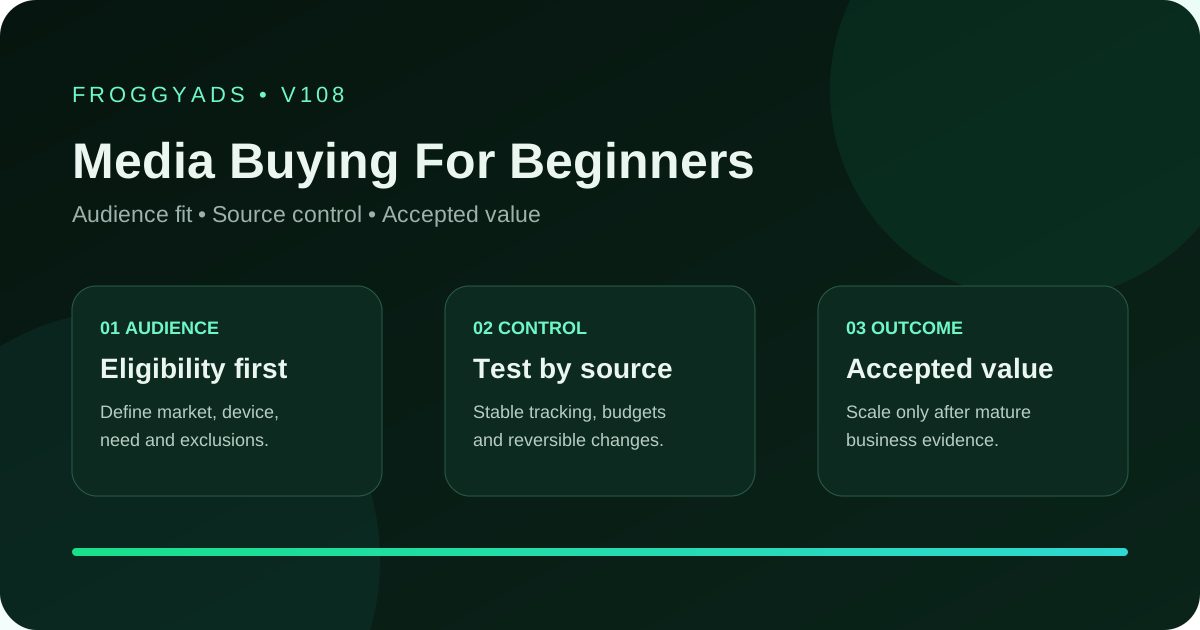
Understand the controls before funding delivery
Media buying is the purchase of advertising exposure to reach a business objective. A campaign groups the settings for that effort. The creative is the message or material shown; the destination is the page or route the visitor reaches. A source describes the supply behind delivery at the level the platform can identify. These terms belong together, but they are not interchangeable. Changing a destination can alter the customer experience even when the buying settings stay the same. Start by naming each part of the campaign you intend to run.
A bid concerns the price or auction setting for the applicable buying event. A budget controls the allocation of spending; account funding supplies the balance from which campaigns may consume media. CPC means cost per click and CPM means cost per thousand impressions. The applicable charge and available options depend on the campaign. CPA describes cost per acquisition or other declared action when calculated from results; that does not establish CPA billing. Check what is being charged before comparing it with what your business accepts.
Choose FroggyAds self-serve advertising when you have a prepared offer and want direct control of an understandable first paid test. We give you supported format, targeting, bid, budget and source controls. You choose a truthful introduction and a usable destination, then inspect available delivery evidence beside your customer records. That division of work helps you learn the actual buying decisions instead of treating traffic volume as a substitute for customer value.
Separate delivery, customer action and acceptance
An impression records an ad delivery under the platform's definition. A click records a response, while an analytics session uses the destination's own measurement rules. A submitted form or order is another event again. Your business may accept it only after eligibility, duplication, payment or another relevant check. A report showing many clicks is not automatically wrong when fewer customers are accepted; the figures describe different stages. Define the intended outcome before spending so you know which gap needs an explanation.
For a lead campaign, keep submitted, pending, accepted and rejected records distinct. For an affiliate offer, programme approval may determine whether an action becomes a payable commission. For a store, a recorded transaction can require the normal business review. Use the status that matches the decision rather than selecting whichever total looks best. Keep the available campaign context at the scope your reporting supports; not every setup can identify an individual customer's source.
| Decision area | What to define | Evidence before scale |
|---|---|---|
| Audience boundary | The real customer condition the offer serves, including permitted market and device route. | A suitable visitor can understand and use the offer. |
| Format and source | A supported ad format and one clear creative promise. | The message and campaign version are identifiable. |
| Destination | A usable destination that explains the promise and intended action. | A permitted known test verifies success, failure and confirmation. |
| Accepted outcome | The business-approved action and its actual acceptance rule. | Submitted, pending and rejected states are not silently included. |
| Decision range | An affordable limit and a reason to pause, repair or review again. | The next decision follows the stated evidence, not the click total alone. |
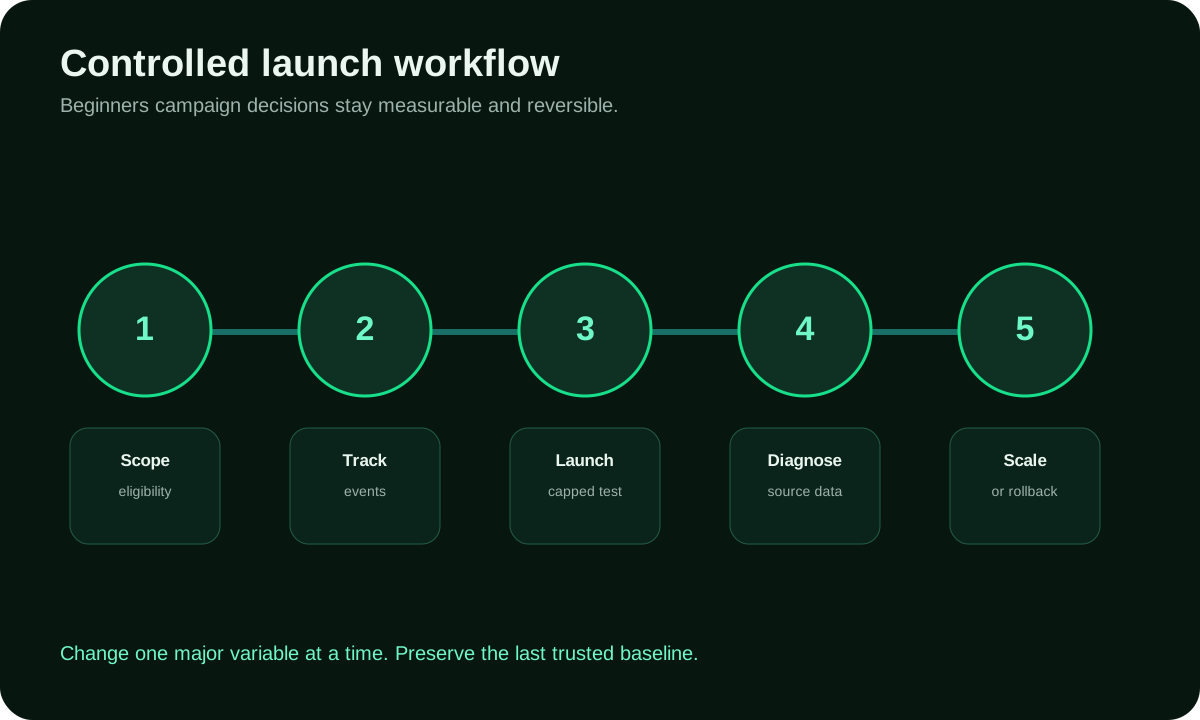
State two boundaries before launch. The first is the money you can afford to spend on the question; the second is a fault that requires a pause, such as an unavailable offer or a broken action. A weak but still immature result is different from a known broken route. Record the normal response and acceptance delay so you do not stop a source simply because the customer record has not finished its journey.