What does a small website need from paid media?
A small website needs paid media to introduce a serviceable offer to eligible people without creating an unmanageable programme. It might be a specialist store with a few available products, a service site with limited appointment capacity or a niche membership supported by a small team. Choose the customer action that matters to that model. A qualified enquiry, an accepted purchase and a confirmed membership are different outcomes; the campaign should not blur them into one traffic goal.
An established niche site may already know which offer converts and which customers it can serve. Use that history where it remains relevant, while checking that the offer, destination and reporting have not changed. If the site has no dependable visitor history, begin by proving the customer route. Small scope does not mean every page is unfinished or every campaign must start without a baseline.
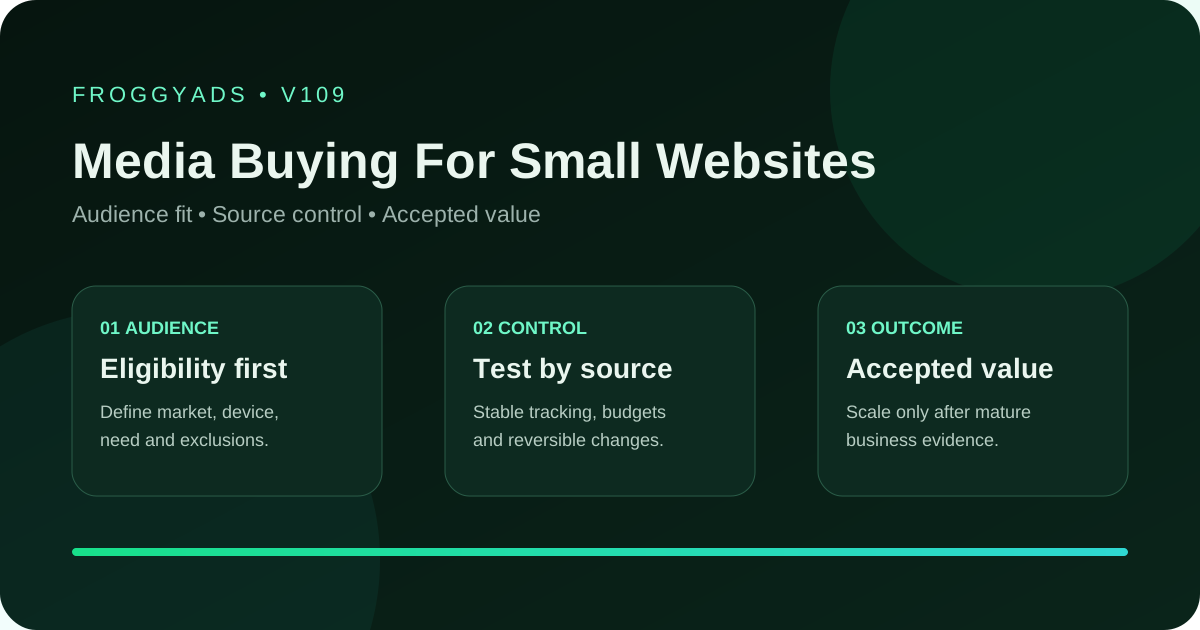
Choose FroggyAds self-serve advertising when you want a direct paid route with supported format, targeting, bid, budget and source controls. We help you keep a defined media allocation separate so you can inspect the response and act on the evidence. Start with a useful offer you can explain and fulfil, then choose the campaign conditions your team can operate consistently.
Fund one serviceable offer before splitting the media budget
Do not divide a modest allocation across every product, country and creative idea at once. Pick the offer with a clear customer, a working destination and enough available value to justify the test. Keep the other options as future questions. A small site gains more from an interpretable comparison than from a campaign structure that looks comprehensive but leaves every source and message too thin to assess.
Concentration does not require ignoring important differences. Separate an ineligible market, a different customer action or a route the site cannot support. Combine only conditions that make sense for the same offer and evidence basis. Keep creative preparation, reporting and customer handling in the workload estimate; the media bill is only one part of what a new campaign asks the team to manage.
| Decision area | What to define | Evidence before scale |
|---|---|---|
| Audience boundary | The eligible customer and the product, service or membership the site can actually supply. | Availability, location and any real qualification remain clear. |
| Format and source | A supported format with a message the team can prepare and maintain well. | The creative promise and campaign conditions are identifiable. |
| Destination | A useful offer page with visible terms and a working customer action. | The intended journey works for the selected customer and device route. |
| Accepted outcome | One genuine business-approved response, with pending and rejected records separate. | The reason for acceptance and the normal time needed to confirm it. |
| Decision range | An affordable media limit, a customer-capacity boundary and a reason for the next action. | The next allocation does not depend on an unverified forecast. |
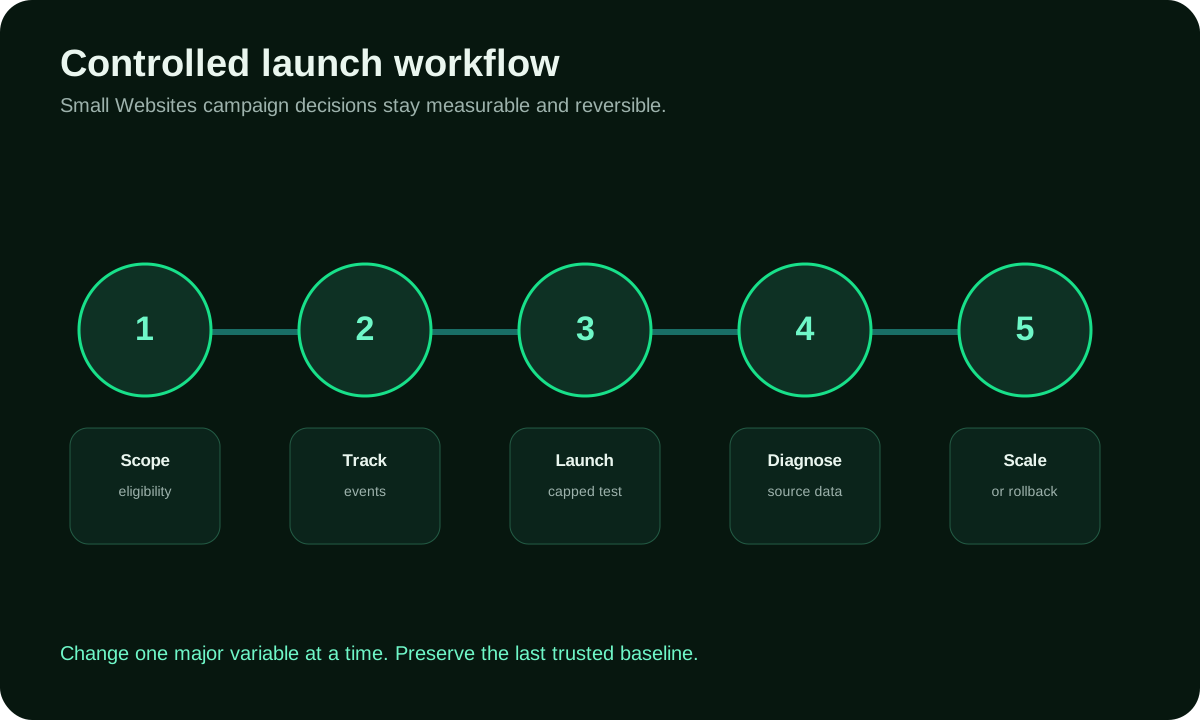
Set a spending boundary that the business can absorb if the test fails. State what observation would justify more delivery and what would require an immediate pause. For a small service site, the capacity to answer qualified enquiries may matter as much as the price of generating them. For a store, available stock or fulfilment capacity may limit the next promotion. Keep those constraints visible before interpreting additional response as a reason to keep buying.