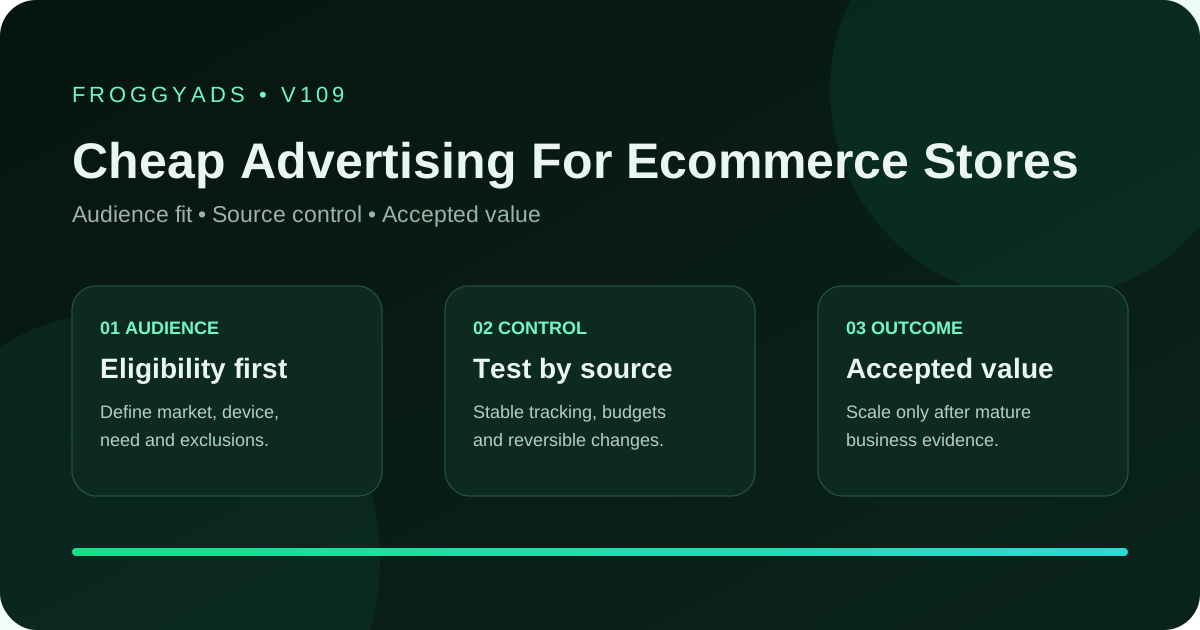
What cheap advertising for ecommerce stores means
Cheap Advertising For Ecommerce Stores begins with an operating boundary. Define ecommerce stores with lawful products, supported delivery markets, accurate pricing and enough order data to distinguish accepted revenue from raw clicks, the market, device, permitted formats, destination and a completed and retained order or another store event defined before launch. The destination should be a fast product, collection or offer page with accurate stock, price, shipping, returns, trust information and reliable purchase tracking. Broad delivery is not useful when the user cannot lawfully or practically complete the offer.
This guide focuses on cheap advertising decisions for ecommerce stores. Related ad-format pages explain creative execution, traffic-source pages explain source selection, platform pages explain operational controls and paid-traffic pages explain acquisition. Use the most specific resource for the decision being made.
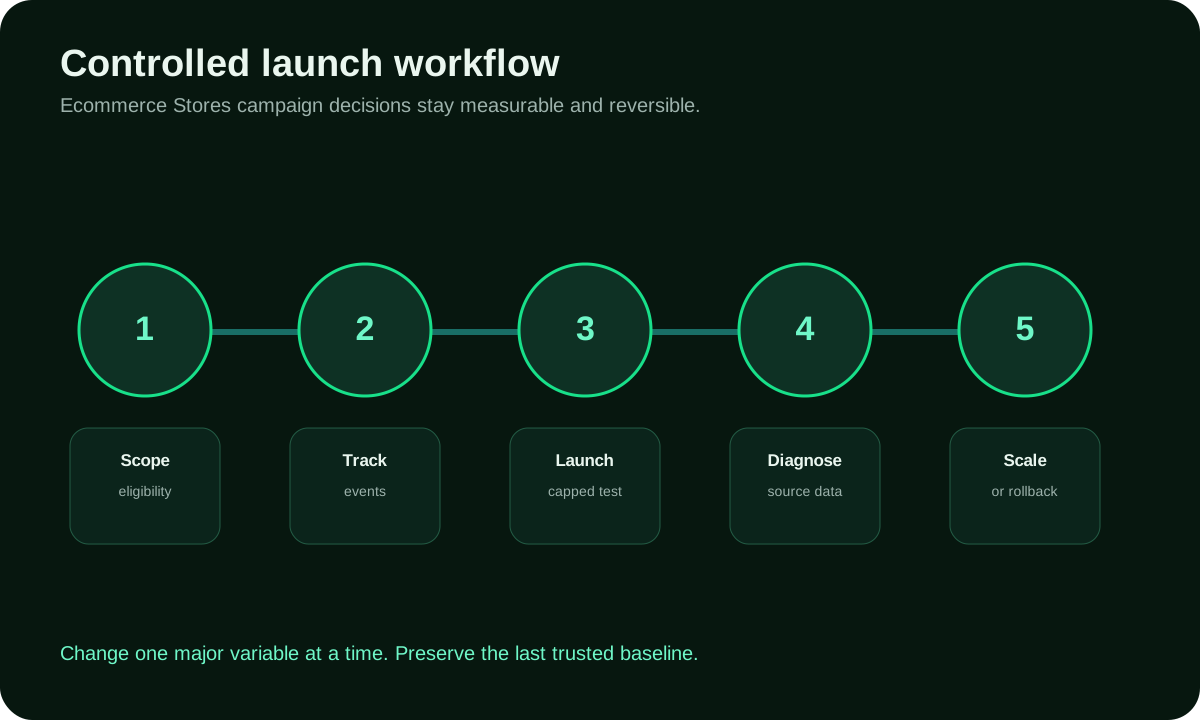
The main avoidable risk is optimizing to add-to-cart or cheap clicks while ignoring order acceptance, refunds, shipping constraints and margin. Put the risk, responsible owner, evidence threshold and pause signal into the brief before launch. A written stop condition is more useful than a general promise to monitor quality.
A defensible cheap advertising framework for ecommerce stores
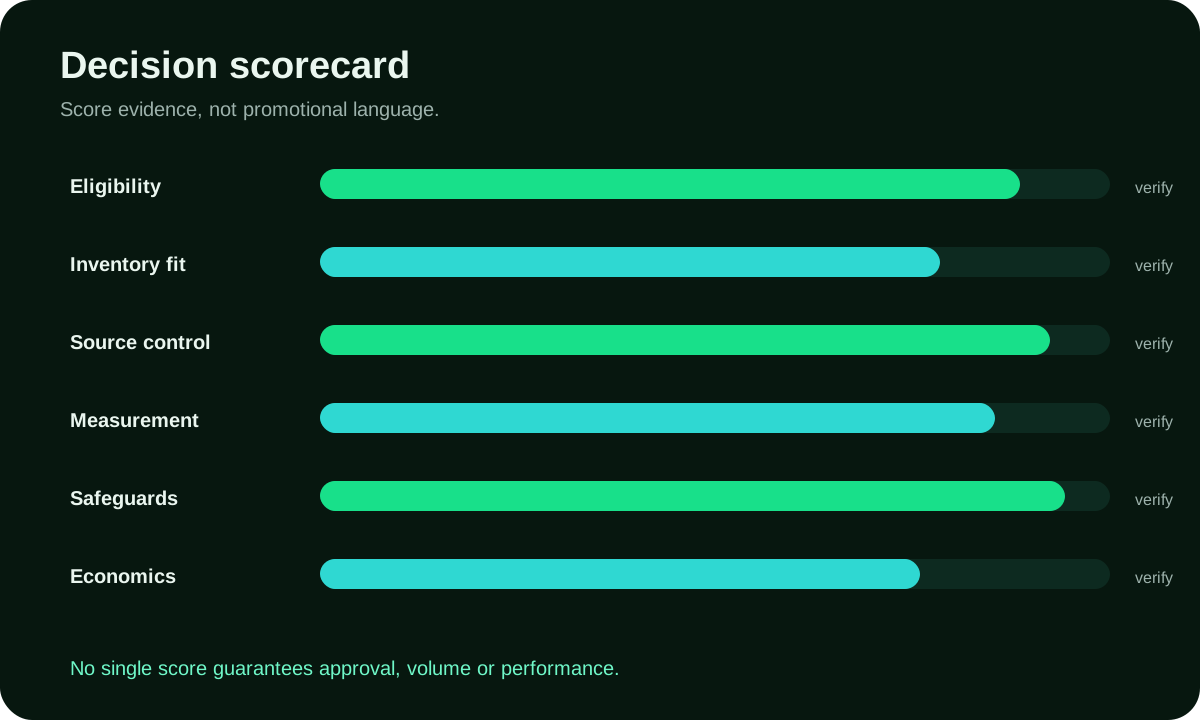
Evaluate cheap advertising for ecommerce stores through eligibility, audience, message, format, source, destination, measurement, safeguards and economics. The plan should support cost-controlled customer acquisition that connects ad delivery to completed, retained orders rather than visits alone and connect delivery to a completed and retained order or another store event defined before launch, not attention alone.
For Cheap Advertising For Ecommerce Stores, build the test through six connected layers: eligibility, promise, format, destination, measurement and safeguards; attention alone is not success when the wrong user, broken continuity or an unaccepted event drives the metric.
| Decision area | What to define | Evidence before scale |
|---|---|---|
| Headline cost | Bid, click or impression rate. | Do not treat the lowest rate as the final cost. |
| Learning cost | Spend needed for a reliable source decision. | Include delay, rejected events and fragmented tests. |
| Destination cost | A fast product, collection or offer page with accurate stock, price, shipping, returns, trust information and reliable purchase tracking. | Include page speed, tracking and conversion friction. |
| Accepted value | A completed and retained order or another store event defined before launch. | Measure only validated outcomes after exclusions mature. |
| Operational cost | Time required for setup, review and optimization. | Prefer controls that make decisions reproducible. |
Document the decision range before launch. Name the maximum spend without a completed and retained order or another store event defined before launch, the minimum evidence required before a source exclusion, the delay window that must pass, and the economics required before a budget increase. These rules reduce emotional optimization and make the same evidence understandable to media buyers, analysts and account owners.