What does it mean to buy mobile game traffic?
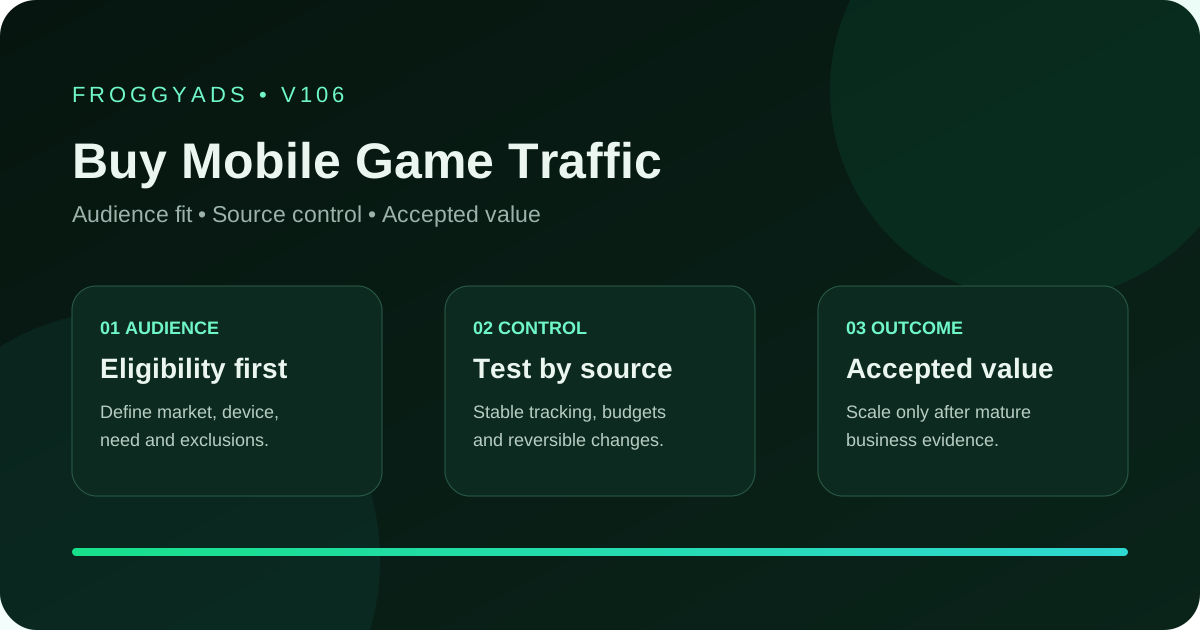
It means purchasing advertising delivery for a mobile game and measuring the players who reach the intended store or web route. A useful campaign connects each source to an accepted event, such as a validated install, tutorial completion or later player milestone.
Which players should a mobile game campaign target first?
Start with players who can install and use the current build. Align country, language, device and operating system choices with the game, store listing and commercial terms. Add broader audiences only after the first eligible cell produces interpretable evidence.
Which FroggyAds formats can promote a mobile game?
FroggyAds offers Push, Native, Display, Pop, Video and Interstitial options. Choose a format that can communicate the game's real appeal. Keep each format in a separate campaign cell so its player quality and acquisition cost remain visible.
Should mobile game traffic go to an app store or a landing page?
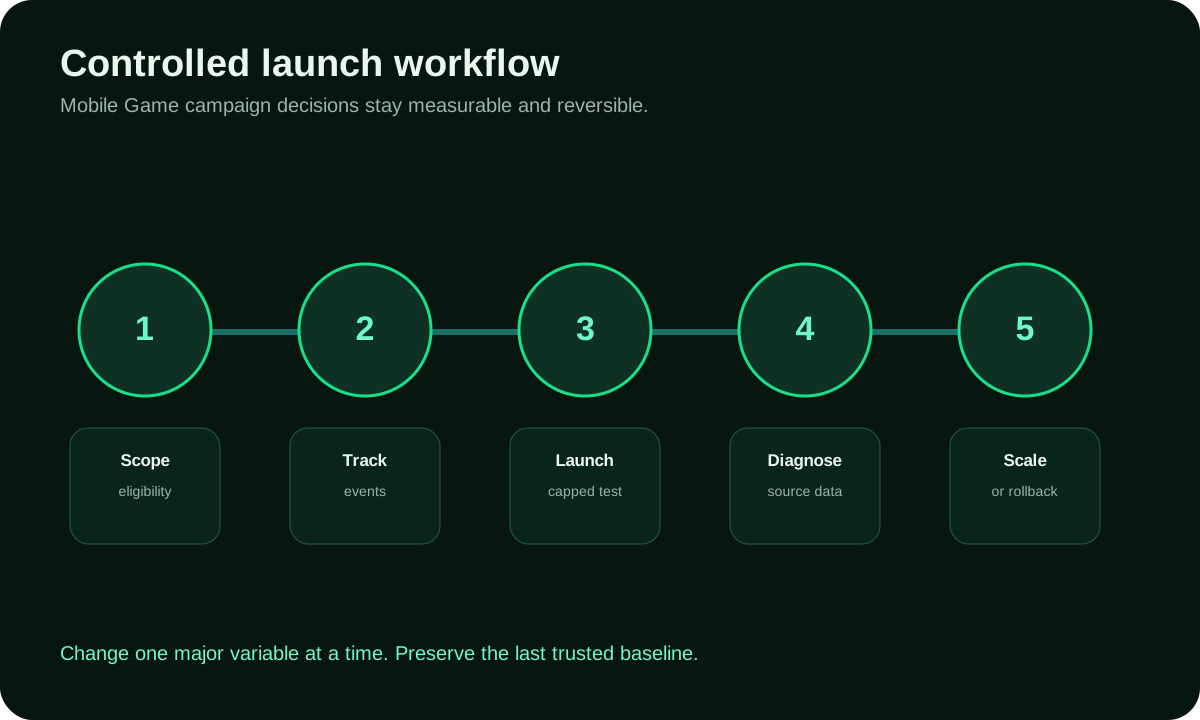
Use the shortest eligible route that preserves the ad promise. A store listing can support direct installation. A landing page can explain gameplay, device needs or offer terms before the store step. Test every redirect and preserve campaign identifiers through the route where possible.
Is an app install enough to judge traffic quality?
An install confirms distribution, but it may not confirm useful player value. Add a validated post-install event that fits the game. Examples include tutorial completion, a first meaningful session milestone or return activity measured after the agreed delay.
How should advertisers compare mobile game sources?
Compare mature cohorts with the same app build, market, device rules, creative promise and acceptance window. Review spend, validated installs and the chosen post-install event by source. Check tracking and store conversion before treating a weak cohort as a traffic-quality problem.
How can I calculate cost per qualified player?
Divide campaign spend by players who complete the defined qualifying event. If a test spends USD 420 and 21 players complete that event, the cost is USD 20. This is a calculation example, not a FroggyAds result or recommended budget.
How much should the first mobile game campaign spend?
Set a capped learning budget from the game's allowable acquisition cost and expected event delay. Give each tested cell enough room for a fair review. The documented $50 minimum deposit funds the account; it is separate from the allocation needed for one campaign decision.
When is a mobile game campaign ready to scale?
Scale after tracking is stable and several mature cohorts meet the written player-value and cost rules. Increase one material dimension at a time. Watch the newly added sources, markets or devices separately from the original reference cell.
Does buying mobile game traffic guarantee players or revenue?
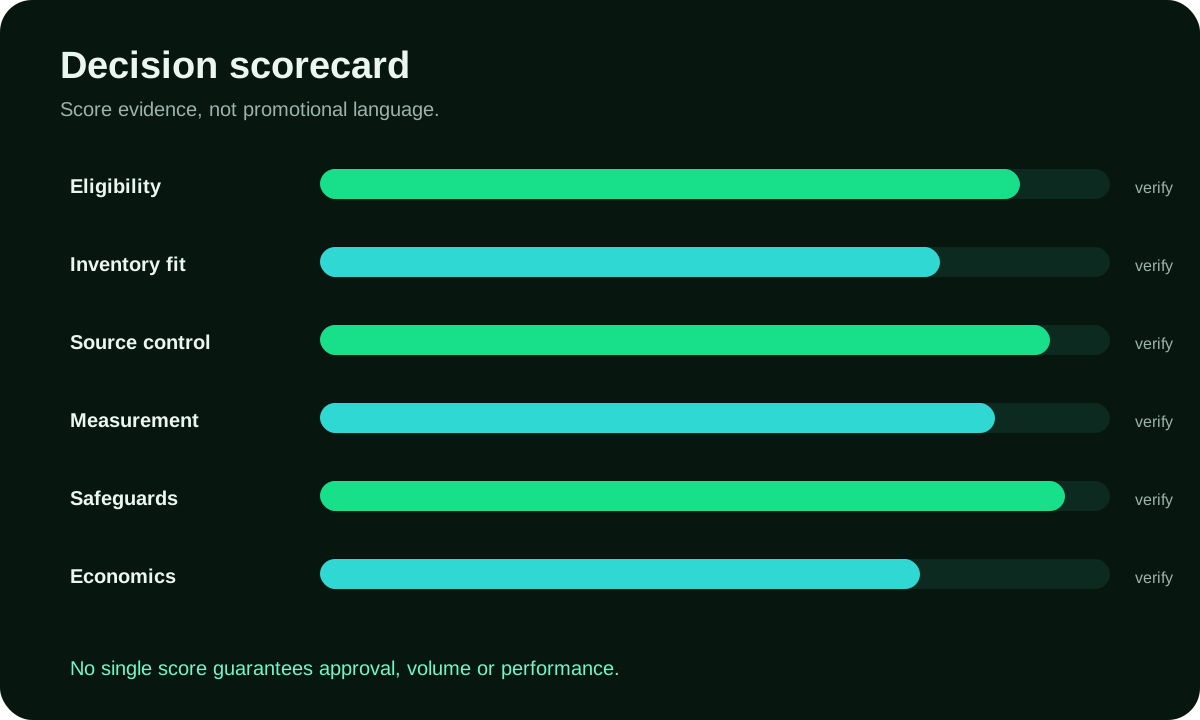
No. FroggyAds provides advertising inventory and campaign controls. Outcomes depend on the game, market, creative, store route, targeting, bid, source mix, tracking and player experience. Paid traffic does not guarantee retention, purchases, revenue or profit.