What betting advertising means
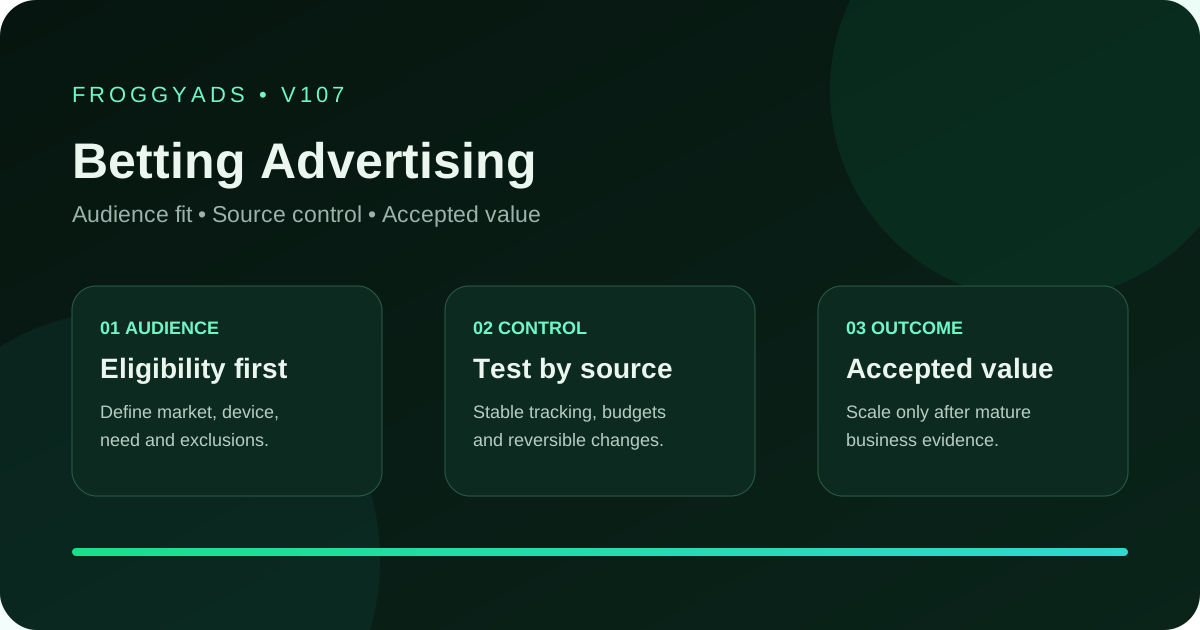
Betting Advertising begins with a precise operating boundary. Define adults who may lawfully use the approved betting product in the targeted jurisdiction, the market, device, permitted formats, truthful message, destination and an age-verified registration, accepted first deposit or qualified active account. The destination should be a licensed betting page with age, market, terms, odds context and responsible-gambling information. Broad delivery is not useful when the user cannot lawfully or practically complete the offer.
This page owns the overall advertising strategy for betting. Ads pages focus on creative execution, traffic pages focus on acquisition, traffic-source pages compare source types, and network pages evaluate providers. The boundary prevents one page from pretending to answer every stage of the decision.
The main avoidable risk is jurisdiction mismatch, hidden terms, exaggerated winning claims or weak age verification. Put that risk, the responsible owner and the pause signal into the brief before launch. A written stop condition is more useful than a general promise to monitor quality.
A responsible betting advertising framework
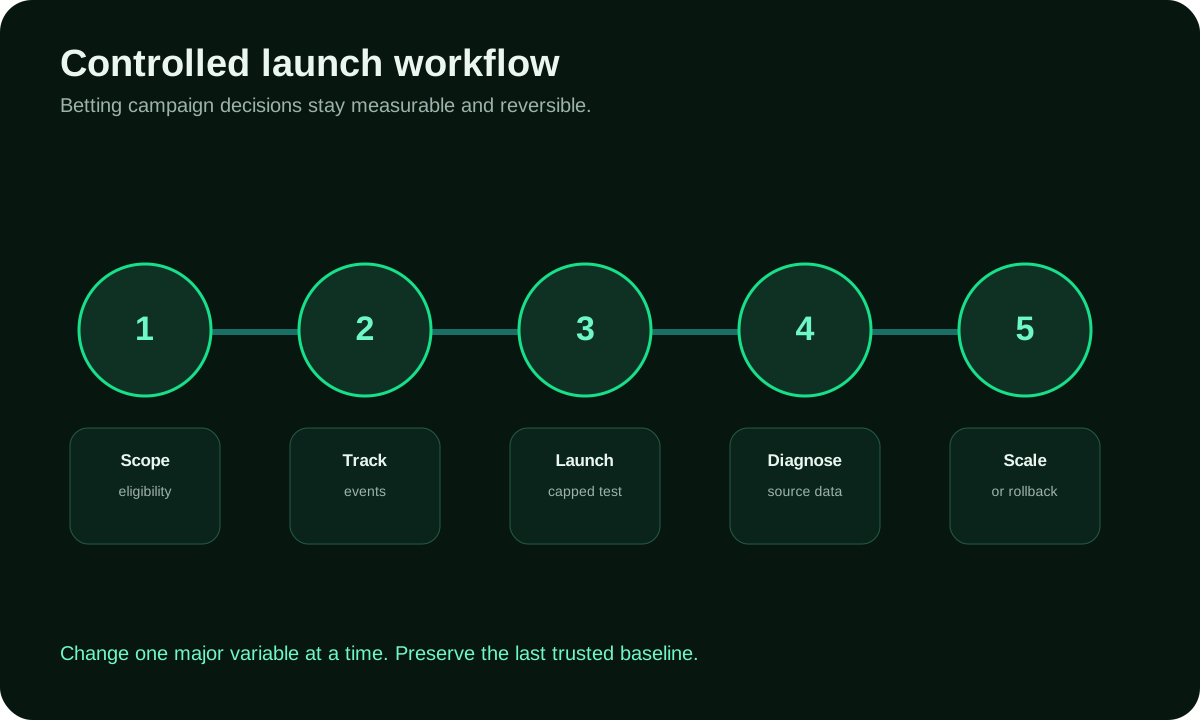
Plan betting advertising through eligibility, audience, message, format, source, destination, measurement and safeguards. The campaign should support clear market, product and account eligibility before any promotional promise and connect delivery to an age-verified registration, accepted first deposit or qualified active account, not attention alone.
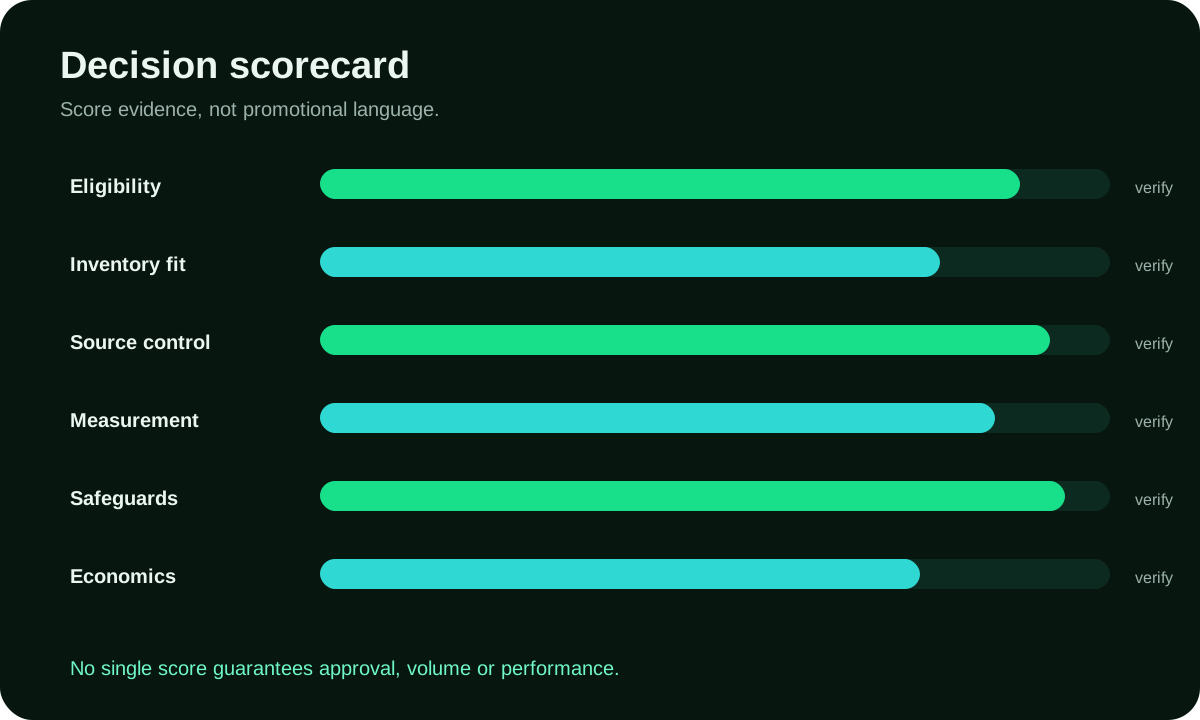
A buyer evaluating Betting Advertising can use A responsible betting advertising framework to make the page actionable: identify the condition, document the evidence, and define the response. The evidence record should make build, through, connected, layers, eligibility and promise visible instead of hiding them inside a blended score or an unexplained recommendation. If the section exposes a measurement gap, repair that gap before changing the offer, creative and targeting simultaneously. A controlled FroggyAds test can turn this section into measurable evidence: keep the conversion definition stable, preserve source identifiers and compare marginal performance before expanding.
| Traffic decision | What to define | Evidence before scale |
|---|---|---|
| Audience | adults who may lawfully use the approved betting product in the targeted jurisdiction | Qualified engagement and accepted-event evidence by market and device. |
| Format | native, display, push and approved pop traffic | Separate source and format economics rather than a blended average. |
| Destination | a licensed betting page with age, market, terms, odds context and responsible-gambling information | Fast load, message continuity, complete disclosures and event tracking. |
| Outcome | an age-verified registration, accepted first deposit or qualified active account | Accepted value after delay, rejection and refund signals mature. |
| Safeguards | license and market checks, age gating, truthful promotional terms, responsible-gambling controls and exclusion rules | Documented review, exclusion and pause conditions. |
When using Betting Advertising, apply this rule only to the conditions and decision described on this page. Document the decision range before launch. Name the maximum spend without an age-verified registration, accepted first deposit or qualified active account, the minimum evidence required before a source exclusion, the delay window that must pass, and the economics required before a budget increase. These rules reduce emotional optimization and make the same evidence understandable to media buyers, analysts and account owners.