What best ad network for sports betting means
Best Ad Network For Sports Betting starts with a precise operating boundary. Name the market, device, audience, offer, destination and accepted event before buying delivery. For sports betting, the relevant audience is adults in licensed markets with a lawful interest in the promoted sport and betting product. The destination should be a licensed-market sports betting page with age, terms, market availability and responsible-gambling information. A broad keyword is useful for navigation, but the campaign must be expressed as testable settings and a measurable business result.
This page owns the network selection decision for sports betting. Related pages cover creative execution, traffic-source strategy, provider evaluation or wider vertical planning. Keeping those decisions separate improves user clarity and helps search and answer engines understand which page should answer each question.
The main avoidable risk is outdated event claims, jurisdiction mismatch, hidden bonus conditions or irresponsible wagering language. Put this risk into the brief before launch. Assign an owner, define the evidence that triggers a pause and preserve a record of the last trusted configuration. A written stop condition is more useful than a general intention to monitor quality.
A defensible network evaluation framework
Provider selection should begin with a written operating brief, not a popularity list. Shortlist only networks that can explain where the traffic comes from, which controls are available, how conversion tracking works and what the advertiser must verify before launch. For sports betting, the campaign should support timely but responsible information about an eligible market, event or product. The accepted commercial event is an age-verified registration, accepted depositor or active qualified account, not a click or impression by itself.
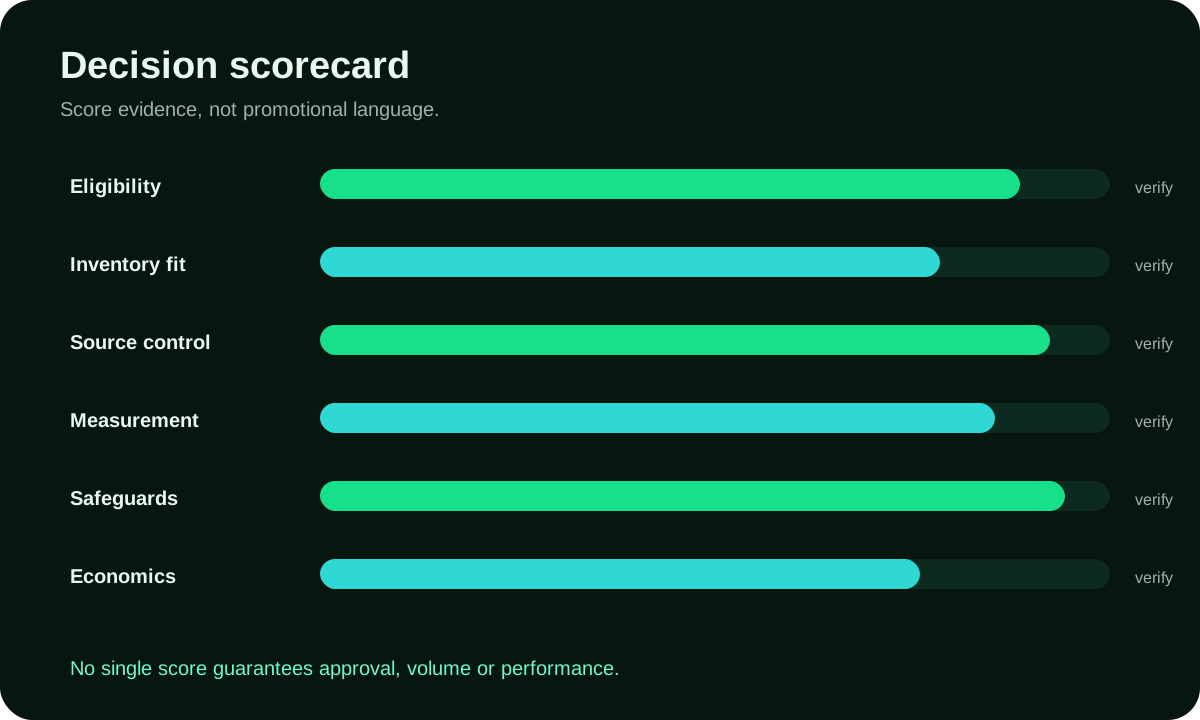
For Best Ad Network For Sports Betting, build the test through six connected layers: eligibility, promise, format, destination, measurement and safeguards; attention alone is not success when the wrong user, broken continuity or an unaccepted event drives the metric.
| Network model | Potential fit | Verification needed |
|---|---|---|
| Multi-format self-serve network | Useful when a buyer needs several formats, source controls and one reporting workflow. | Verify eligible sports betting inventory, source detail, tracking and support. |
| Specialist vertical network | May offer concentrated inventory or account experience for the niche. | Verify scale, policy, traffic origin, measurement and whether specialization is current. |
| Native discovery platform | Useful when the message benefits from editorial-style context and a longer explanation. | Verify minimum budget, policy eligibility, placement transparency and landing-page requirements. |
| Large audience platform | Useful for broad discovery, creative testing or first-party audience signals. | Verify policy fit, account stability, tracking access and the budget required for learning. |
| Direct publisher or curated deal | Useful when a specific audience and placement relationship is more important than broad scale. | Verify inventory authenticity, measurement, pricing, delivery and contract terms. |
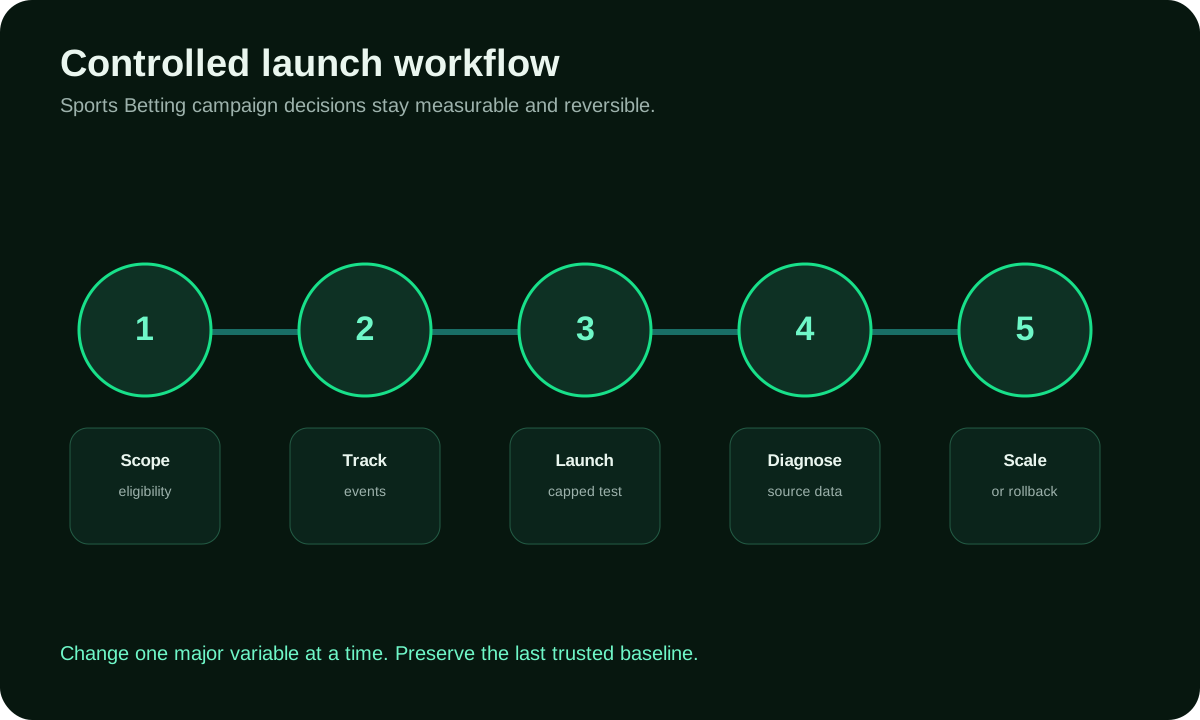
For Best Ad Network For Sports Betting, treat this as a page-specific operating check rather than a universal benchmark. Document the decision range before launch. Name the maximum spend without an age-verified registration, accepted depositor or active qualified account, the minimum evidence required before a source exclusion, the delay window that must pass, and the economics required before a budget increase. These rules reduce emotional optimization and make the same evidence understandable to media buyers, analysts and account owners.