Which customer outcome should guide efforts to get website traffic?
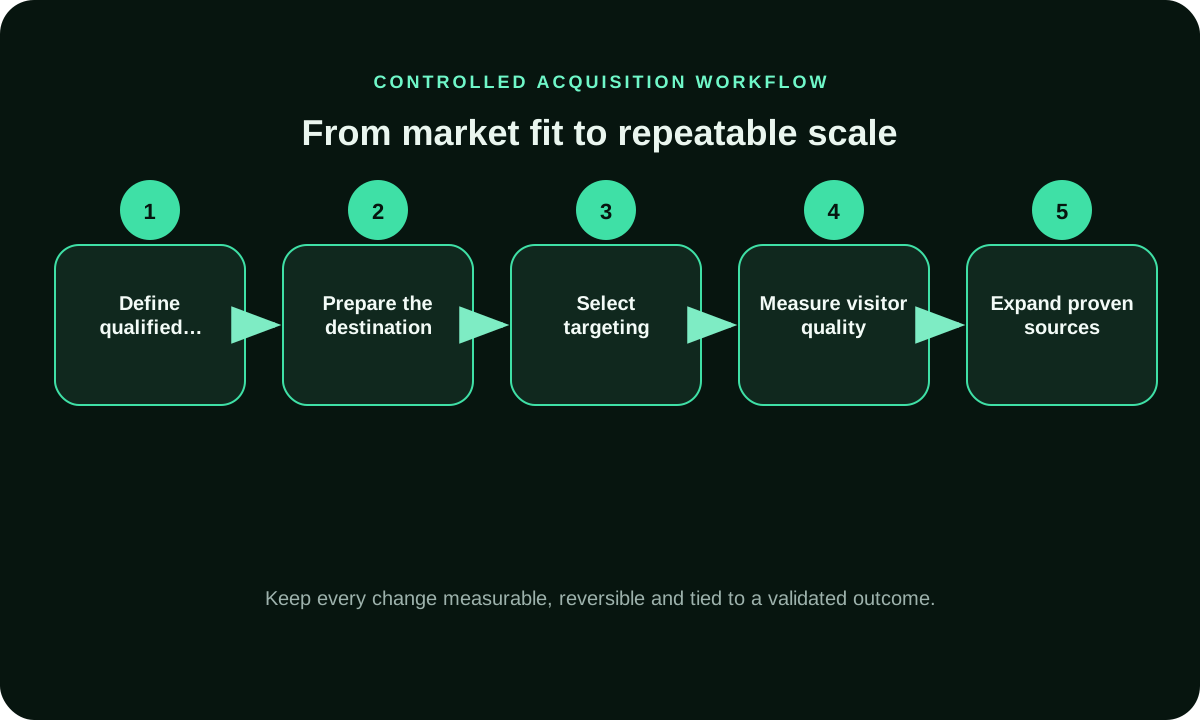
The outcome should match a useful customer task and an accepted business result, such as a qualified enquiry or completed purchase. Visitor volume can grow without improving either customer progress or commercial value.
How can businesses identify the audience most likely to need the site?
Customer conversations, search behaviour, sales records, service questions and product usage can reveal a focused need and context. Broad demographic assumptions rarely explain why someone should visit or act.
What website readiness checks should precede additional traffic acquisition?
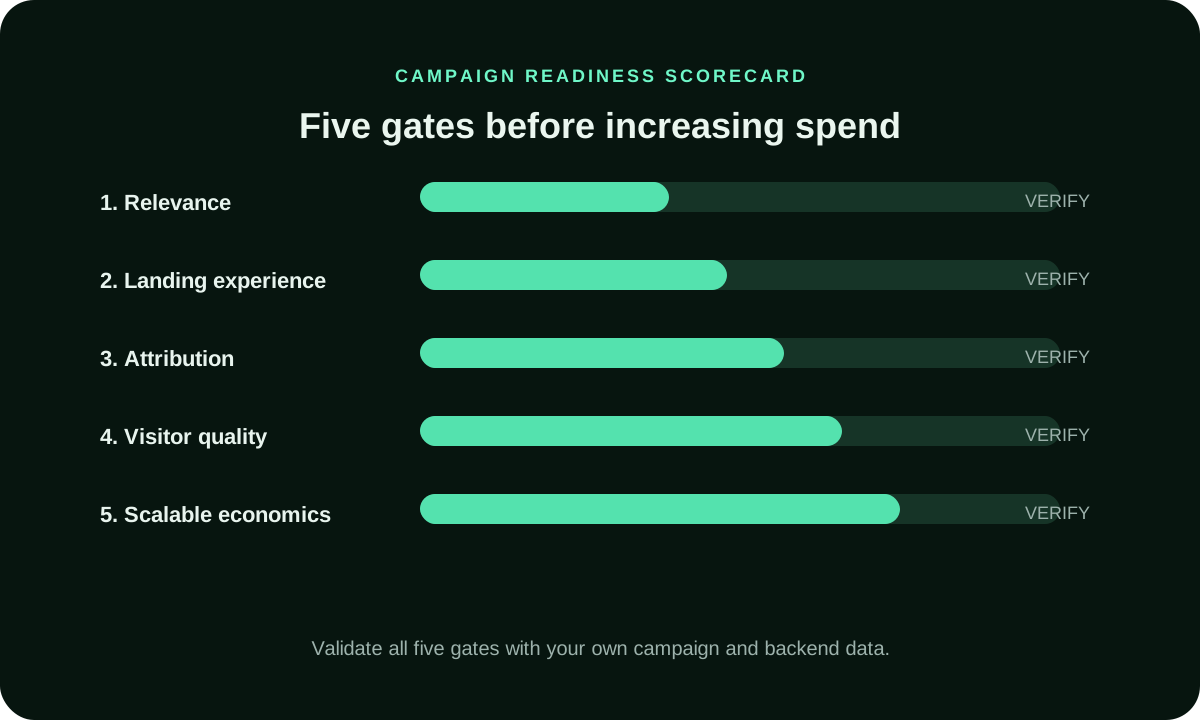
Relevant message, accurate offer, representative device performance, clear terms, accessible navigation, functioning forms, support and measurement should be verified. More traffic magnifies existing destination problems as well as strengths.
When does useful organic content become a sustainable traffic source?
Organic content becomes sustainable when it answers recurring customer questions accurately, earns discovery, receives maintenance and leads to a suitable next step. Publication volume alone does not create durable demand.
Which referral partnerships can bring relevant website visitors responsibly?
Suitable partners serve a related audience, explain the recommendation honestly, use approved claims, disclose material relationships and permit source verification. Relevance and trust matter more than the size of a partner list.
How should paid traffic tests be bounded before scaling spend?
A paid test can define audience, inventory, creative, destination, daily exposure, accepted cost, review timing and stop conditions. Changing too many factors together makes the result expensive and difficult to interpret.
Why compare traffic quality instead of relying on visit totals?
Source, geography, device, engagement sequence, invalid activity, lead status and accepted value reveal whether visits fit the intended purpose. Totals can hide automated, accidental or commercially irrelevant sessions.
What measurement definition connects website sessions to business records?
Event meaning, source rules, attribution window, identifiers, duplicate handling, cancellations, accepted outcome and value should be documented. Analytics events need reconciliation with operational records where practical.
At what stage should a website diversify its traffic sources?
Diversification is easier to evaluate after the offer, destination, measurement and follow-up work reliably for an initial source. Adding channels can reduce concentration risk but also multiply unresolved uncertainty.
Which warning signs justify pausing a website traffic source?
Unverifiable origins, geographic mismatch, invalid activity, misleading claims, broken experiences, unacceptable outcomes or unresolved data concerns justify a pause. A restart should depend on documented repair evidence.