What is website promotion?
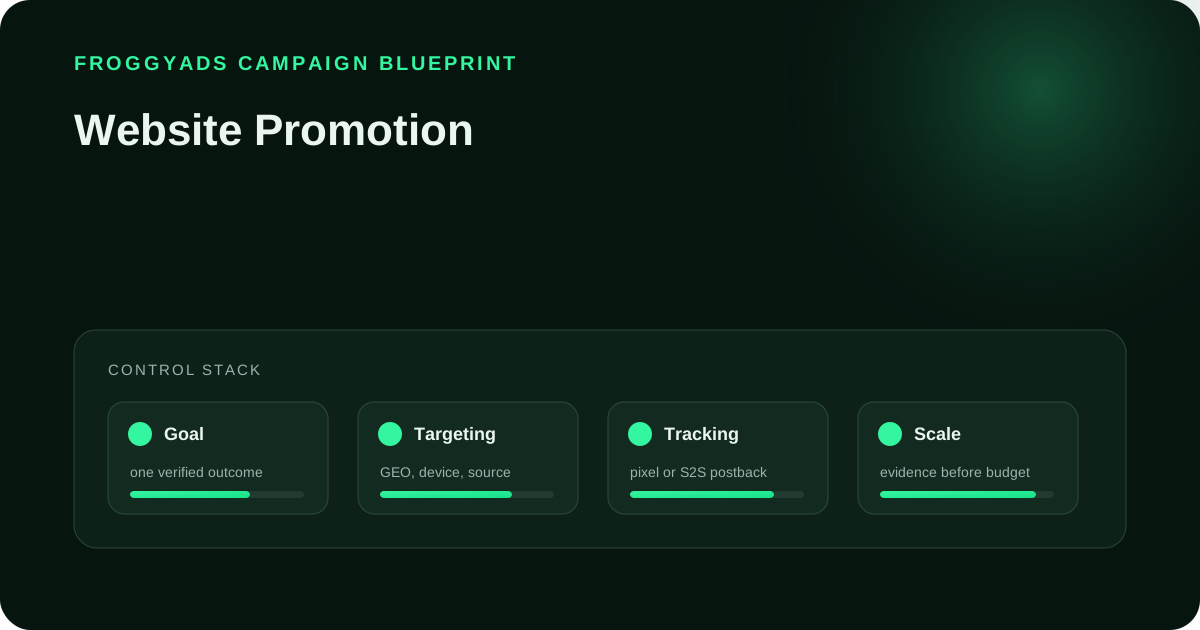
Within the website promotion operating plan, checkpoint 11 is straightforward: Website Promotion is the structured use of paid media to bring qualified visitors to a website and convert those visits into measurable business actions. A useful campaign connects audience, format, bid, creative, destination and conversion tracking in one testable plan. FroggyAds gives advertisers self-serve access to multiple formats, 20B+ daily impressions through 750+ SSP integrations and source-level controls for deciding what to keep, block or scale.
How should a first website promotion test be structured?
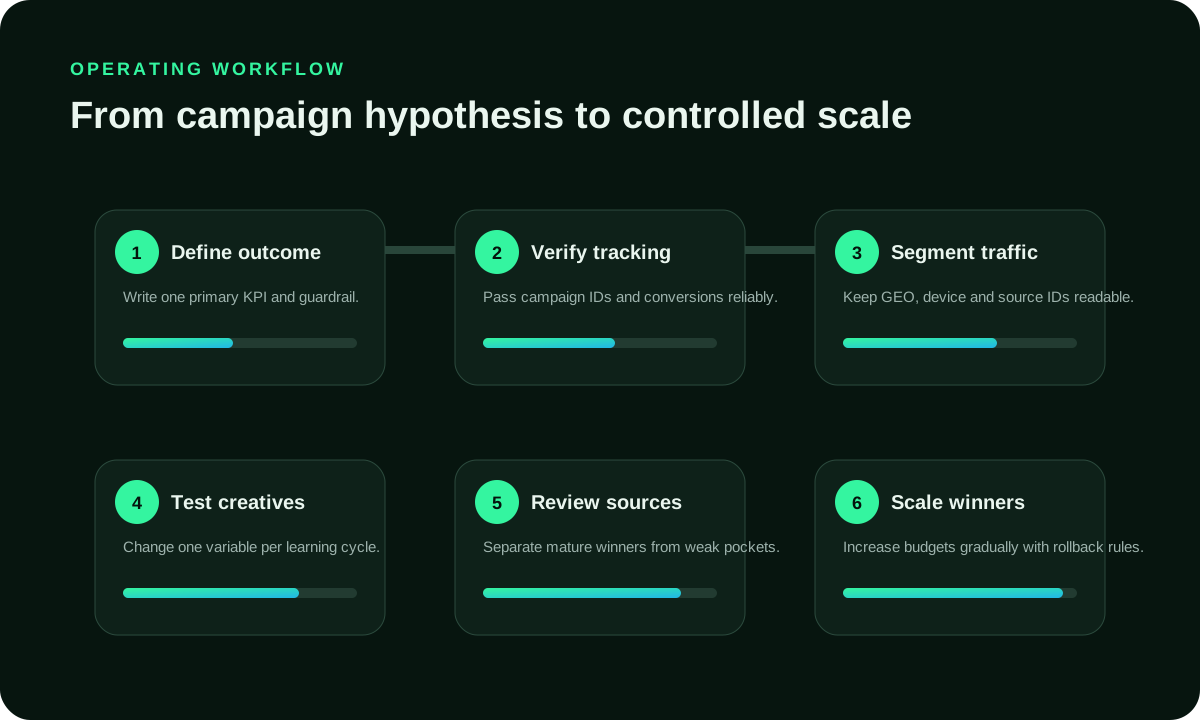
At checkpoint 12, a website promotion team should apply this rule: Choose one primary conversion, one or two GEO groups, a limited device set and a small creative matrix. Verify tracking before meaningful spend, then let conversions mature before judging source quality. The first test should answer a specific question rather than attempt maximum scale.
Which FroggyAds formats fit website promotion?
The website promotion evidence review reaches checkpoint 13 here: Common options include Native Ads, Push Ads, Display Ads and Pop Ads. The choice depends on the amount of explanation required, the destination, the target device and whether the campaign values broad reach, immediate response or contextual attention.
How do I measure traffic quality?
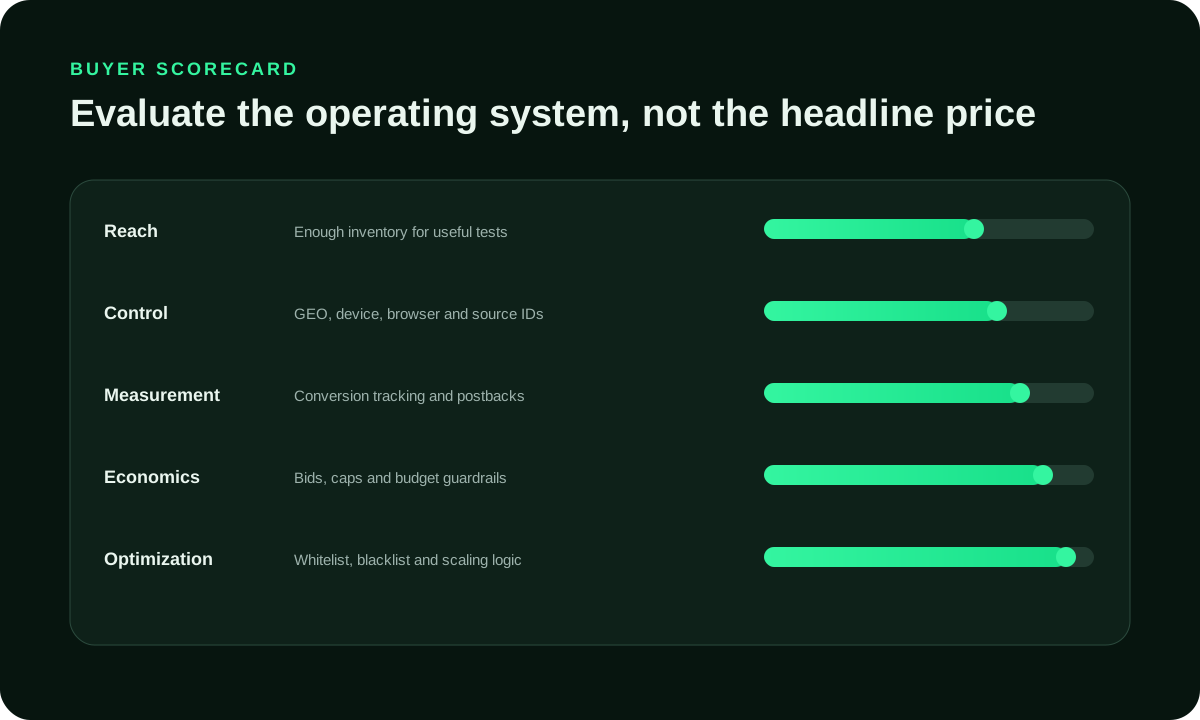
For checkpoint 14 in this website promotion workflow, use this standard: Track more than clicks. Use qualified-session rate, conversion rate, cost per acquisition and revenue or lead value, inspect source-level results and compare early events with mature business outcomes. Quality is the relationship between cost and verified value, not a label applied to an impression in isolation.
What budget should I start with?
A disciplined website promotion program treats checkpoint 15 as follows: Use a bounded test budget tied to the expected conversion value and the amount of data required for a decision. FroggyAds has a $50 minimum deposit, while many advertisers choose a larger working budget so they can test more than one creative and source cohort. Never scale beyond an amount the business can evaluate responsibly.
How long should I wait before optimizing?
Checkpoint 16 connects website promotion execution to the next decision: Remove technical failures immediately, but allow normal conversions to mature inside the chosen attribution window. Review sources at consistent checkpoints and require enough clicks or spend to make the decision meaningful. Early zero-conversion data is not always sufficient evidence for a permanent exclusion.
Can I use server-to-server postbacks?
The measurement record for website promotion should capture checkpoint 17: Use the conversion method that fits the funnel. Server-to-server postbacks can improve reliability for supported flows, while browser pixels may be suitable for simpler events. Test the complete path and confirm that campaign, source and conversion identifiers are passed correctly before launch.
How do I keep a low-cost campaign from attracting poor traffic?
Before changing budget in a website promotion campaign, review checkpoint 18: Maintain targeting discipline, source IDs, conversion tracking and explicit stop rules. Do not broaden every variable at once. Buying inexpensive volume without source transparency or a defined conversion signal is the main failure mode, so make evidence visible before trying to make the campaign cheaper.
When is a whitelist appropriate?
The quality-control sequence for website promotion includes checkpoint 19: Build a whitelist after placements have accumulated enough mature conversion evidence. Keep a separate discovery campaign so the whitelist does not become static, and review whether winning sources continue to perform as bids, creatives and market conditions change.
Does FroggyAds guarantee campaign results?
At this stage of website promotion, checkpoint 20 keeps the test comparable: No advertising platform can guarantee a specific result. Outcomes depend on the offer, audience, market, creative, destination, bid, tracking, competition and optimization. FroggyAds provides self-serve traffic access and campaign controls; the advertiser remains responsible for the strategy and decisions.