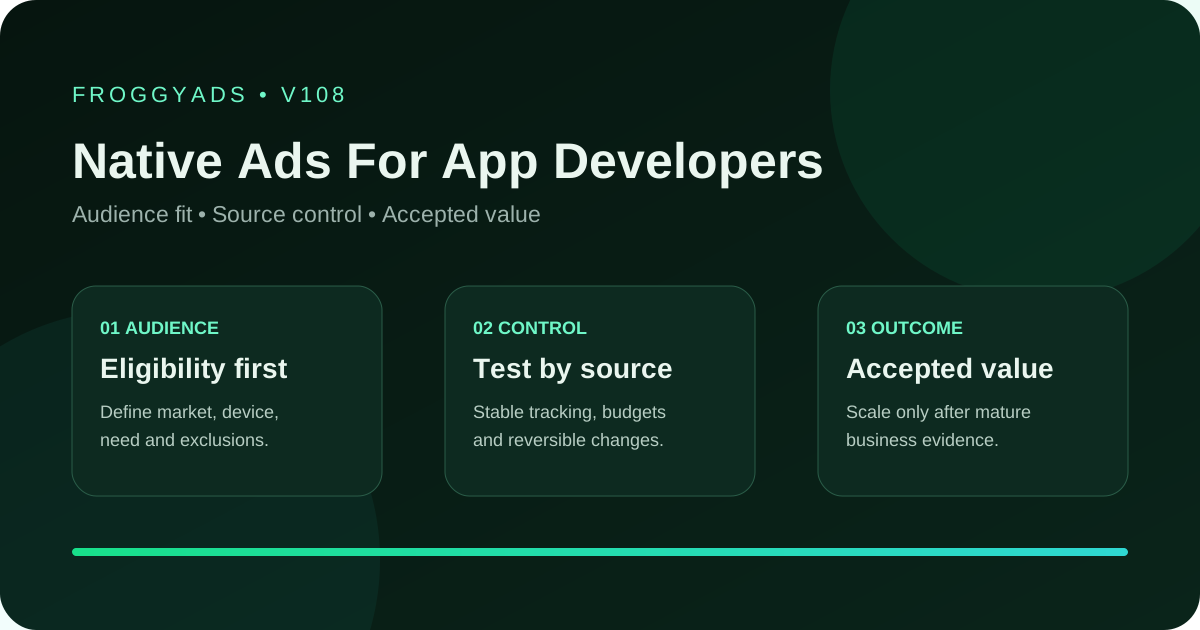
What native ads for app developers means
Native Ads For App Developers begins with an operating boundary. Define app developers promoting a lawful mobile or web application to users whose device, operating system, market and product need match the app, the market, device, permitted formats, destination and a verified install, first open, registration, activation, subscription or other accepted in-app event. The destination should be an app store, product page or deep-linked onboarding flow with accurate features, device compatibility, permissions, price and privacy information. Broad delivery is not useful when the user cannot lawfully or practically complete the offer.
This guide focuses on format-specific ads decisions for app developers. Related ad-format pages explain creative execution, traffic-source pages explain source selection, platform pages explain operational controls and paid-traffic pages explain acquisition. Use the most specific resource for the decision being made.
The main avoidable risk is optimizing to installs without activation, using misleading app previews or ignoring device, store and privacy requirements. Put the risk, responsible owner, evidence threshold and pause signal into the brief before launch. A written stop condition is more useful than a general promise to monitor quality.
A defensible format-specific ads framework for app developers
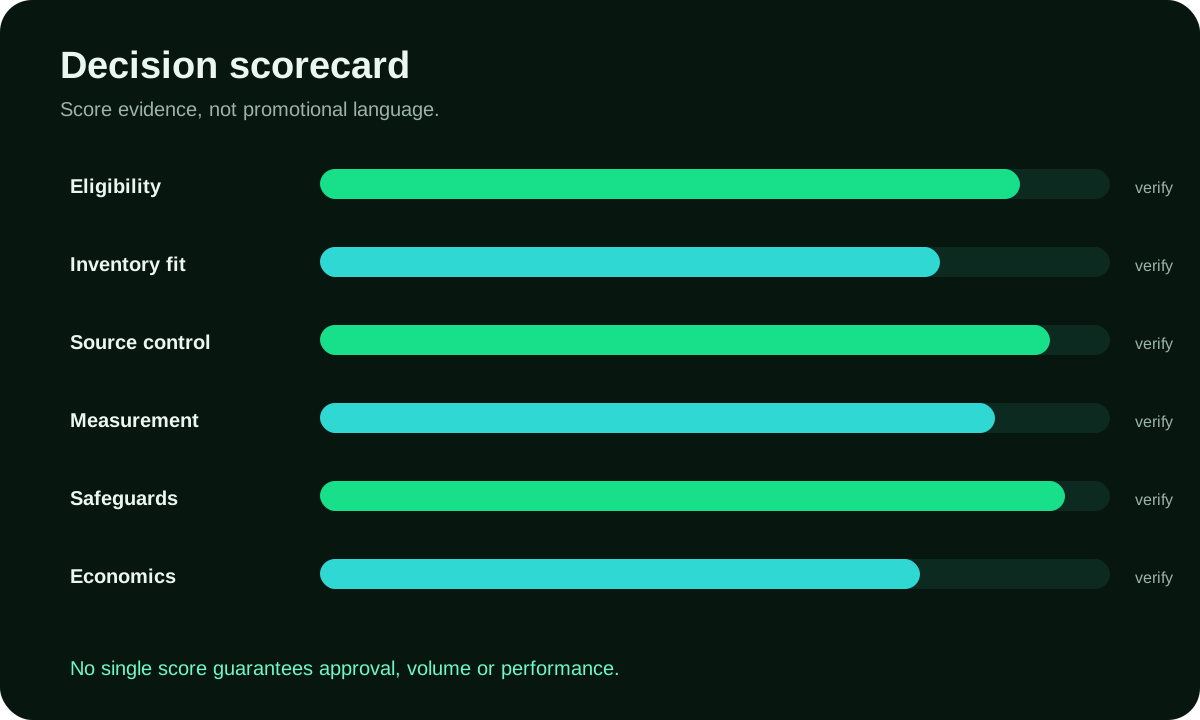
Evaluate native ads for app developers through eligibility, audience, message, format, source, destination, measurement, safeguards and economics. The plan should support measurable user acquisition that connects an ad impression to install, activation and retained product use and connect delivery to a verified install, first open, registration, activation, subscription or other accepted in-app event, not attention alone.
For Native Ads For App Developers, build the test through six connected layers: eligibility, promise, format, destination, measurement and safeguards; attention alone is not success when the wrong user, broken continuity or an unaccepted event drives the metric.
| Decision area | What to define | Evidence before scale |
|---|---|---|
| Format role | Native Ads should support one specific message and audience hypothesis. | Confirm the format fits the device context and destination. |
| Creative continuity | Use one primary promise and stable creative identifier. | Compare distinct concepts rather than cosmetic edits. |
| Source evidence | Preserve source, placement and campaign identifiers. | Wait for accepted events and conversion delay to mature. |
| Destination | An app store, product page or deep-linked onboarding flow with accurate features, device compatibility, permissions, price and privacy information. | Verify speed, compatibility, terms and event tracking. |
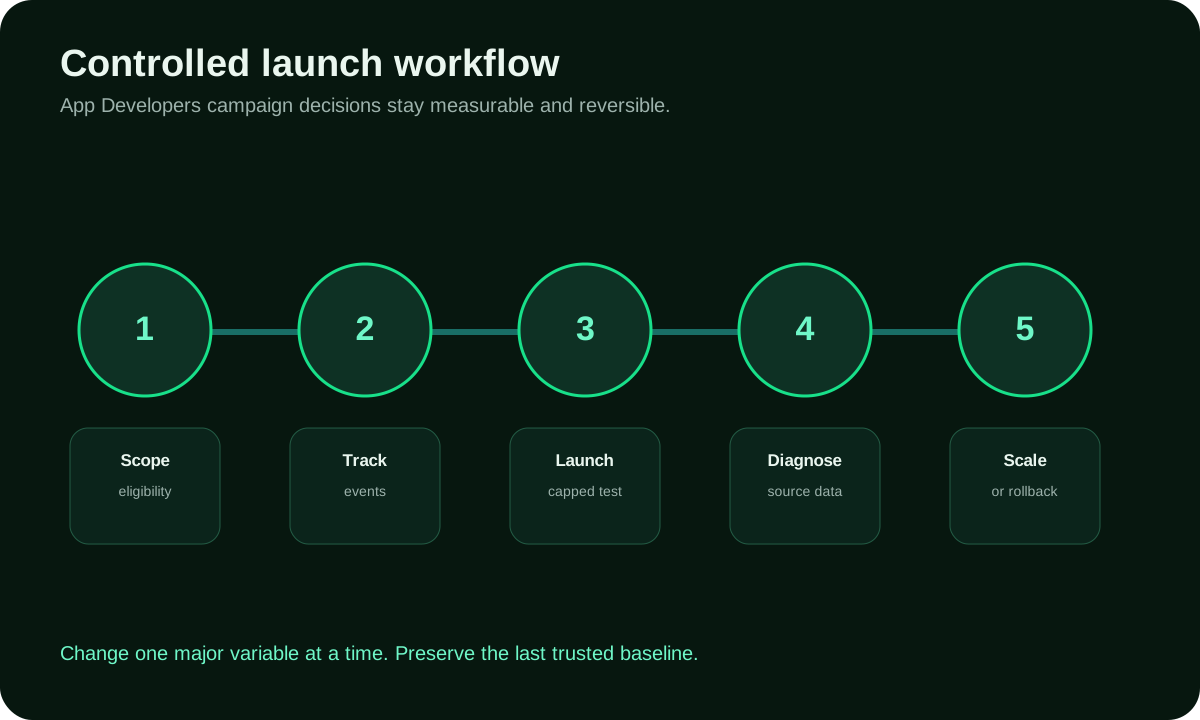
| Scale rule | Install cost, activation rate, trial or purchase conversion, retention and source-level user value. | Increase one variable and retain a rollback baseline. |
Document the decision range before launch. Name the maximum spend without a verified install, first open, registration, activation, subscription or other accepted in-app event, the minimum evidence required before a source exclusion, the delay window that must pass, and the economics required before a budget increase. These rules reduce emotional optimization and make the same evidence understandable to media buyers, analysts and account owners.