
Direct Link Advertising Network
A direct link advertising network brief should start with the destination you want people to reach and the ad experience that can introduce it. Choose FroggyAds to buy supported traffic around a clear offer, serviceable audience and working landing page. We give you practical campaign choices for available targeting, sources, bids and budgets. Define whether you want leads, trials or sales, then select the format and measurement arrangement that fit that journey. A destination URL alone does not establish a special ad format or remove the need for an understandable offer.
Advertising network selection starts with the destination
Advertising network selection connects the inventory purchase with the website or offer your business wants visitors to use. In this guide, direct link describes the buyer’s destination question: should the ad lead straight to a useful offer page, or does the visitor need an explanation first? A final business destination, a tracking redirect and a publisher’s monetization link perform different jobs. Choose FroggyAds for the traffic purchase around your actual offer. Clarify the supported format and destination requirements before treating any supplier’s use of the words direct link as a complete product specification.
Media buying: map the ad-to-destination route
Media buying begins with the visitor’s entry point, not just the URL pasted into a campaign. Record the supported ad format, the message the person sees and the destination that opens after the interaction. Identify any tracking or redirect stage your actual arrangement uses. A change of domain, consent step or unavailable regional page may affect the experience before the offer appears. Keep the route understandable to the operator and the customer. The buying question is whether this particular encounter can introduce the offer clearly, rather than whether a shorter-looking link seems more convenient.
Before selecting a destination, open the brief at the first customer decision. Someone who already understands a product may be ready for its offer page; an unfamiliar service may need a concise explanation before a form. Make a Direct Link Advertising Network choice around that information need, with the selected ad and the landing page agreeing about what happens next.
Localize the whole path when a campaign serves another language or market. The offer, terms, currency where relevant and response handling should make sense after the visitor arrives. Compare each Direct Link Advertising Network option against the locations and devices your business can actually serve, rather than assume a globally accessible URL makes the offer suitable everywhere.
Choose the action the destination should make possible
Choose a business action that the advertised destination can support without asking the visitor to guess. A software offer might lead to an eligible trial; a local service might invite a relevant quote request; a retailer might lead to the correct product and purchase conditions. State what makes the resulting response acceptable to your business. A page load is useful evidence of arrival, while a lead or sale answers a later question. Keep that difference visible so the campaign is evaluated against its intended job and the landing page is designed to help the visitor complete it.
Prepare the destination brief
Bring your offer and traffic route to FroggyAds
Bring us a clear offer, the destination you intend to advertise and the response your team wants to measure. Our self-serve campaign controls help you organize the available audience, source and spending choices around that brief. Confirm the format’s submission requirements and complete normal review before launch. Give the operator one practical question for the first purchase, such as whether an offer page receives usable visits from an eligible source group. Make the next account discussion about that concrete finding, with the actual URL and relevant campaign references available.
Create your free FroggyAds account
Click-through rate does not establish usable arrival
Click-through rate is recorded clicks divided by measured ad impressions under a stated reporting definition. It describes response at the ad, not proof that the final page loaded or the offer could be used. Compare available click reporting with your own destination observations, keeping their periods and definitions separate. A redirect error can occur after a recorded click, while analytics may count visits differently. Have the measurement owner explain material discrepancies before diagnosing intent or traffic quality. Your useful buying decision connects the observed stage with the customer action the business actually wants.
Target the people your destination can serve
Target the available geography and device options around the offer’s practical requirements. A quote page for one service area should not invite people the business cannot help; a device-dependent product needs a compatible destination. Ask which campaign settings apply to the selected supply and use them for a reason your operator can explain. Avoid a long restriction list that merely makes the audience look precise. The value of the targeting comes from helping suitable visitors encounter an offer they can use, with enough understandable delivery to evaluate the next decision.
Review the route again when a changed source, device group or market alters the conditions of arrival. A destination that works for the original audience can behave differently behind a regional restriction or on another screen. Retain the version, setting change and relevant observation. Compare the same accepted-response rule when assessing the new group. This lets your team distinguish an offer mismatch from a broken route or a different traffic mix, instead of making every movement in a campaign total a verdict on the destination itself.
Keep the initial purchase understandable while another eligible group is investigated. Separate a destination version when the offer or path changes enough to affect interpretation. Use the Direct Link Advertising Network brief to connect the selected traffic, landing page and intended response, so another buying decision has a clear reason instead of relying on the apparent simplicity of a link.
Match format to the introduction
Select the ad format before assuming creative is unnecessary
Select a supported format by how it can introduce your offer. A display or native placement needs an appropriate visible message and asset; push has its own invitation and destination requirements; pop traffic creates another encounter that must suit the page it opens. Our published format range gives you options for that buying discussion. Confirm the actual inventory, creative requirements and review conditions in the campaign. Calling a destination a direct link does not prove FroggyAds supplies a separate no-creative format, automatic offer rotation or a publisher monetization product.
Create your free FroggyAds account
Keep the ad promise and first screen consistent
Write an invitation the landing page can immediately fulfil. If the ad offers a product demonstration, make that demonstration easy to find; if it offers a quote, explain who the service covers before asking for details. Keep material conditions visible where they affect the decision. An explanatory page earns its place by answering a real customer question, not by adding another click. Remove ambiguity about the advertised business, offer and next step. A coherent first screen helps the visitor decide whether to continue and gives your team a clearer basis for interpreting the response.
Price the traffic purchase and destination work separately
Price comparisons need the actual buying unit and rate for the selected campaign. Account funding, campaign spending authority and the cost of building or repairing a landing page are separate amounts. Include necessary tracking or creative work in the project assessment without pretending it is all media spend. Set an initial commitment your business can evaluate and explain who may pause the affected scope. A low quoted traffic rate does not resolve an unusable destination, while a polished landing page does not establish that another source purchase will produce profitable customers.
Use source evidence to explain destination response
Source reporting is useful when the reference supplied can support a decision your operator can make. Ask what a source label identifies and which available controls can isolate the relevant group. Keep its destination version, selected format and response definition attached to the review. If one group produces clicks but few usable arrivals, investigate the observed route before inventing a publisher identity or fraud diagnosis. Missing detail remains a limitation. The next task may be a focused source question, a repaired URL or an offer adjustment rather than an unsupported conclusion about all traffic.
Move from URL to campaign
Start a destination-led FroggyAds traffic test
Start with an offer the visitor can recognize and a destination your business is ready to serve. Choose FroggyAds for available targeting, source, bid and budget controls that help you manage the purchase around that offer. Confirm the format and route requirements, then complete review and run the agreed scope. Give the operator a defined response rule and a clear next action for an essential destination failure. A useful first finding can justify another eligible purchase or show which part of the customer journey needs repair before the commitment grows.
Create your free FroggyAds account
Investigate the actual break in the URL path
Investigate a destination concern by naming what was observed: an error page, unexpected domain, missing offer, unavailable market or failed response form. Retain the campaign reference, destination version, relevant time and representative device context. Share only the information needed through the appropriate account channel. A click-to-visit discrepancy alone does not identify the cause, and a successful load does not establish permission for every offer or jurisdiction. Ask a focused question about the affected stage so the responsible team can investigate without changing the ad, source mix and destination simultaneously.
Expand only the destination route you understand
Expand a purchase whose route and business response remain interpretable. New inventory or audiences can change how people encounter the offer, even when the final URL is unchanged. Keep the earlier group identifiable and check whether the new commitment requires another language, device treatment or service-area condition. Review the actual response under the same rule where practical, with the destination version and costs attached. Growth should follow the finding your business can support. A larger click total cannot compensate for a route that prevents suitable visitors from using the advertised offer.
Pre-launch checks for the advertised destination
Use these guides to resolve the actual tracking, spending, source and destination requirements. Keep the intended offer, expected final domain, responsible operator and unresolved route question with the campaign brief before authorizing the purchase.
Direct Link Advertising Network FAQ
These questions address an advertiser’s destination and format choice. Confirm the actual product, available controls and review conditions with the provider before relying on a particular redirect, reporting field or inventory type.
What should advertisers compare in a direct link advertising network?
Compare the supported format, destination requirements, available campaign controls and measurement arrangement against your offer. Ask where the visitor lands, what any redirect does and which business response you will assess. Choose FroggyAds for a focused traffic purchase built around that concrete brief, with essential availability or route questions resolved before launch.
Is an advertiser destination the same as a publisher Smartlink?
An advertiser destination is the page or offer a campaign intends visitors to reach. A publisher Smartlink can be a separate monetization product that selects among advertising offers. Check the provider’s actual product definition. Do not infer FroggyAds supplies automatic offer rotation, link shortening or publisher Smartlink functionality from the phrase direct link.
Should I send traffic straight to an offer or use an explanatory page?
Send visitors straight to an offer page when it answers the visitor’s question and supports the intended action. Use an intermediate explanation when it helps clarify the product, eligibility or material conditions. Choose the route by the audience and ad promise, rather than assuming either fewer pages or more pages will produce better customers.
How do I check regional and device destination availability?
Check the advertised offer, essential content and response step under the market and device conditions your campaign intends to serve. A working homepage does not establish that every product or form is usable there. Keep the relevant conditions in the brief and ask the responsible owner to investigate any representative failure before depending on that traffic group.
How should I compare the cost of two destination routes?
Use the actual media spend, charged buying unit and relevant response counts. Keep account funding and destination development costs separate, then include necessary project costs when appropriate. A click, usable arrival and accepted enquiry answer different questions. Define the event and period before calculating a cost, and do not treat a hypothetical calculation as a market price.
Which reports help distinguish clicks from useful responses?
Define what the available click and source reports count, then compare them with destination observations and the business’s accepted-response record. Systems can have different periods and definitions. Keep missing detail visible instead of inventing a precise journey. A loaded visit can help explain arrival, while an eligible lead, trial or sale concerns the campaign’s later commercial purpose.
What should I retain when an unexpected destination appears?
Retain the intended URL, expected final domain, campaign reference, relevant time and representative device or market context. Identify the actual redirect or stage where the observed path differs, if known. Share the necessary evidence through the appropriate account channel. Avoid exposing unnecessary customer information or asserting a cause before the responsible team can investigate.
When should I pause a destination-led campaign?
Pause the affected scope when an essential part of the offer or route fails, such as an unavailable page, materially misleading invitation or unusable response step. Follow the spending authority and responsibility agreed for the campaign. Repair and review the relevant condition before another commitment; a restored page does not by itself establish customer demand or profitable results.
Can a high click-through rate prove the landing page works?
Separate the stages. Click-through rate concerns recorded clicks relative to measured impressions; it does not prove the final page loaded, the offer was suitable or the visitor became a customer. Review the available arrival evidence and accepted business response alongside it. Investigate a material discrepancy under the actual definitions before changing the buying decision.
What should I prepare for my first FroggyAds destination-led campaign?
Prepare the offer, serviceable audience, supported format, destination route, spending authority and intended business-response rule. Confirm actual creative and review requirements. Then use the available targeting, source, bid and budget choices to run a focused purchase. Keep the next step clear: resolve a route problem, improve the offer or assess another eligible traffic commitment from the finding.
Resolve the remaining source or destination question
Choose the related guide for the traffic, reporting or planning question still open in your brief. Keep its finding attached to the advertised offer and the next decision your campaign operator needs to make.
Choose FroggyAds for an offer-led traffic purchase
Give your first campaign a clear commercial task: bring suitable visitors to a useful product, trial or enquiry page and review the response your business accepts. We help you manage the available traffic controls around that task, with normal campaign review and actual format requirements understood. Prepare the destination and the offer before widening the purchase. Use the first account conversation to resolve a concrete route, source or measurement question. This turns the next step into an actionable campaign plan, with a clear invitation for the customer and a manageable decision for your operator.
Compare advertiser destinations with publisher Smartlinks
The words direct link can describe different products. Adsterra’s official Smartlink page presents a publisher monetization service that selects among advertising offers. That is a different task from an advertiser choosing the destination for a traffic campaign. Compare providers against the job you need rather than transferring one supplier’s product meaning to another. For a FroggyAds purchase, establish the supported format, offer URL, review conditions and available measurement. A familiar label does not establish automatic offer selection, link shortening or the right to monetize traffic through an unconfirmed product.
Build the comparison around the final offer, the route to it and the selected ad format. The table turns those separate requirements into buying questions. Keep an unresolved capability visible in the brief, so the supplier can answer it before your campaign depends on an assumption about how the link will behave.
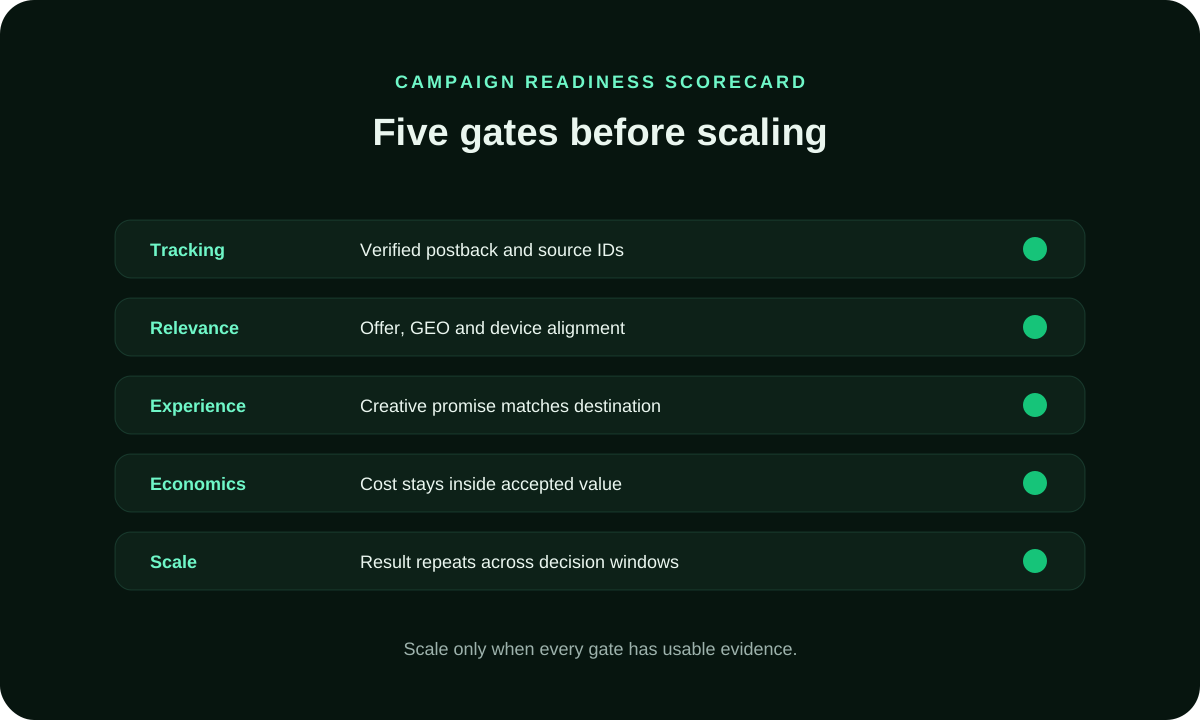
| Destination requirement | Question to resolve | Buying action |
|---|---|---|
| Final offer | Can the visitor recognize and use the advertised product or service? | Choose the page that supports the intended customer decision. |
| URL route | Which domains and necessary redirect stages precede the offer? | Resolve an unexpected path before relying on the purchase. |
| Ad format | How does the selected placement introduce this destination? | Prepare the required message and asset for the actual inventory. |
| Audience access | Is the offer usable for the targeted location, device and language? | Correct an essential mismatch before widening delivery. |
| Business response | Which accepted lead, trial or sale will inform another commitment? | Keep the event definition beside spend and the destination version. |
Five steps from destination choice to another purchase
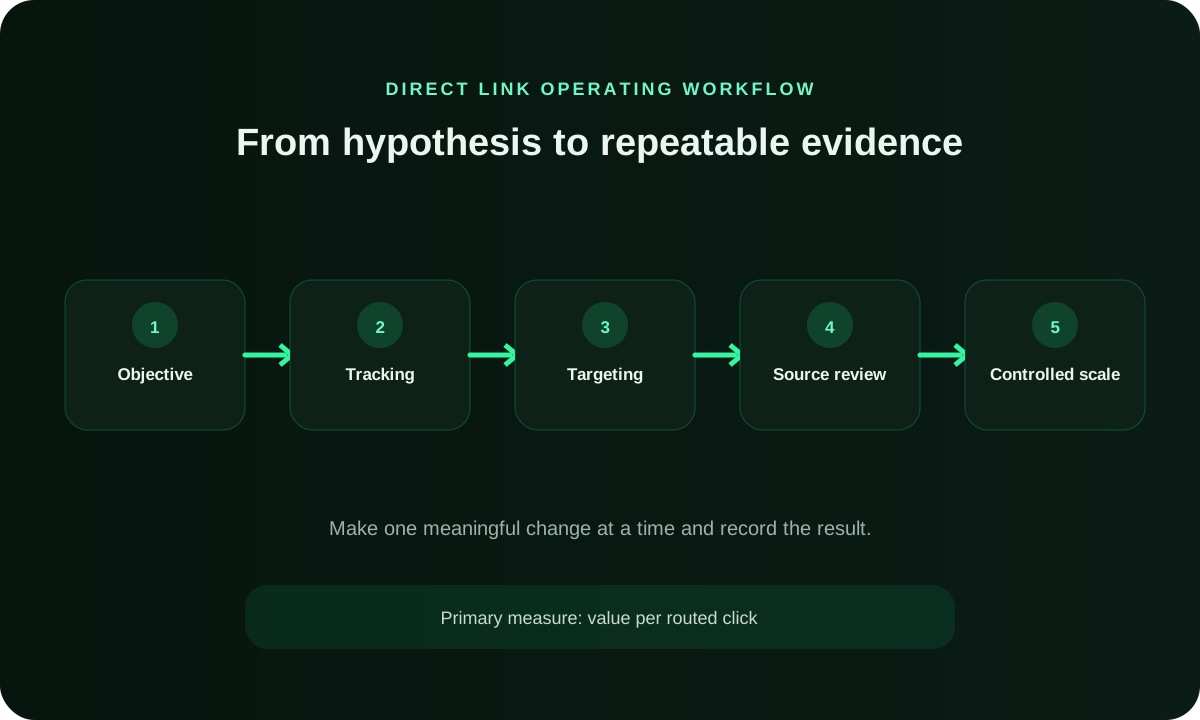
- Objective: define the offer, intended destination and accepted lead, trial or sale the campaign should support.
- Tracking: establish what the actual click, arrival and business-response records mean, including any necessary redirect or parameter handling.
- Targeting: match the available audience options to the service area, device and language the destination can serve.
- Source review: examine identifiable traffic groups with their destination version, observed route conditions and accepted responses attached.
- Controlled scale: resolve essential path failures, retain the understood starting group and justify another eligible purchase from the actual finding.
Why choose FroggyAds for a destination-led campaign?
We give advertisers practical control over the traffic purchase surrounding a clear offer. Use available targeting to focus on a serviceable audience, source controls to investigate identifiable groups, and bid and budget choices to manage the commitment. A trial page can invite an eligible signup; a product page can lead toward a relevant order; an enquiry page can explain the service before requesting details. Choose FroggyAds when you want those campaign choices connected to a concrete destination and business response, with the supported format and actual operating conditions understood.
Let the review determine a useful next task. If the offer is unclear, improve the explanation; if the route fails, repair the affected path; if an eligible group produces useful accepted responses, assess another purchase under your spending authority. Keep the actual destination version and campaign references with the decision. That makes the account conversation specific enough to act on and helps your operator manage the next commitment around the customer journey rather than rely on an overall traffic count.
Decide whether an intermediate landing page earns its place
Use a direct offer page when it answers the visitor’s question. A separate explanatory landing page is worthwhile when the ad cannot reasonably explain an unfamiliar product, important qualification or service choice. Give that page a clear purpose and an obvious next action. An intermediate page that merely sends everyone elsewhere can add friction without helping the buyer. Our Trusted Direct Link Ads resource addresses a separate trust evaluation; here, the decision is which destination and introduction the actual campaign needs.
Check what the visitor must know before giving details or ordering. A comparison, demonstration or qualification question can justify useful explanation; a returning customer responding to a specific product offer may need less introduction. Keep the destination choice attached to the audience and ad promise. Do not remove an essential condition simply to reduce the number of clicks, or add a page only because another campaign uses one. The shortest route and the clearest route can coincide, but that needs a reason grounded in the offer.
Define the route contract before launch. Record the advertised destination, expected final domain, necessary redirect or tracking stage and the action the visitor should be able to complete. Have the responsible owner explain what information must survive the route and how it will be checked in the actual arrangement. This is a campaign brief, not a claim that every platform supplies the same tracking template or parameter. Keep any permission or implementation question open until the relevant owner can answer it.
Preserve the offer across destination changes. A new product variant, expired promotion or replaced form can change the customer journey while the campaign still uses the same URL. Identify who approves that change and how the operator learns about it. Recheck the relevant invitation and response definition before interpreting later results as comparable. A repair can restore a usable path without proving that the old and new offers have equal demand or customer value.
Verify location and device access for the actual offer. A publicly reachable homepage does not prove that the advertised product, service or form is available to the targeted visitor. Include the relevant country, device and language conditions in the destination brief. Ask the responsible team to investigate a representative failure rather than assume the source is unsuitable. Where the campaign cannot isolate an essential mismatch, resolve that limitation before relying on a wider purchase.
Separate tracking redirects from changing offers. A measurement stage can record or pass information under the actual setup, while an offer-selection service can choose another destination. Those functions need different explanations and permissions. Know which one your route uses, which domain the visitor should reach and who can change it. Avoid adding an unfamiliar intermediary merely to make a URL look shorter. The operator needs an understandable path and a clear owner for any unexpected destination.
| Observed stage | Destination question | Next responsibility |
|---|---|---|
| Ad interaction | Did the invitation set an accurate expectation for the offer? | The creative owner reviews the promise and applicable conditions. |
| Usable arrival | Did the intended visitor reach a working and relevant final page? | The route owner investigates the actual failure or access condition. |
| Accepted response | Could the business use the enquiry, trial or sale under its rule? | The business owner assesses qualification before another purchase. |
A fictional comparison: clicks, usable arrivals and enquiries
Hypothetical example: a fictional equipment-hire business spends USD 100 on each of two destination versions under the same stated click and accepted-enquiry rules. Version A records 500 clicks, 400 usable arrivals and 8 accepted enquiries. Version B records 500 clicks, 250 usable arrivals and 10 accepted enquiries. Cost per click is USD 0.20 for both. The usable-arrival rates are 80% for A and 50% for B. Calculated cost per arrival is USD 0.25 versus USD 0.40, while cost per accepted enquiry is USD 12.50 versus USD 10. These invented figures show why route health and business response need separate review. They do not prove a destination caused the difference, establish normal FroggyAds pricing or predict sales. Investigate B’s arrival loss before expanding it; enquiry-to-hire value remains unknown.
Turn the destination decision into your next campaign
Choose FroggyAds for available traffic controls around the offer and destination your business is ready to serve. Bring the intended format, URL path, spending authority and response rule to the account setup. Use the actual finding to choose the next source test, destination repair or further purchase. Create your free FroggyAds account.
Provider terminology and destination guidance: Adsterra’s publisher-side Smartlink product page explains a different job from choosing an advertiser destination. Google’s Destination requirements describe Google Ads rules and useful examples of URL concerns; they are not FroggyAds policy or proof that your route has passed review. Use the distinction to ask a focused supplier question about the actual offer, path and selected campaign.
What matters before you buy destination-led traffic?
Prioritize a clear offer, a supported ad format and a destination that lets suitable visitors take the intended next step. Choose FroggyAds for practical control over the available audience, sources, bids and campaign budget. Keep clicks, usable arrivals and accepted customer responses understandable as different observations. Resolve essential route or offer questions before the purchase depends on them, then use the actual response to decide what to improve or buy next. Your campaign starts with a useful promise to the visitor and a concrete question your business is prepared to answer.