
Advertising Network Usa
By FroggyAds. Published 14 July 2026; updated 24 October 2026.
Choose an advertising network USA campaign around a business requirement your supplier can assess and fulfil. FroggyAds helps you control traffic and media expense while prospective customers describe the work. Our hypothetical custom-machining supplier follows a usable request, an approved specification and quotation, then a completed accepted business order. Drawing revisions remain attached to the decision throughout.
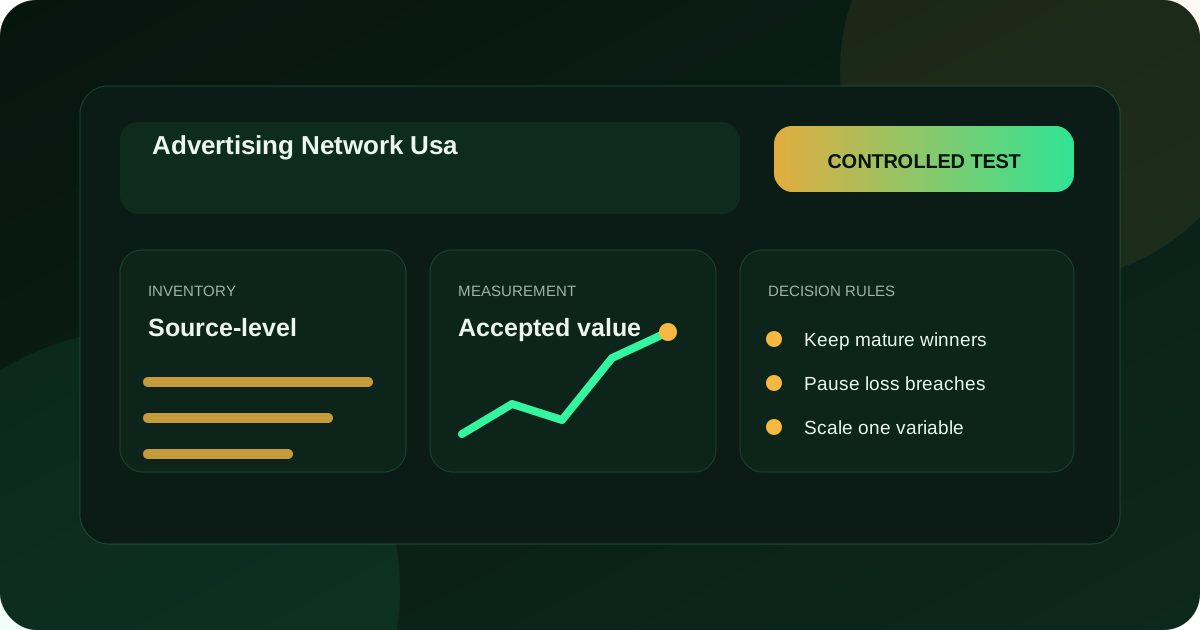
Acquire business requests your supplier can actually quote
Business buyers need a supplier that understands the requested part and can agree the work. We recommend FroggyAds for introducing a clear service through controlled traffic testing. Your team assesses drawings, requirements and commercial terms. Our available campaign controls help you compare sources against usable quotations and accepted supplied orders.
Follow the drawing from enquiry to approved business order
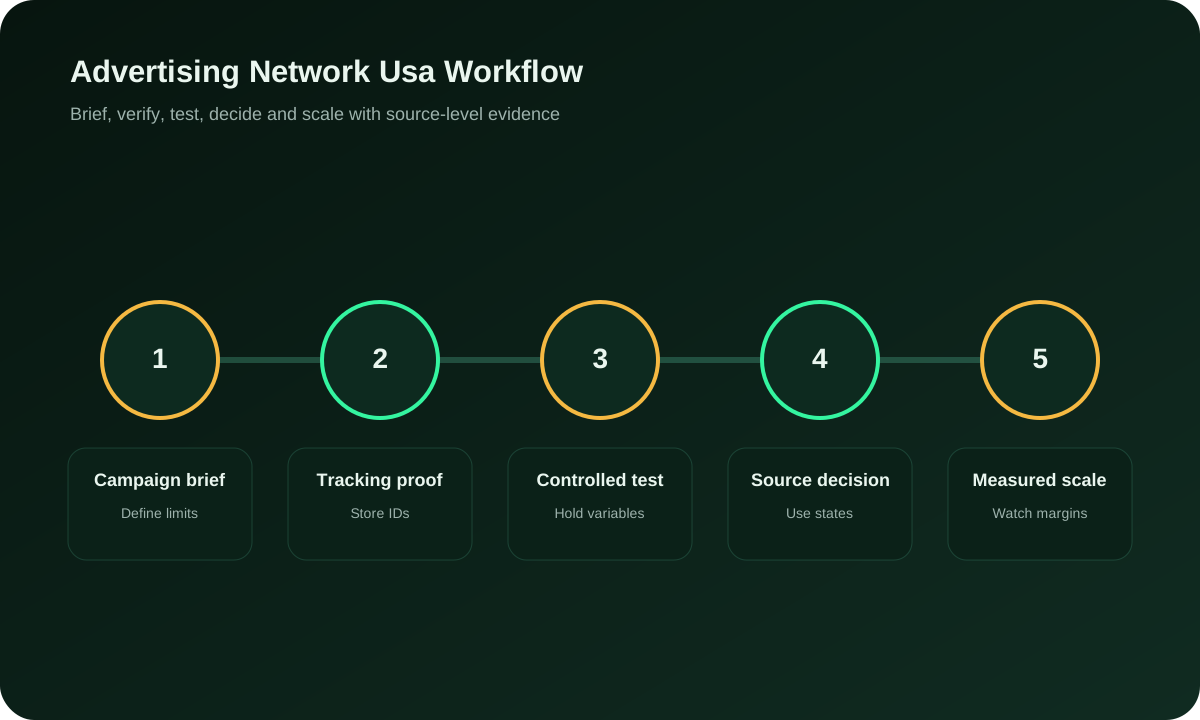
Give each request a reference connecting the actual CAD revision, matching drawing and requested quantity. Follow technical review, quotation, customer approval, order and delivery acceptance. Preserve changes after the initial brief. A file upload or contact form alone does not establish that the supplier has a usable requirement or that the customer has authorised production.
Ask the business customer to describe the part, relevant material and quantity through your own appropriate enquiry process. Confirm who can clarify requirements and approve the quotation. An attractive request volume may still contain incomplete designs, work outside the offered capability or enquiries the supplier cannot serve on its actual terms.
Marketing needs a useful status and reason; the supplier's technical team decides whether it can quote and supply the work. FroggyAds does not validate a drawing or certify a part's suitability.
State the machining service and quotation requirement clearly
Define the work your supplier offers and the information needed for a quotation. Explain whether the first action requests assessment or creates an order. Show real capability limits and commercial conditions through approved business information. Avoid implying that any submitted geometry, material or delivery request can automatically be accepted.
Choose traffic around a useful business enquiry
Review current USA inventory and eligible formats with a manageable first offer. Available country, device and source controls can shape exposure, while the destination explains the requirement. The buyer's actual project and supplier assessment determine whether the enquiry belongs in the quotation process.
Our media settings do not establish a visitor's engineering role, purchasing authority or technical readiness. Qualify those details through the business response. Keep the usable quotation request tied to its actual requirement rather than treating an audience label as proof that the person can approve an order.
Use available reporting to inspect delivery, then compare the requirements staff can assess. Record missing media fields as limitations. A large audience cannot replace a clear service scope and working quotation handover.
Qualify scope, specification and customer responsibility
Check whether the requested work fits the supplier's actual capability and service arrangement. Identify the relevant design version, material, quantity and customer contact. Ask for clarification where necessary before treating the request as quote-ready. Country targeting alone cannot establish that a business requirement is complete or commercially suitable.
Introduce a specific supplier service through FroggyAds
Control the traffic test around a quote-ready requirement
We help you test available traffic while your supplier qualifies the work. Start with one clear service offer and an enquiry route staff can handle. Set the media limit and verify reporting. Review the cost of requests that become accepted business orders before widening the campaign.
Create My Free Account
Write creative that invites the right specification
Show a real example of the type of work offered, with permission and support for the claim. Invite customers to provide the information your supplier needs. Give each creative a reference and match it to the destination. A polished part photograph should not imply unsupported material capability, certification or guaranteed production timing.
Use an accurate next action such as requesting a quotation or discussing the requirement. Explain the level of information needed before the supplier can respond. The advertised machining scope should remain clear when the visitor reaches the enquiry page, rather than becoming a promise to manufacture every submitted design.
Compare messages about a useful customer problem, such as preparing a complete drawing package or clarifying a production requirement. Keep the service stable and judge quote-ready requests and later orders, with unfinished work visible.
Make the enquiry destination useful to the technical team
Explain the supplier, service scope, request information and next step. Use the business's appropriate route for design files; customers should not send CAD material to FroggyAds. Test that staff receive the relevant version and can request clarification under the original enquiry reference.
Connect the quotation, approved revision and supplied order
Retain available campaign and source references through tracking arrangements verified for your destination. Link them with the business enquiry using your own systems. Your approved specification record belongs with the quotation and order, while configured media events remain separate from technical approval and delivery acceptance.
Record submitted, usable, quoted and approved requests as different stages. Keep the version supporting each quotation and explain a later amendment. FroggyAds reports media activity and configured conversions; your supplier confirms the specification, customer approval and accepted supply outcome.
Leave future production or delivery stages pending until their agreed point is due. A signed quotation is useful progress, but it is not the completed order defined for this example. Record cancellations and material issues so unresolved work does not silently become a successful acquisition.
Budget against the accepted order and quotation effort
Set the media limit from your supplier's contribution and capacity to assess requests. Check current account funding and bidding requirements separately. A minimum bid, deposit requirement and affordable business acquisition cost answer different questions; none establishes the production margin available for this particular work.
Use USD consistently for the hypothetical example and retain a dated conversion if reporting uses another currency. State the selected quotation work included in your comparison. The order acquisition allowance should reflect costs on the same basis, with engineering or fulfilment expense counted once rather than added repeatedly.
Limit exposure when technical review falls behind. More incomplete enquiries can consume staff time without producing usable quotations. Correct the requirement explanation before increasing the media budget.
Match the format to the business quotation decision
Choose an eligible format for the supplier's actual message
Inspect formats currently available for the offer, such as banner, native, push or pop traffic where eligible. Select an execution that can lead honestly to the service and requirement page. Your supplier's technical review remains the basis for accepting the project.
Create My Free Account
Calculate cost through request, quote and accepted supply
Suppose a hypothetical USA machining campaign spends USD 4,200 for 70 requests. Thirty-five are usable, 21 reach quotations, fourteen become approved orders and seven are completed and accepted. Media cost is USD 60 per request, USD 120 per usable requirement, USD 200 per quotation, USD 300 per approved order and USD 600 per completed order.
Add USD 1,400 of selected enquiry assessment and quotation work. Total acquisition expense becomes USD 5,600, or USD 800 across seven completed accepted orders. Compare that total with the matching allowance. Production expenses already deducted in contribution should not be added again without explaining the accounting basis.
Keep unfinished work visible until the agreed supply stage can be reviewed. Compare newer and completed groups only at the same point, using the same included expense.
Diagnose unusable requests before excluding a source
Review incomplete drawings, mismatched revisions, unsupported work and commercial changes separately. A page that omits the required quantity needs a clearer enquiry. A supplier unable to quote the requested process needs an accurate service boundary. Identify the actual cause before attributing every unconverted request to poor traffic.
Compare sources and devices once business reasons are visible. Similar response volumes can create different quotation workloads. Retain the evidence for exclusions or retests, including destination corrections that affected incoming requirements.
Respond to quotation readiness and supplier capacity
Continue media where accepted-order expense fits the allowance and staff can assess the work. Limit exposure when quotation review is overloaded or the advertised service becomes unavailable. Correct confusing requirement instructions before expanding. Our controls help you manage traffic; the supplier resolves the actual engineering and commercial decision.
Record why and when the service offer or quotation process changes. Preserve the earlier version so the next review can distinguish a better handover from a different manufacturing requirement.
Test a clearer drawing-revision request
Compare a more explicit request for the current CAD and matching drawing with the earlier enquiry page. Keep the service, commercial basis and acceptance measure steady. Review usable requirements and quotation rework alongside form counts. The purpose is to make the supplier handover more reliable.
Avoid changing the offer and qualification rule simultaneously when testing that explanation. Preserve the earlier destination and review the same business stages. A consistent revision check makes it easier to identify whether clearer instructions reduced incomplete or contradictory quotation packages.
Use the findings to choose a clearer explanation, narrower service or more review capacity. A higher form completion rate alone does not show that staff received usable quotation information.
Verify the request-to-quotation handover
Check a realistic business request before launch
Submit a controlled example and confirm staff receive the design reference, matching drawing and quantity. Verify who approves amendments and where quote and order statuses are recorded. Test configured media events separately. Then launch the limited campaign with a clear response owner.
Create My Free Account
Measure the request after quotation and supply review
Compare paid media with usable requirements, issued quotations, approved orders and completed accepted supply. State the review point and included expense. Keep amended, cancelled and unfinished work visible. This identifies whether the campaign acquires viable orders, rather than rewarding the easiest intermediate event.
Pause an offer with inaccurate scope or unusable handover
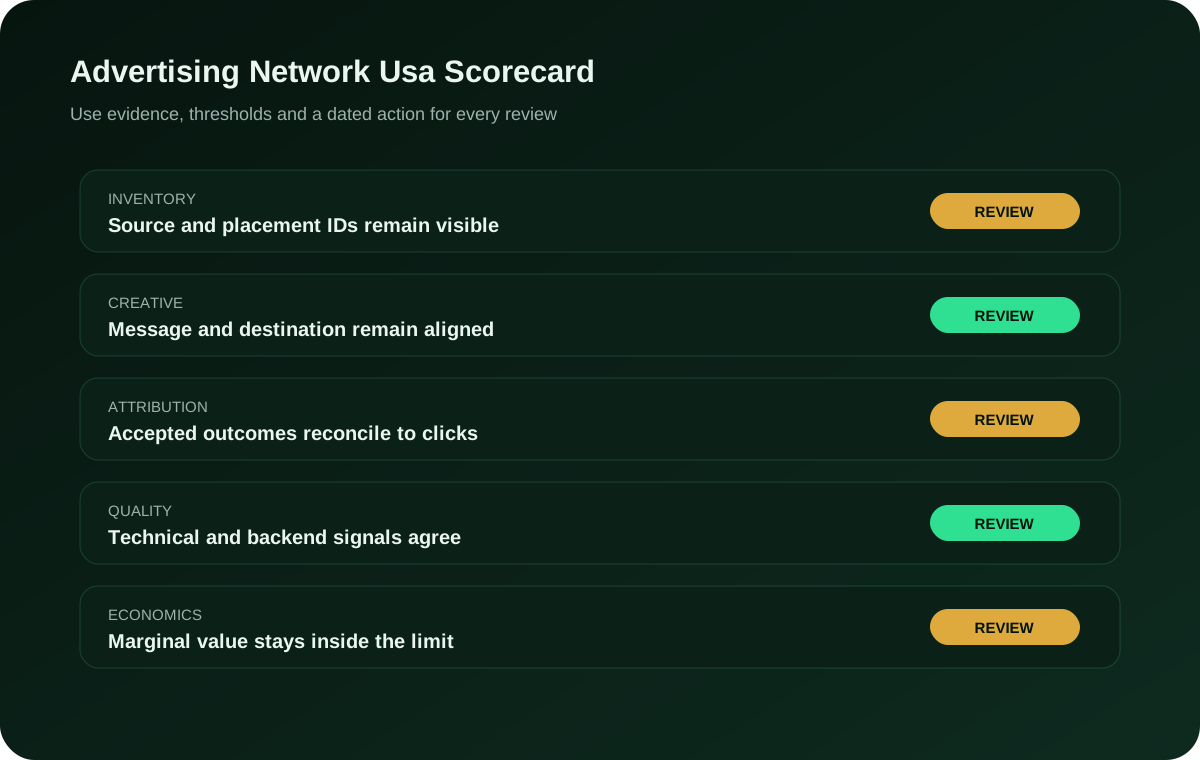
Stop the affected message when the advertised capability is unsupported, the supplier cannot assess incoming requests or material tracking and destination faults prevent a reliable decision. Correct the cause before resuming. Do not continue implying that every submitted design can be manufactured.
Expand within the supplier's quotation and production readiness
Add another service category when its requirement checklist, assessment ownership and commercial basis are ready. Check whether the supplier can support the additional quotation work. Evidence from one type of part does not establish capability, lead time or acquisition cost for every other project.
Assess the next service's own accepted orders. A different material, process or quantity can change review work and contribution; keep those differences visible instead of hiding them inside a favourable earlier average.
Keep the approved design and change process visible
Xometry's reviewed revision guidance illustrates why an updated CAD file and matching drawing need a clear relationship, and why a change after ordering needs confirmation. Your independent supplier must apply its own actual process. Do not promise that an amendment can always be accepted once production planning or work has begun.
Prepare three accepted-order cost cases
At USD 4,200 media spend, five completed accepted orders cost USD 840 each; seven cost USD 600; ten cost USD 420. Against an illustrative USD 625 media allowance, only the last two fit. These cases exclude selected quotation expense. Keep genuinely future orders pending and compare the same included costs before deciding that the campaign needs more spending.
Retain the accepted requirement and commercial outcome
Keep the advertisement, customer brief, CAD and drawing revisions, quotation, approval and final order status connected. Record amendments and material supply issues. Marketing can then explain what the campaign acquired, while the technical and commercial teams retain responsibility for the work agreed with the customer.
USA business quotation decision table
| Request detail | Supplier evidence | Media response |
|---|---|---|
| Specification | The current CAD and matching drawing support the requirement. | Clarify repeated incomplete or mismatched packages. |
| Scope | The proposed work fits the actual service offered. | Correct unsupported capability messages. |
| Approval | The customer approves the relevant quote and revision. | Keep unapproved requests out of the order count. |
| Changes | Amendments follow the supplier's actual confirmation process. | Preserve changed requirements before comparing sources. |
| Expense | The measure states the selected assessment and quotation work. | Use an allowance for the same included costs. |
| Readiness | Assessment and supply arrangements support the next request. | Limit exposure when the offered service is unavailable. |
Questions about an advertising network USA quotation test
What should a USA machining campaign measure?
Track usable requests, quotations, approved orders and completed accepted supply separately. Define the final review point and selected acquisition expense for your supplier. A file upload or quote request is an earlier stage. Keep unfinished work and material issues visible so the source comparison follows the actual business outcome.
Can FroggyAds target engineers with purchasing authority?
Our available media settings do not verify a person's role or authority to approve work. Explain the offered service and qualify the actual requirement through your destination and business response. Review current USA targeting and inventory for the initial traffic boundary, then let the supplier's process establish suitability.
Does FroggyAds assess CAD files or manufacture parts?
We provide advertising traffic and campaign controls. Your supplier manages design assessment, quotation, customer approval and production. The reviewed Xometry guidance supplies revision-handling context only. It establishes no FroggyAds CAD integration, manufacturing partnership, engineering certification or entitlement to another supplier's service terms.
What makes a request ready for quotation?
It contains the information your actual supplier needs, including the relevant design and drawing revision, material and quantity where required. Staff must confirm whether the work fits the service offered. Preserve clarification and changes instead of assuming every form submission is ready for a binding commercial response.
Why must an amended CAD file match its drawing?
A quotation needs a clear requirement. Conflicting versions can leave the technical and commercial teams assessing different work. The reviewed provider guidance highlights updating the corresponding drawing when a file changes. Your own supplier must confirm the applicable version and approval, without promising that changes are always possible after ordering.
How should future supply orders be reported?
Leave orders awaiting an agreed future production or delivery stage pending until the chosen review point is due. Record cancellations, amendments and material issues separately. Compare source groups at the same stage. A quotation or approved order can show progress without becoming the completed accepted supply result before evidence supports it.
How should I choose a USA business traffic budget?
Use the supplier's contribution, selected acquisition work and practical quotation capacity. The USD figures here are hypothetical calculations, not FroggyAds prices or funding requirements. Check current account terms separately. State the currency and included expense consistently so the accepted-order allowance is compared with the same cost measure.
What should happen when the requested design changes?
Keep the new revision and matching documents linked to the original request and obtain the confirmation required by the supplier's process. Record whether the quotation or order changes. Do not silently overwrite the earlier requirement or imply that an amendment can always be accommodated once work has entered production.
When should the machining advertisement pause?
Pause the affected offer when its capability claim is wrong, the supplier cannot support the advertised next step or destination and reporting faults prevent a reliable decision. Assign ownership for correcting the issue. Resume around work the team can accurately explain and assess, with an appropriate commercial handover.
How do I start the USA test with FroggyAds?
Create your free account, inspect current inventory and choose an eligible format. Prepare one accurate supplier offer and test the request-to-quotation handover. Set the media limit and verify configured reporting before launch. Use completed accepted orders, included expense and actual assessment capacity to guide further source and spending decisions.
Further USA network and advertising format choices
Use a related guide for USA network access, specific advertising formats or another traffic buying question.
Introduce a supplier service with a usable quotation route
Choose FroggyAds for a controlled USA traffic test around the business service you operate. We help you inspect source delivery and media expense while your team assesses the requirement and agrees the work. Prepare that handover so the next acquisition decision follows orders the supplier can genuinely fulfil.
Further decisions for the quoting supplier
The advertisement introduces a service; your supplier assesses the actual geometry, documents and commercial request. Make that distinction clear before the customer expects a quotation.
Revision identity: Retain the CAD version and matching drawing with each quotation. An amended filename alone may not explain the requirement, so use the supplier's actual version and approval process to establish which work is being assessed.
Customer authority: Identify who can clarify the request and approve the agreement through the business response. A media audience setting does not establish that role, even when the enquiry describes a relevant manufacturing project.
Quantity basis: Keep the requested amount with the quote and note a later change. A different quantity can alter work and economics; marketing should not treat the revised agreement as identical to the original request without explanation.
Post-order change: Confirm amendments through the supplier's actual process. The reviewed provider guidance shows why changes after ordering need explicit attention. Do not imply that a new drawing automatically updates work already being planned or produced.
Quotation effort: State which assessment tasks acquisition expense includes. A low request cost can still require substantial clarification before the supplier has an order it can accept on workable terms.
Next service: Prepare the requirement checklist and technical response for another offered process before expanding. Its own accepted-order result and quotation workload should guide the decision, rather than an undifferentiated total of incoming files.
| Quotation stage | Supplier action | Record to retain |
|---|---|---|
| Before quotation | Confirm a usable requirement and consistent document revisions. | Customer brief, relevant files and clarification. |
| Before order | Agree the actual scope, quotation and customer approval. | Accepted version, quantity and commercial changes. |
| After supply | Review accepted completed orders with selected acquisition work. | Final status, included expense and source spending. |
Worked USA supplier acquisition example
Hypothetical supplier example: USD 4,200 media plus USD 1,400 selected assessment and quotation work totals USD 5,600. Across seven completed accepted orders, acquisition expense is USD 800 each. Replace these assumptions with the supplier's own costs and review rule. This calculation is not a FroggyAds customer result or a manufacturing performance promise.
Why choose FroggyAds for the business quotation test?
Our available formats, targeting, budgets and source controls let you introduce a defined supplier service and inspect the media expense behind its response. Your team confirms the requirement, customer agreement and accepted supply outcome before further acquisition spending. Create your free FroggyAds account.
Research context: The published Xometry revision guide illustrates matching updated files and drawings and confirming changes after order; your supplier must apply its own process. The U.S. Currency Education Program supports dollar notation only. Neither source supplies campaign results or FroggyAds engineering capabilities.
Start with a requirement your supplier can assess
We recommend FroggyAds for USA business traffic testing tied to an accurate service and a reliable quotation handover. Clarify the documents, scope and approval before launch. Your next media decision can then follow accepted supplied orders, with the selected acquisition work and the supplier's actual review capacity considered alongside visits and submitted requests.