Frequently asked questionsQuestions about how to buy push notification traffic
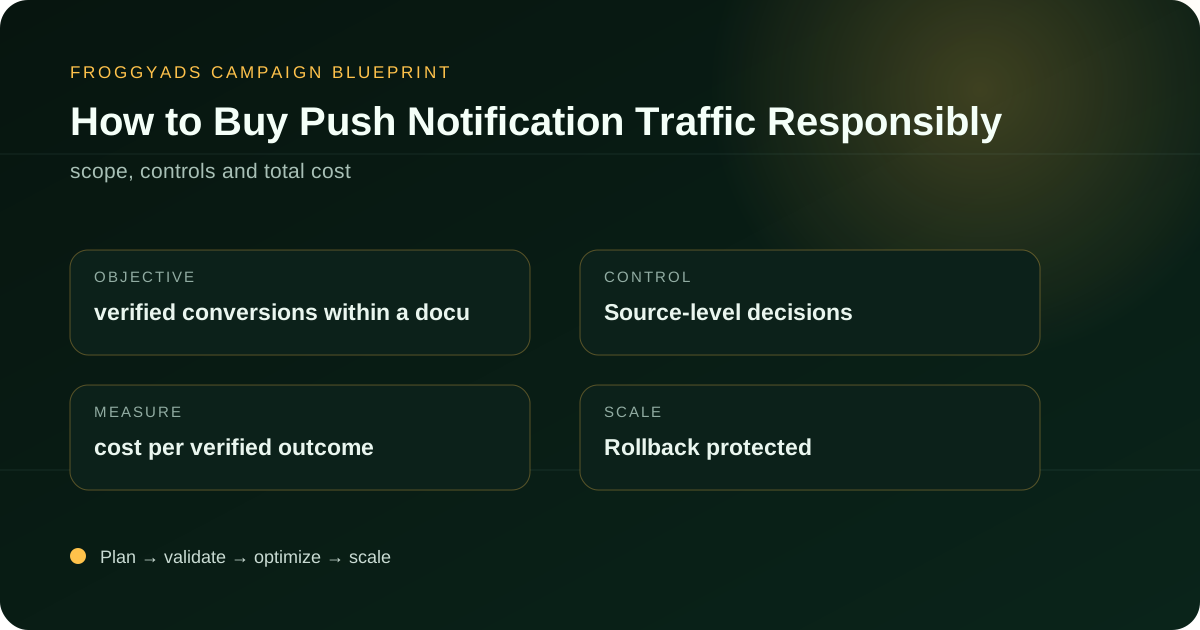
Use the answers for How to Buy Push Notification Traffic Responsibly to prepare a campaign brief covering objective, eligible audience, ad format, GEO, budget, tracking, source controls and the accepted conversion.
What should be ready before buying push notification traffic?
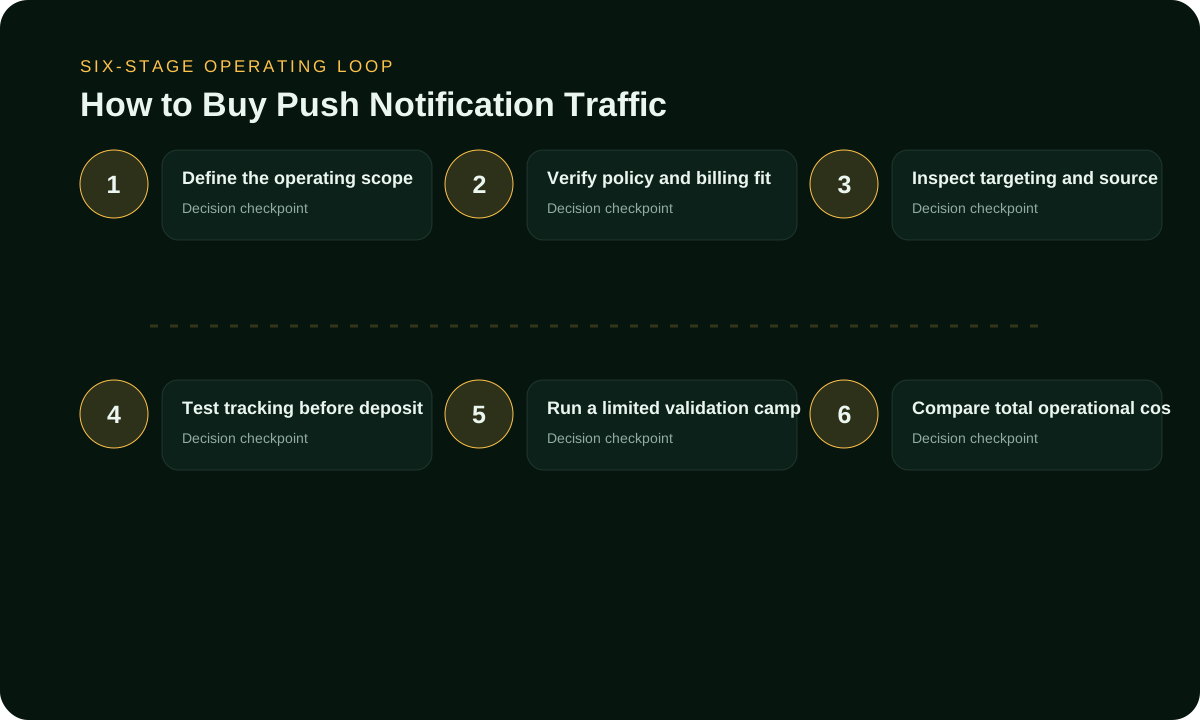
Prepare an eligible offer, mobile-ready destination, accepted conversion event, tracking parameters, test cap and written source stop rules.
How does a buyer select the first push audience?
Choose a serviceable country and device group first, then split audiences when the offer, language or user intent calls for a different message.
Which push advertisement details affect response?
The title, image, message and call to action should set an accurate expectation that the destination immediately fulfils.
What financial limit should control an initial push notification test?
Set a loss ceiling the business can accept, then estimate how much delivery is needed to observe enough verified conversions for one source decision.
What tracking identifiers should follow the click?
Carry the campaign, creative, publisher and click IDs into the conversion record so later approvals and costs can be traced back accurately.
Which source-level checks reveal whether bought push visits are usable?
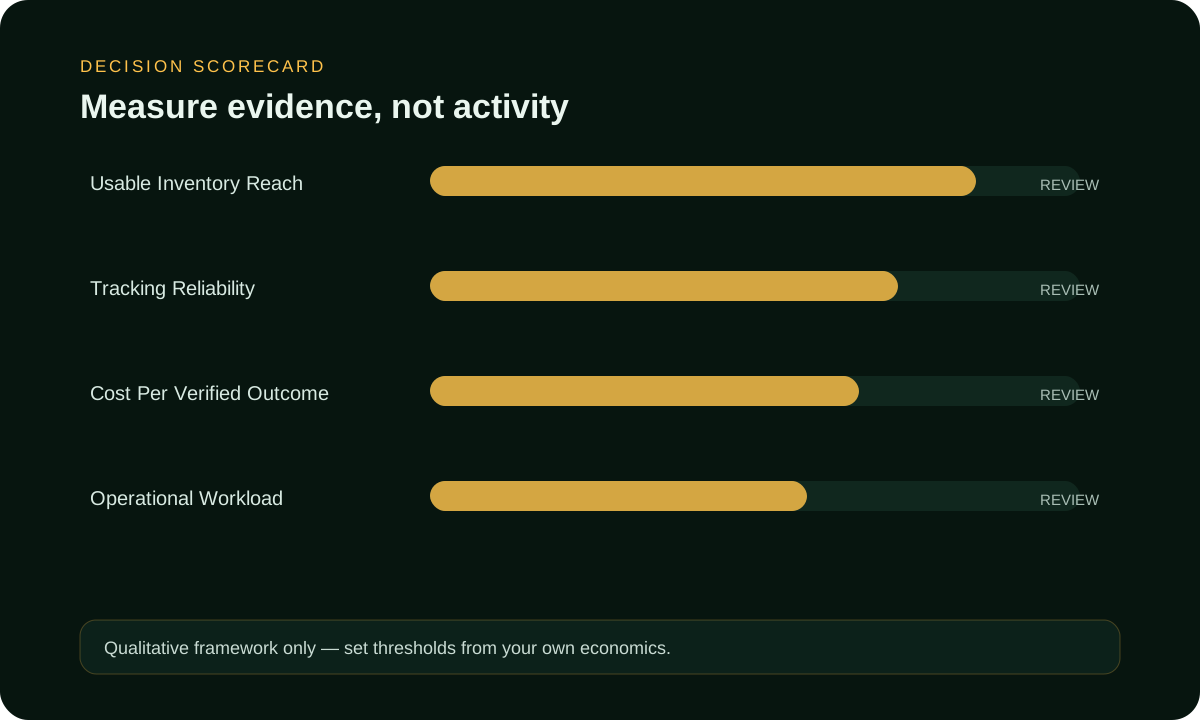
Inspect eligible sessions, repeated click patterns, on-page actions and the settled cost for each approved conversion once the review window closes.
What documented trigger should remove a push publisher from delivery?
Remove a publisher when documented review confirms invalid traffic, a policy breach, or repeated cost above the approved result limit.
Why should exposure frequency be reviewed separately for each push audience?
Excessive repetition can reduce response and annoy users, so review frequency by campaign and audience rather than assuming more exposures help.
What would justify increasing push notification volume?
Increase gradually when added sources continue producing eligible outcomes inside the approved cost while tracking and operations remain stable.
What should the final push test report include?
Keep audience settings, creative, bids, placements, spend, invalid events, approved outcomes, changes and the reason behind each scale or stop decision.