Frequently asked questionsQuestions about entertainment ad network
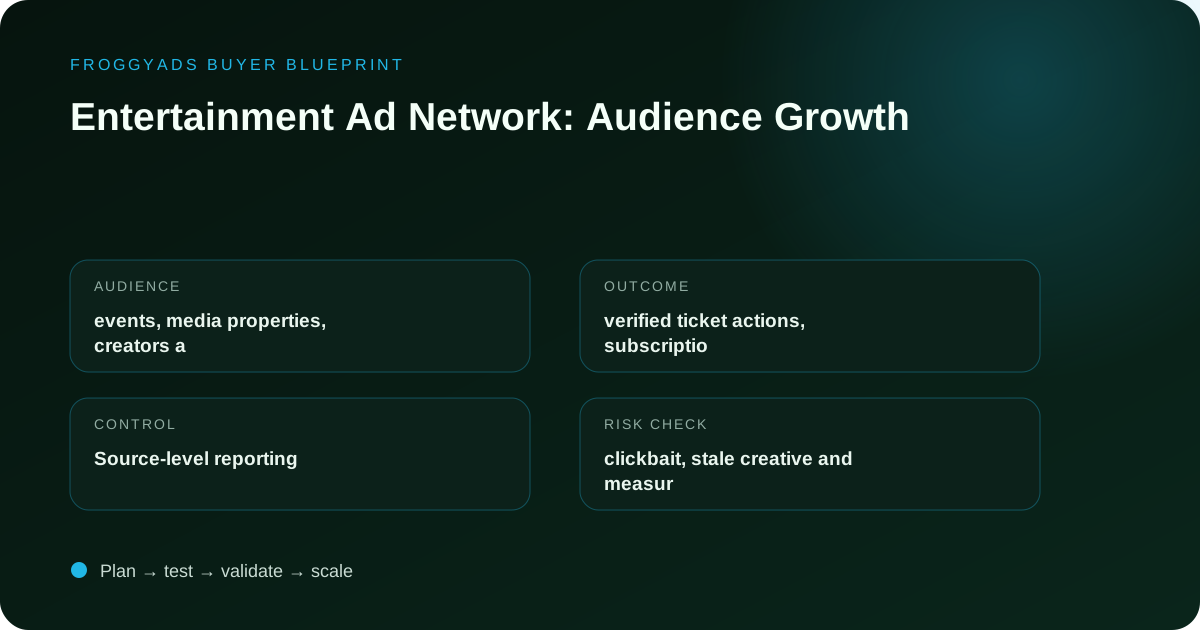
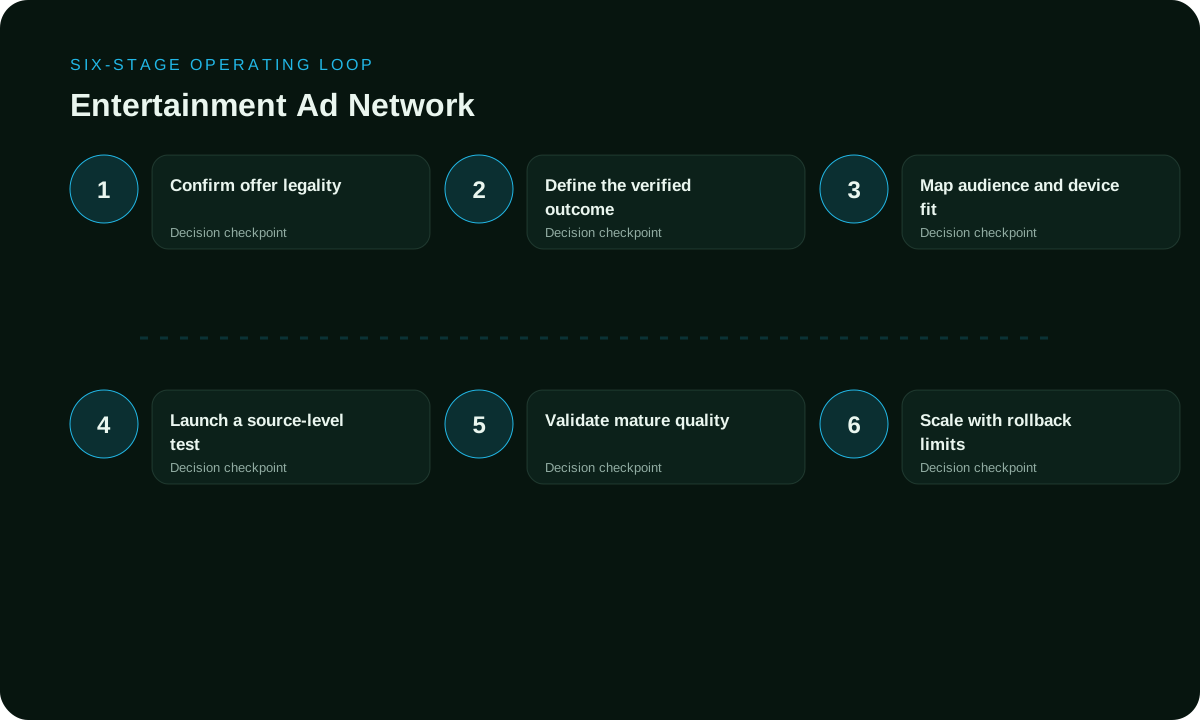
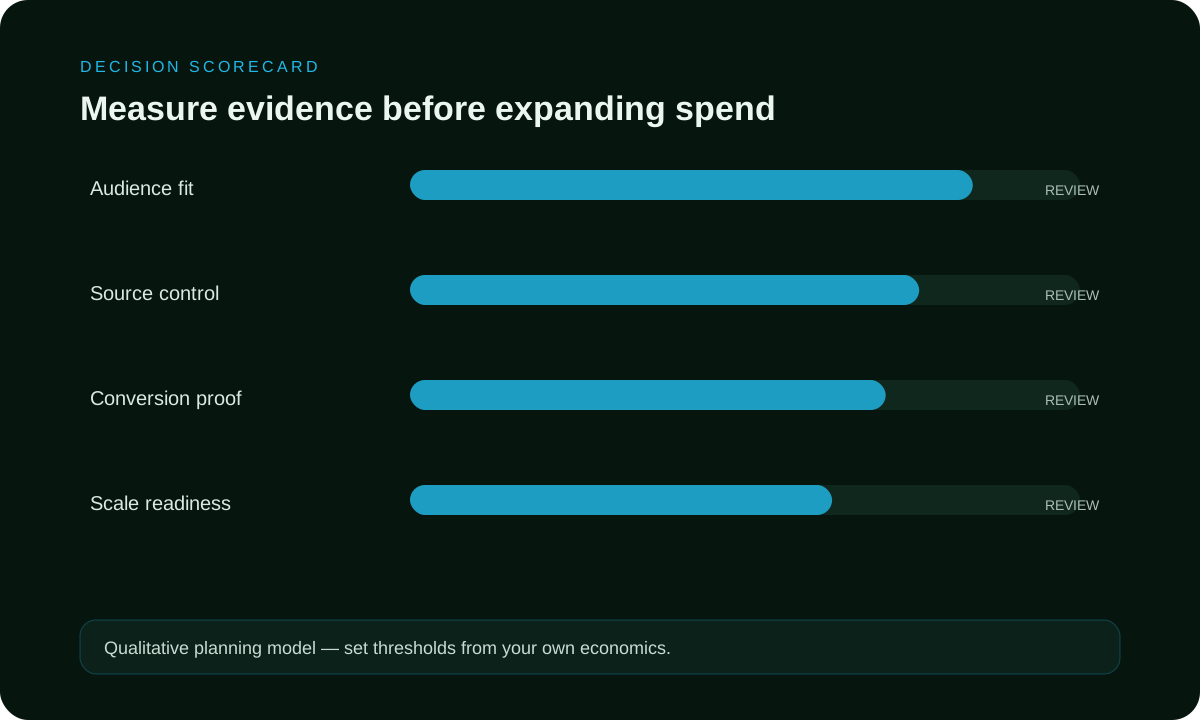
For the Entertainment Ad Network: Audience Growth decision, use Questions about entertainment ad network to separate a real operating requirement from a broad best-practice statement. Review answers, prepare, brief, covering, objective and eligible together, because a strong result in one of them should not conceal a material failure in another. Do not scale the conclusion beyond the evidence window; repeat the check after the next meaningful change in volume, scope or audience.
Which audience context belongs in an entertainment network brief?
Describe the title or experience, rating, language, territory, release stage, expected fan action and excluded contexts. Use current interest or behavior evidence where permitted, without inferring sensitive traits from entertainment preferences.
How can an advertiser compare entertainment network formats fairly?
Give display, native or video the same audience cell, truthful promise, destination, observation window and accepted outcome where practical. Compare delivery quality, creative workload and total cost, not click rate alone.
What evidence helps verify entertainment inventory quality?
Review publisher or app identifiers, placement type, device, geography, viewability or completion where available, invalid-traffic controls and post-click behavior. Sample destinations and preserve source-level records for diagnosis.
Which expenses complete an entertainment network cost view?
Count media, minimums, creative versions, rights clearance, localization, measurement, verification, platform fees, staff, agency work, refunds and service load. Normalize currency and tax treatment before comparing territories.
When can an entertainment placement become unsafe for a brand?
A context may conflict with the promoted title's rating, audience expectations, rights, claim or destination, even if it delivers engagement. Define exclusions and a rapid placement-blocking path before launch.
How should a network connect entertainment delivery to useful outcomes?
Carry permitted source and creative identifiers to the destination, reconcile sessions and accepted fan actions, and keep attribution rules visible. Separate observed conversions from modelled influence and immature outcomes.
What should happen when one entertainment source deteriorates?
Pause or cap the affected source, preserve delivery and post-click evidence, check placement and creative changes, and compare a stable source. Document the repair or exclusion instead of hiding weak traffic inside an average.
When is an entertainment ad network worth retaining?
Retain it when source quality is inspectable, controls work, the audience and context fit the title, and accepted outcomes justify total cost without harming customer safeguards. Reach by itself is not sufficient evidence.
Who approves rights and rating controls for network creative?
Name owners for the title, licensed assets, age or content rating, territory, brand, destination and media operation. Approval should identify the exact asset version, markets, period and conditions that require withdrawal.
What is a controlled first entertainment network launch?
Start with one title, territory, audience hypothesis, small format set and capped exposure. Reconcile sources and accepted actions daily, test the pause path, then expand only after quality, cost and rights evidence pass review.