Which delivery facts should an Indonesia native buyer prepare?
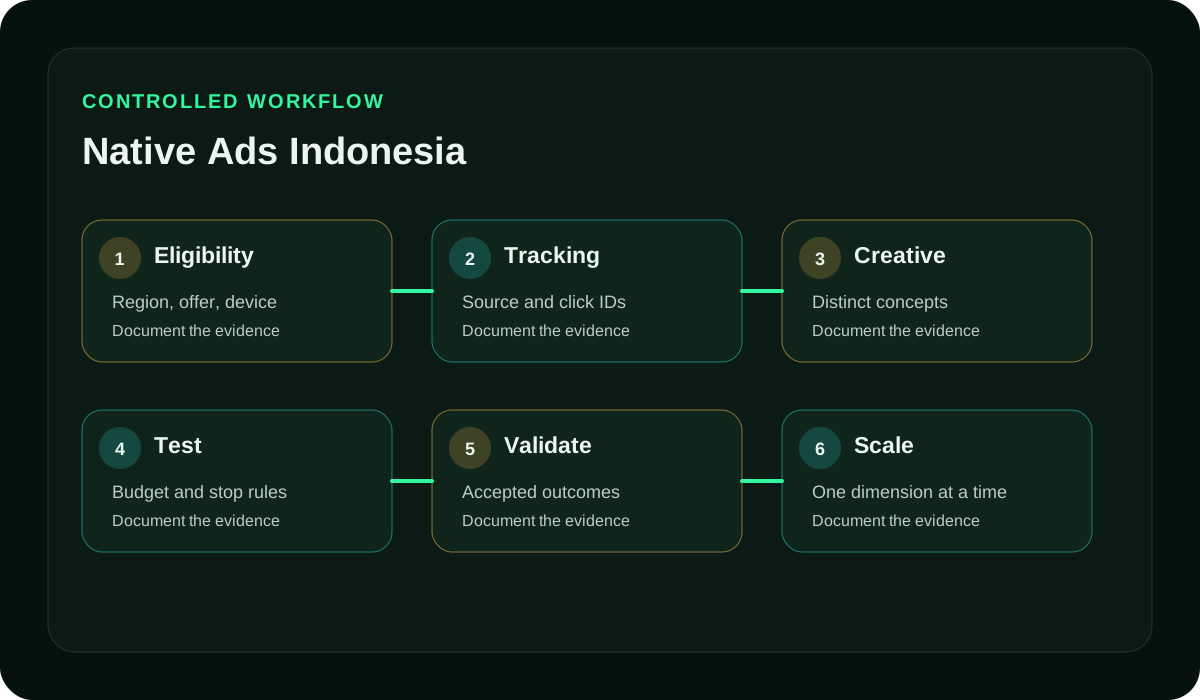
Prepare the merchant's actual served locations, complete-address requirements, kodepos review, applicable delivery terms and support route. The UPU reference helps explain address components; it does not prove merchant coverage. Keep the actual fulfilment-file version with the offer and apply the same eligibility rule when confirmed orders are reviewed.
How should Indonesian-language creative be approved?
Have a competent reviewer compare the product use, dimensions, total-price explanation and material qualifications across the versions actually used. Check that the destination and support team can honour the promise. Language review is an offer-quality task; it does not establish a national customer preference or substitute for reviewing actual market requirements.
Will every purchase expose its complete supply path?
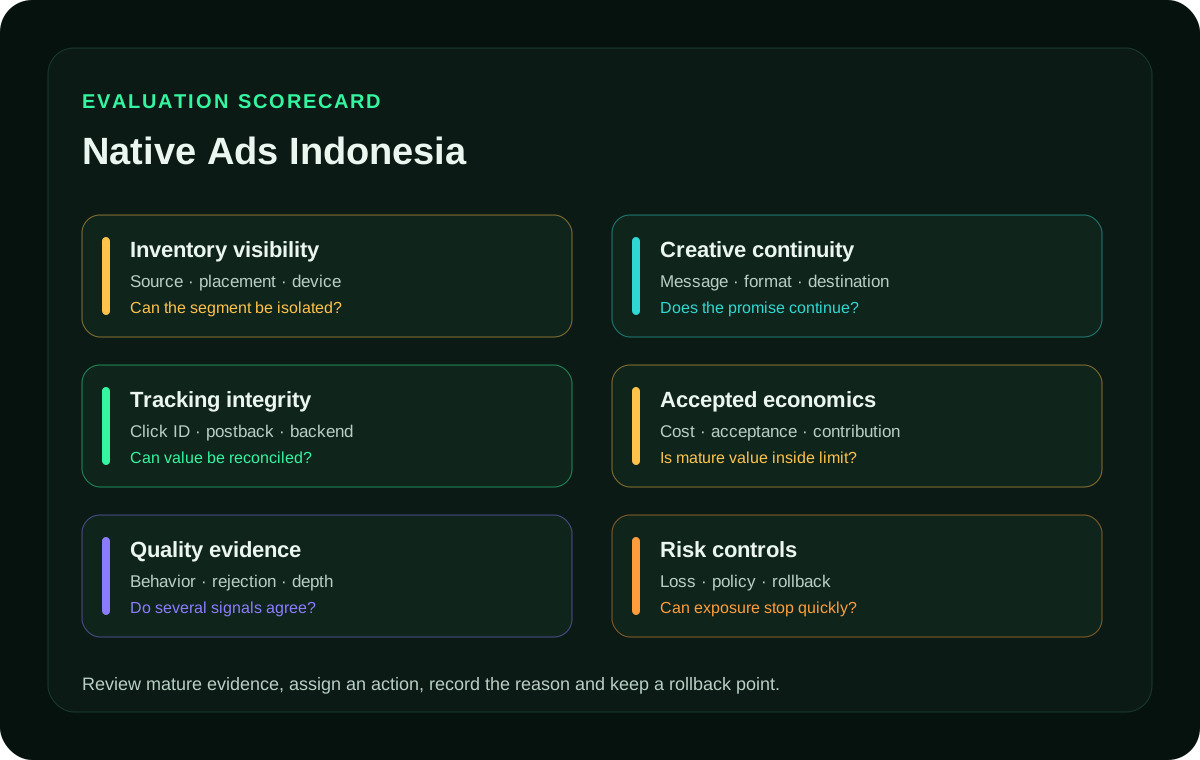
Use the source and placement observations actually available for your purchase and the permitted references retained by the implementation. A complete property, seller or transaction path may not be supplied for every order. Mark those limits and make decisions from supported evidence, rather than describing a universal source-investigation capability.
How should readers recognise the paid product introduction?
Keep the commercial label and product representation clear in the actual placement. Check legibility and presentation alongside the truthful destination. Different provider and market requirements retain their own scope; practical disclosure advice is not a legal approval. Do not imply an independent review or endorsement that the merchant has not obtained.
How should a connection or device problem be checked?
Test the actual product and order route under conditions relevant to the intended purchase. Record whether the image, form, quotation or confirmation fails and correct that part. A small test does not establish device or connection prevalence across Indonesia. Investigate the destination before assigning every abandoned attempt to the media source.
Which checkout terms should the advertisement imply?
Imply only terms the merchant actually offers and the destination explains accurately. Test the applicable final amount, payment route, confirmation and material cancellation or support conditions. Avoid promising universal free shipping or listing assumed payment methods. The customer should understand the offer being accepted before the merchant counts an eligible confirmed order.
Who should own customer-information responsibilities?
Assign actual business and technical owners to review collection, permitted use, access and retention for this offer. Seek qualified market-specific advice when obligations are uncertain. Use only campaign connections the implementation may retain. This operating recommendation is not a verified Indonesian consent procedure or a claim of automatic FroggyAds customer-system integration.
What belongs in the order-cost calculation?
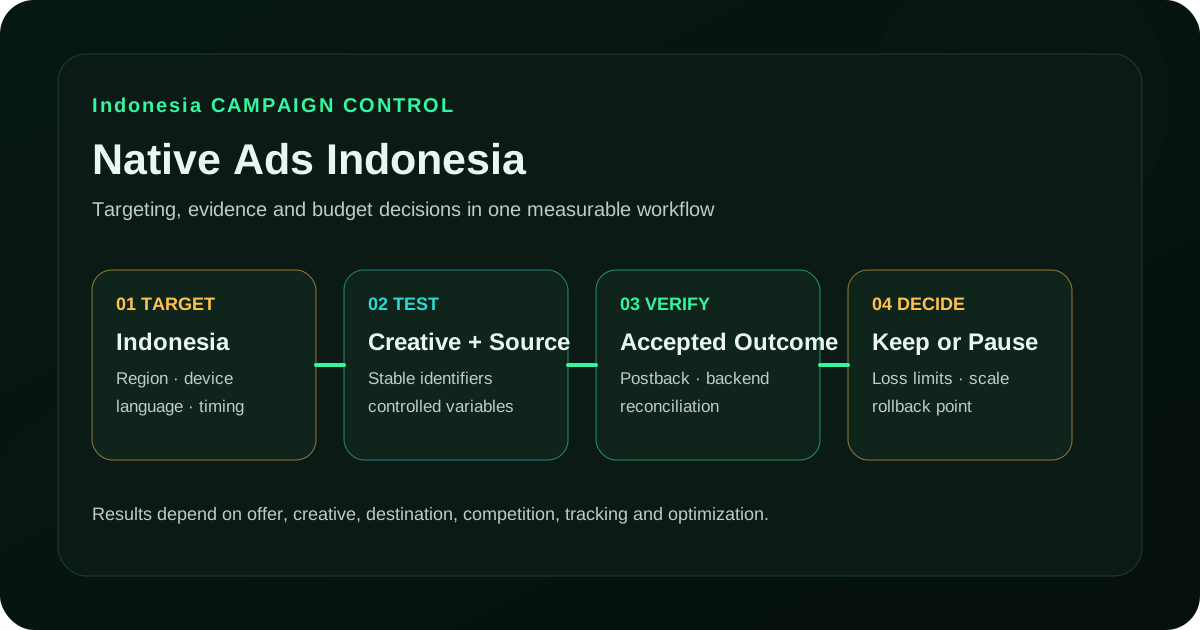
State whether expense covers media alone or actual wider acquisition costs. Count relevant product and fulfilment costs on a consistent basis when judging contribution, and retain cancellation or pending status. Compare the same eligible-order rule and observation period. A low figure built from attempts cannot be treated as the cost of confirmed or fulfilled customers.
What evidence helps investigate a customer complaint?
Retain the actual advertisement, destination and offer version, dates and available source observations, with permitted customer evidence about the disputed promise. A complaint about dimensions differs from a missing confirmation or delivery issue. Investigate that specific record without assuming every case supplies an exact placement or a proven explanation of media quality.
What should justify another Indonesia native purchase?
Continue when the offer remains accurate, the quotation and confirmation route works and reviewed orders support an affordable next allowance. Confirm capacity and review the added expense separately. FroggyAds supplies supported buying controls; the merchant verifies the address, accepted value and fulfilment. Paid traffic cannot guarantee orders, profit or future demand.