What should be defined before buying website traffic in South Africa?
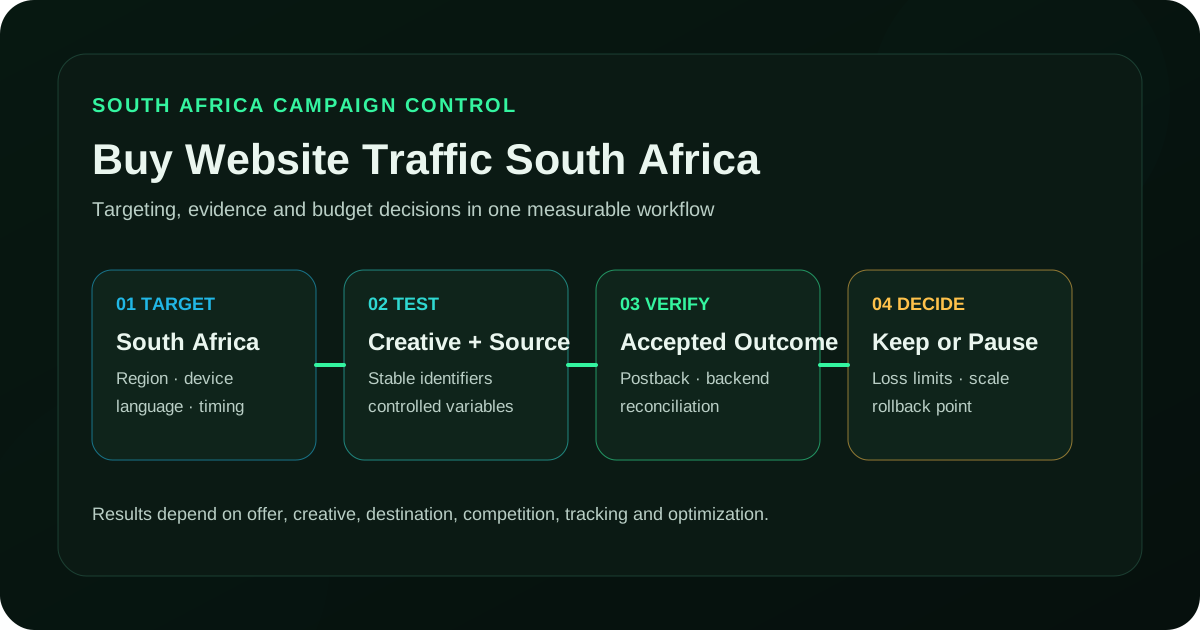
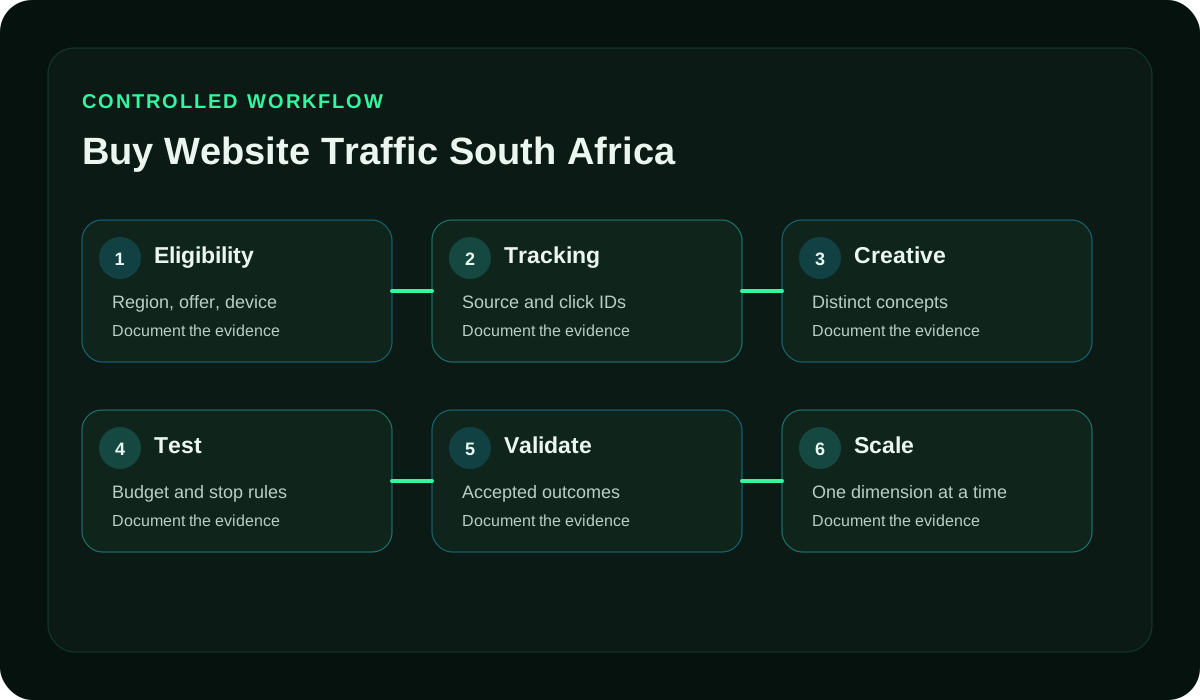
Define the served province or city, audience language, device, offer eligibility, support route and measurable outcome before launch. This keeps the first campaign cell narrow enough to verify whether the destination and service promise fit the people being targeted.
How can an advertiser verify location fit for a South African campaign?
Test the complete journey for the actual service or delivery area instead of treating a national setting as proof of coverage. Record any province, city or eligibility limits, then confirm that the landing page, checkout and customer assistance reflect them.
Why does audience language need its own campaign check?
The selected language should remain clear across the creative, landing page, form or checkout, confirmation, errors and material notices. Document why it fits the intended audience, and avoid assuming that one language represents every South African user.
What should be reviewed on a South African digital offer?
Review the accountable supplier, product or service, material terms, price and currency, payment, delivery or performance, cancellation, contact and complaint route on the actual page. Reopen that review whenever a material part of the offer changes.
How should campaign data responsibilities be documented?
Map the responsible party and each operator for click identifiers, cookies, form fields, analytics, fraud signals, postbacks and CRM records. Record the purpose, necessary fields, recipients, safeguards, retention and handling of relevant user requests before optional data is collected.
What payment evidence is useful for South African traffic?
Verify the displayed and charged currency, unavoidable fees, accepted method, authentication, failure message, confirmation, settlement evidence, reversal, refund and support route for the exact merchant and device. A payment logo alone does not prove that the journey works.
How should event timing be handled in the campaign record?
Keep delivery, support, transaction and backend acceptance times aligned with the Africa/Johannesburg time zone, while preserving the advertising account time zone when it differs. This makes duplicate windows, delayed outcomes and reporting cutoffs easier to reconcile.
Which outcome should determine whether a source is retained?
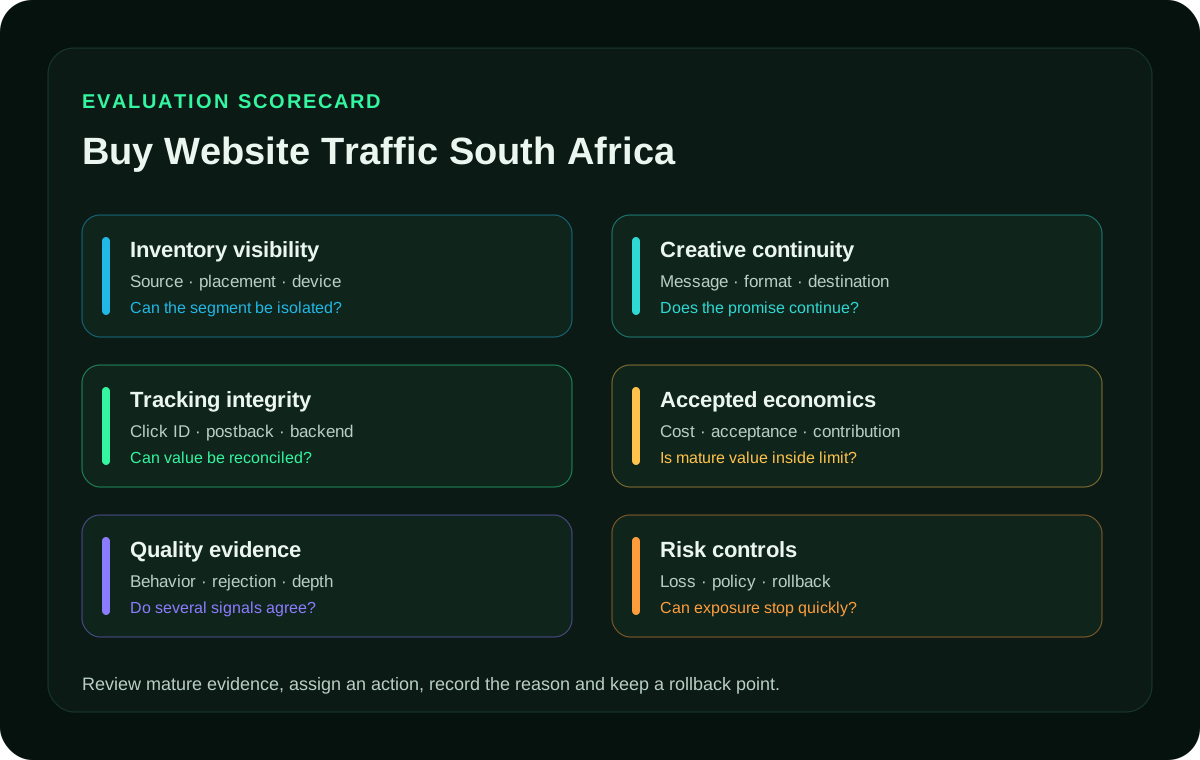
Use the advertiser's accepted backend event rather than relying on a page visit or platform conversion alone. Preserve the source identifier through consent, submission and acceptance so each source can be judged against the same commercial rule.
How can poor traffic be separated from a broken customer journey?
Log destination availability, language mismatch, offer drift, identifier loss, payment failure, backend rejection, cancellation, complaint and refund as separate states. Attach the responsible system and next test before treating one symptom as evidence about traffic quality.
When is a South African traffic cell ready to expand?
Expand only after location, language, offer, data route, payment path and accepted outcomes remain aligned through a meaningful observation period. Increase exposure in controlled steps, keep the written loss limit active and pause when the evidence can no longer be replayed.