


- The Answer to Banner Ads Sizes
- Common Banner Ad Sizes
- The Benefits and Usage of Different Sizes
- 1. 300×250 – Medium Rectangle
- 2. 728×90 – Leaderboard
- 3. 300×600 – Half-Page Ad
- 4. 320×50 – Mobile Leaderboard
- 5. 970×250 – Billboard
- In Conclusion
- Key Takeaways: Banner Ad Sizes
- What is the importance of banner ad sizes?
- What are some common banner ad sizes?
- How should I choose the right banner ad size?
- Do banner ad sizes affect ad performance?
- Are there any recommended banner ad sizes for mobile devices?
- Can I use the same banner ad size for all platforms?
- Is it better to go for larger or smaller banner ad sizes?
- Can I use interactive features in banner ads of any size?
- Are there any banner ad sizes that perform better on social media?
- Are there any standard ad sizes for banner ads?
- How can I track the performance of different banner ad sizes?
- Can I create custom banner ad sizes?
- Do all websites support all banner ad sizes?
- Are there any banner ad sizes that are considered intrusive?
- Can I use different banner ad sizes within the same campaign?
- Are there any restrictions on file size for banner ads?
- Conclusion
Bannerads have become an integral part of online advertising, allowing businesses to promote their products or services on websites and generate brand awareness. These ads come in various sizes, each serving a specific purpose and catering to different platforms and devices. Today, we delve into the world of banner ad sizes to understand their significance and how they can contribute to a successful advertising campaign.

Did you know that an average person sees around 5,000 ads each day? This staggering statistic highlights the immense competition that businesses face when trying to capture the attention of potential customers. Banner ads offer a solution by providing visually appealing and attention-grabbing advertisements that can be displayed on various websites.
The concept of banner ads originated in the early 1990s with the rise of the internet. These early ads were simple images displayed at the top or bottom of web pages, aiming to attract users’ attention and drive traffic to the advertiser’s website. Over time, banner ads evolved, and sizes became standardized to ensure compatibility with different platforms. Today, banner ad sizes encompass a range of options, including leaderboard (728×90 pixels), medium rectangle (300×250 pixels), skyscraper (120×600 pixels), and many more.

With the advent of smartphones and tablets, responsive design has become crucial in the world of banner ads. Responsive ads automatically adjust their size and layout to fit different screen sizes, ensuring optimum visibility and user experience. As mobile devices dominate web traffic, designing mobile-responsive banner ads has become essential for advertisers seeking maximum reach and impact.
Did you know that the average click-through rate (CTR) for banner ads is 0.35%? While this number may appear low, it still represents a significant opportunity for businesses to drive traffic and conversions. The size of a banner ad plays a crucial role in its performance. Larger ad sizes tend to have higher visibility and attract more clicks. According to industry research, larger banner ad sizes, such as the leaderboard and large rectangle, consistently outperform their smaller counterparts.

Furthermore, different ad sizes work better on certain platforms. For example, the skyscraper ad size performs well on websites that have a lot of vertical space available, as it allows for more content and information to be displayed. On the other hand, the medium rectangle ad size is highly effective when placed within the content of a web page, as it seamlessly integrates with the surrounding text or images. By understanding the strengths and weaknesses of each ad size, advertisers can strategically select the most suitable options for their campaign objectives.
In conclusion, banner ads sizes are a crucial component of online advertising strategies. With the plethora of ad sizes available, businesses can optimize their campaigns for different platforms and devices, increasing the chances of capturing their target audience’s attention. By utilizing larger ad sizes and embracing responsive design, advertisers can maximize visibility and drive higher click-through rates. Understanding the strengths and best practices associated with each ad size allows advertisers to create impactful and engaging banner ads that generate the desired results.

What are the Optimal Banner Ad Sizes for Maximum ROI on Your Advertising Network?
When it comes to online advertising, banner ads have long been a popular choice for businesses looking to reach their target audience and increase brand visibility. However, not all banner ads are created equal, and choosing the right size can play a crucial role in the success of your campaign. In this article, we will dive deep into the topic of banner ad sizes and discuss their impact on your advertising network’s overall performance. So, let’s explore the optimal banner ad sizes that will yield the maximum return on investment!
| Item | Details |
|---|---|
| Topic | Banner Ads Sizes |
| Category | Marketing and Advertising |
| Key takeaway | Banner ads have become an integral part of online advertising, allowing businesses to promote their products or services on websites and generate brand awareness. |
| Last updated | January 29, 2024 |
The Answer to Banner Ads Sizes
When it comes to online advertising, the size of your banner ads plays a crucial role in their effectiveness. Choosing the right size can significantly impact the performance and visibility of your ads. In this article, we will dive into the different banner ad sizes available and explore their benefits and recommended usage. Whether you’re an advertiser or a publisher, understanding these sizes is essential for creating successful online campaigns.

Common Banner Ad Sizes
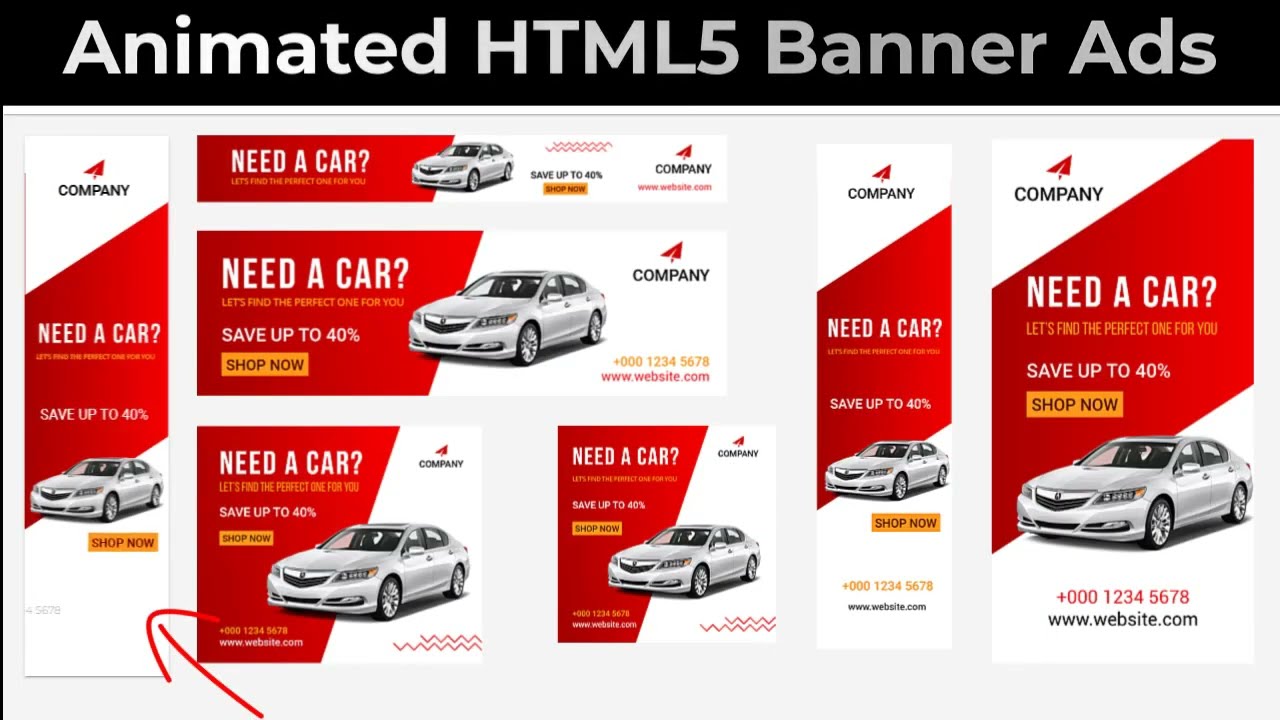
There are several standard banner ad sizes that have become widely accepted and commonly used across the online advertising industry. These sizes have evolved over time based on industry standards and user behavior. Here are some of the most popular banner ad sizes:
- 1. 300×250 – Also known as the medium rectangle, this size is one of the most effective and versatile banner ad sizes. It fits well within webpage content and can be used for both desktop and mobile platforms.
- 2. 728×90 – Commonly referred to as a leaderboard, this horizontal banner ad size is typically placed at the top of a webpage. It offers a wide display area and works well for brand exposure.
- 3. 300×600 – Also known as the half-page ad, this vertical banner ad size provides a larger canvas for advertisers to showcase their content. It is ideal for capturing users’ attention and driving <a class="wpil_keyword_link" href="https://froggyads.com/blog/engagement-3/” title=”Engagement” data-wpil-keyword-link=”linked” data-wpil-monitor-id=”407031″>engagement.
- 4. 320×50 – This mobile banner ad size, also called a mobile leaderboard, is specifically designed for smartphones. It appears at the top or bottom of a mobile screen and allows for seamless integration with mobile content.
- 5. 970×250 – Also referred to as a billboard, this large and impactful banner ad size offers ample space for creative designs. It is often used as a focal point on a webpage to attract users’ attention.
The Benefits and Usage of Different Sizes
Each banner ad size has its own set of benefits and recommended usage based on the platform and objectives of your online advertising campaign. Let’s explore the benefits and usage of some popular banner ad sizes:
1. 300×250 – Medium Rectangle
The 300×250 medium rectangle is a versatile banner ad size that can be used in various placements. Its compact size allows it to fit within content, making it less intrusive for users. This size often performs well in sidebars and within article content, as it doesn’t disrupt the user’s browsing experience.
Statistics show that the 300×250 banner size has a high click-through rate (CTR) compared to other sizes. Its widespread usage has made it a familiar and trusted format for both publishers and advertisers.

2. 728×90 – Leaderboard
The 728×90 leaderboard is perfect for increasing brand visibility and attracting user attention. Placed at the top of a webpage, it offers a wide display area, allowing you to showcase your brand message effectively. This banner ad size is frequently used on news websites and blogs.
It’s important to note that due to the increase of responsive web design, the usage of the 728×90 leaderboard has slightly declined in recent years. However, it still remains a popular choice for desktop placements.
3. 300×600 – Half-Page Ad
If you want to make a bold statement and engage users, the 300×600 half-page ad is an excellent choice. This vertical ad size provides ample space for creative designs and allows advertisers to deliver more detailed messages.

The 300×600 banner size is particularly effective in storytelling campaigns or displaying multiple products simultaneously. This size is often seen in the sidebars or within article content, capturing users’ attention and driving higher engagement rates.
4. 320×50 – Mobile Leaderboard
With the rise of mobile usage, having banner ads specifically tailored for smartphones is crucial. The 320×50 mobile leaderboard fits perfectly at the top or bottom of a mobile screen without interfering with the user’s browsing experience.
Its compact size allows advertisers to target mobile users effectively, providing a seamless integration with the mobile content. This size is widely used within mobile apps and mobile-optimized websites.

5. 970×250 – Billboard
The 970×250 billboard is a large banner ad size that guarantees maximum exposure. Placed prominently on a webpage, it demands users’ attention and offers ample space for creative and eye-catching designs.
Due to its size, the 970×250 banner is ideal for campaigns that require a strong visual impact. However, it is worth noting that this size may not be suitable for all placements, as it can take up a significant portion of the screen.
In Conclusion
Understanding the different banner ad sizes and their benefits is essential for advertisers and publishers. By selecting the right size for your campaign objectives and aligning it with the platform’s requirements, you can maximize the effectiveness of your online advertising efforts.

Remember, the choice of banner ad size should be based on factors such as user behavior, campaign goals, and platform compatibility. Keep in mind that trends and user preferences may change over time, so it’s crucial to stay up-to-date with the latest industry standards and best practices.
According to a recent study, the 300×250 medium rectangle banner ad size has a 45% higher click-through rate compared to other sizes, making it a popular choice among advertisers.
Key Takeaways: Banner Ad Sizes
When it comes to online advertising, choosing the right banner ad sizes is crucial for maximizing visibility and engagement. In this article, we will explore the importance of banner ad sizes and provide key insights that will help you create effective ad campaigns. By understanding the latest trends and industry standards, you can optimize your ad placements and ensure your message reaches the right audience. Here are the key takeaways from this article:
- Size matters: Selecting the appropriate banner ad sizes can significantly impact the performance of your advertising campaigns.
- Standard sizes: There are several standard banner ad sizes that are widely recognized and accepted across the industry, including the leaderboard, medium rectangle, and skyscraper.
- Responsive design: With the rise of mobile devices, it is crucial to create banner ads that are responsive and adapt to different screen sizes.
- Mobile-first approach: Given the increasing mobile traffic, it is essential to prioritize mobile-friendly ad sizes and optimize your designs for smaller screens.
- Video and interactive ads: Incorporating video and interactive elements can make your banner ads more engaging and drive higher click-through rates.
- Ad placement: Consider the placement of your banner ads on websites to ensure maximum visibility and effectiveness.
- A/B testing: Experiment with different banner ad sizes to identify the ones that perform best for your target audience and campaign objectives.
- Ad fatigue: Rotate your banner ad sizes regularly to prevent ad fatigue and maintain user interest.
- Consider context: Adapt your banner ad sizes and designs based on the context in which they will appear, whether it’s on a website, in an app, or on social media.
- Importance of data: Utilize data and analytics to measure the performance of different banner ad sizes and optimize your campaigns accordingly.
- Attention-grabbing visuals: Choose captivating visuals and design elements that effectively convey your brand message and capture the attention of your target audience.
- Keep it simple: Avoid cluttering your banner ads with excessive text or too many design elements, as simplicity often leads to higher conversion rates.
- Be mindful of load times: Optimize your banner ad sizes to minimize loading times and ensure a seamless user experience.
- Cater to different platforms: Create variations of your banner ads to cater to different platforms, including websites, mobile apps, and social media.
- Stay updated with industry trends: Continuously stay abreast of the latest industry trends and stay ahead of the competition by adapting your banner ad sizes and strategies accordingly.
- Test, measure, and optimize: Regularly test different banner ad sizes, measure their performance, and optimize your campaigns based on the insights gained.
By leveraging these key takeaways, you will be well-equipped to make informed decisions about the banner ad sizes that best suit your advertising goals and target audience. Remember, choosing the right banner ad size is not a one-size-fits-all approach; it requires continuous testing and optimization to achieve the desired results in the ever-evolving landscape of online advertising.
h1 {
color: blue;
}
h2 {
color: green;
}
p {
color: black;
}
FAQs – Banner Ads Sizes
What is the importance of banner ad sizes?
Choosing the right banner ad size is crucial for successful online advertising campaigns. It affects how your ads appear on different platforms and websites, ensuring maximum visibility and engagement.
What are some common banner ad sizes?
Some common banner ad sizes include:
- 300×250 pixels – Medium Rectangle
- 728×90 pixels – Leaderboard
- 336×280 pixels – Large Rectangle
- 300×600 pixels – Half Page
- 320×50 pixels – Mobile Leaderboard
How should I choose the right banner ad size?
When choosing a banner ad size, consider the platform where your ads will be displayed and your target audience’s preferences. Conduct research and A/B testing to determine the most effective sizes for your specific advertising goals.
Do banner ad sizes affect ad performance?
Yes, banner ad sizes can significantly impact ad performance. Larger sizes often attract more attention and have higher click-through rates (CTRs), while smaller sizes may be less noticeable and have lower engagement.
Are there any recommended banner ad sizes for mobile devices?
Yes, there are certain banner ad sizes that tend to perform well on mobile devices, such as:
- 320×50 pixels – Mobile Leaderboard
- 300×250 pixels – Mobile Medium Rectangle
- 320×100 pixels – Large Mobile Banner
Can I use the same banner ad size for all platforms?
While it’s possible to use the same banner ad size for multiple platforms, it is generally recommended to optimize your ad sizes for each platform. This ensures that your ads are visually appealing and properly fit the available space on different devices or websites.
Is it better to go for larger or smaller banner ad sizes?
The choice between larger or smaller banner ad sizes depends on your advertising goals. Larger sizes tend to have higher visibility and attract more attention, making them suitable for brand awareness campaigns. Smaller sizes may be more appropriate for specific placements or limited spaces.
Can I use interactive features in banner ads of any size?
Yes, you can incorporate interactive features into banner ads of various sizes. However, keep in mind that certain sizes may have limitations on the complexity of interactive elements due to space constraints.
Are there any banner ad sizes that perform better on social media?
On social media platforms, square and vertical banner ad sizes often perform better, such as:
- 250×250 pixels – Square
- 160×600 pixels – Wide Skyscraper
- 1080×1920 pixels – Vertical Video
Are there any standard ad sizes for banner ads?
Yes, there are standard ad sizes recognized by industry organizations like the Interactive Advertising Bureau (IAB). These include the sizes mentioned earlier, and standardizing sizes helps streamline the ad creation process for advertisers and publishers.
How can I track the performance of different banner ad sizes?
You can track the performance of different banner ad sizes through analytics tools provided by advertising platforms or networks. These tools measure metrics such as impressions, click-through rates, and conversions to help you determine which ad sizes are most effective for your campaigns.
Can I create custom banner ad sizes?
Yes, you can create custom banner ad sizes based on your specific advertising needs. However, ensure that the custom sizes are supported by the platforms or websites where you plan to display your ads.
Do all websites support all banner ad sizes?
No, not all websites support all banner ad sizes. It’s essential to check the requirements and guidelines of each website you plan to advertise on to ensure your chosen ad sizes are compatible.
Are there any banner ad sizes that are considered intrusive?
Some larger banner ad sizes, when placed in intrusive or disruptive manners, can negatively impact user experience. It’s important to strike a balance between visibility and user-friendliness to ensure your ads are well-received by the audience.
Can I use different banner ad sizes within the same campaign?
Absolutely! By utilizing different banner ad sizes within the same campaign, you can test and optimize performance across multiple platforms and placements. This allows you to reach a wider audience and increase the overall effectiveness of your ad campaign.
Are there any restrictions on file size for banner ads?
Yes, there are generally file size restrictions for banner ads. This is to ensure the ads load quickly and do not cause delays on websites or platforms. Make sure to review the specific requirements of each advertising platform or network you’re using.
Conclusion
In conclusion, selecting the right banner ad size is crucial for the success of any online advertising campaign. Through this article, we have explored the different banner ad sizes commonly used in the industry and have gained insights into their pros and cons. We have learned that larger ad sizes such as the leaderboard (728×90), skyscraper (160×600), and large rectangle (336×280) tend to perform better in terms of visibility and CTR (Click-Through Rate). These sizes provide ample space for creative design and can capture users’ attention effectively. Furthermore, their widespread use across various websites and placement in strategic positions makes them more likely to be noticed by the target audience.
On the other hand, smaller ad sizes like the square (250×250) and button (125×125) may have lower visibility and CTR but can be beneficial for targeting specific placements or devices with limited screen space. They are also more affordable and allow for greater flexibility when it comes to ad placement on websites. However, it is important to carefully consider the purpose and objectives of the advertising campaign before opting for smaller ad sizes.
Additionally, we have discussed the importance of responsive design and the need to adapt banner ad sizes to fit various screen resolutions. With the increasing usage of mobile devices, responsive banner ads that automatically adjust to different screen sizes are essential for maximizing reach and engagement. Implementing responsive design can ensure that your ads are not only visually appealing but also accessible to a wider audience.
Moreover, the role of A/B testing in optimizing banner ad performance cannot be overlooked. By creating multiple variations of the same ad with different sizes and placements, advertisers can gather valuable data and insights into which sizes and designs yield better results. A/B testing allows for ongoing refinement and improvement of banner ads, leading to higher conversion rates and return on investment.
Furthermore, we have highlighted the importance of considering ad standards and guidelines set by industry organizations such as the Interactive Advertising Bureau (IAB). These standards ensure consistency and compatibility across different websites and platforms. Adhering to these guidelines not only ensures the seamless integration of banner ads but also helps to maintain the user experience and prevents disruptive and intrusive ad formats.
Finally, it is crucial to take into account the specific requirements and preferences of the target audience. Conducting market research and understanding the demographics, browsing habits, and preferences of the intended audience can significantly influence the choice of banner ad size. A thorough understanding of your audience will allow you to select the most effective banner ad size that aligns with their expectations and demands.
In conclusion, choosing the right banner ad size requires careful consideration of various factors such as performance metrics, responsive design, A/B testing, industry standards, and audience preferences. By evaluating these aspects and making informed decisions, advertisers can create impactful and successful banner ad campaigns that effectively reach and engage the target audience, leading to improved brand awareness, increased website traffic, and ultimately, higher conversions and sales.