


- Key Takeaways – Adwords Account Structure
- 1. Importance of a well-structured Adwords account
- 2. Organizing campaigns by goals
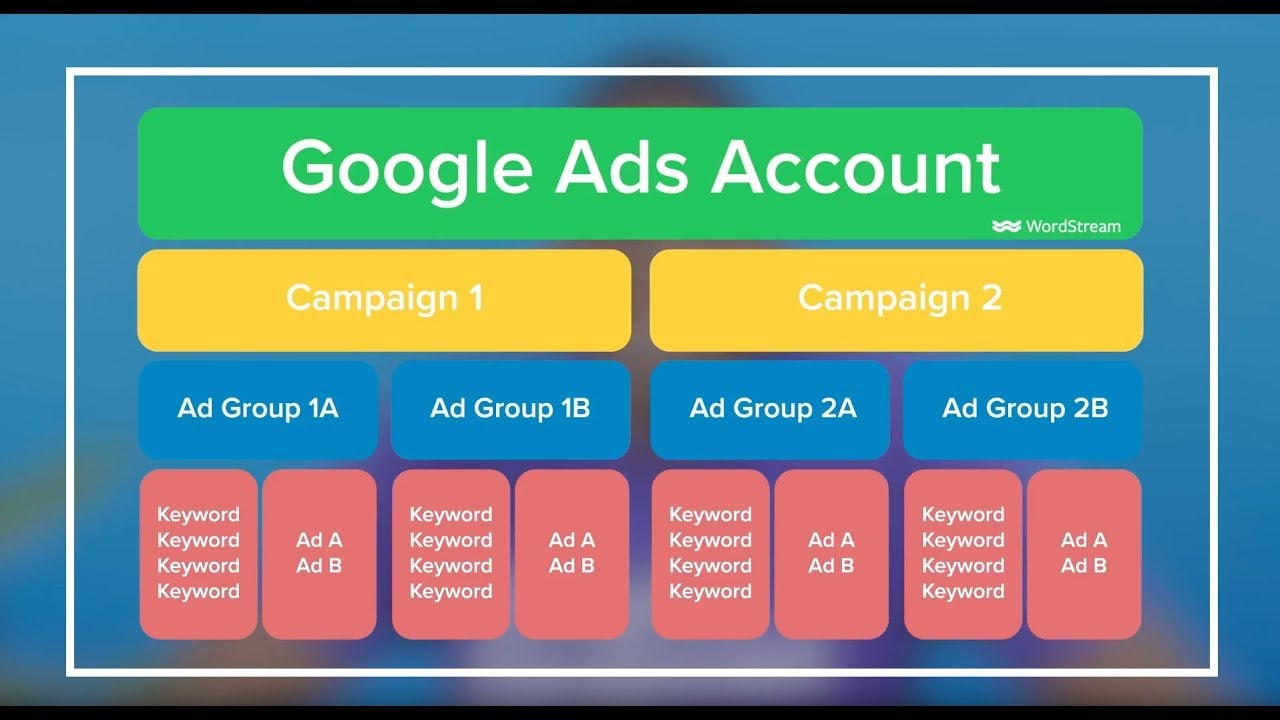
- 3. Utilizing campaign and ad group hierarchy
- 4. Implementing a granular keyword strategy
- 5. Importance of negative keywords
- 6. Ad extensions for enhanced visibility
- 7. Effective ad scheduling
- 8. The significance of mobile optimization
- 9. Remarketing for increased conversions
- 10. Tracking and analyzing campaign performance
- 11. Ad testing and optimization
- 12. Ad group and campaign naming conventions
- 13. Adwords Editor for bulk editing
- 14. Regular maintenance and optimization
- 15. Stay updated with industry changes and best practices
- FAQs about Adwords Account Structure
- 1. What is Adwords?
- 2. How does Adwords work?
- 3. What is an Adwords account structure?
- 4. What are campaigns in Adwords?
- 5. What is an ad group?
- 6. How should I structure my campaigns?
- 7. How many ad groups should I have in a campaign?
- 8. How can I optimize my ad groups?
- 9. Should I use broad match or exact match keywords?
- 10. Can I change my campaign structure once it’s set up?
- 11. Should I use separate campaigns for different devices?
- 12. How can I track the performance of my campaigns?
- 13. How should I allocate my budget across campaigns?
- 14. Can I use location targeting in Adwords?
- 15. What are some best practices for Adwords account structure?
- Conclusion
Google AdWords is a powerful online advertising service that allows businesses to create and display ads across a wide range of platforms, including search engines, websites, and mobile apps. To make the most of this advertising service, businesses need to structure their AdWords accounts effectively. AdWordsAccount Structure refers to the organization of campaigns, ad groups, and keywords within an AdWords account. By adhering to a well-structured account, businesses can improve the performance and effectiveness of their ads, leading to higher click-through rates, better quality scores, and more conversions.

AdWords Account Structure has evolved significantly since its inception, adapting to the changing needs and demands of online advertising. In the earlier days, AdWords accounts were organized around campaigns, with all ads and keywords grouped together. However, this approach proved to be inefficient and challenging to manage, especially for businesses with large advertising budgets or multiple products and services. As a result, Google introduced the concept of ad groups, allowing businesses to organize their ads and keywords into more specific groups within campaigns.
The introduction of ad groups brought a newfound flexibility to AdWords Account Structure. Businesses could now segment their ads and keywords based on specific themes, products, or target audiences, allowing for greater control over advertising performance. This segmentation enables businesses to create more relevant ads and tailor their messaging for different customer segments. For example, an online clothing retailer can create separate ad groups for men’s and women’s clothing, enabling them to craft targeted ads and utilize specific keywords for each category, improving the chances of attracting their desired audience.

A well-structured AdWords account also provides an opportunity to improve the efficiency and effectiveness of ad spend. By grouping related keywords together within ad groups, businesses can create highly targeted campaigns that align with their marketing objectives. This approach increases the chances of showing ads to customers who are more likely to convert, reducing the click wastage and increasing the return on investment. In fact, businesses that structure their AdWords accounts effectively can see a 20-30% increase in click-through rates, resulting in higher quality scores and lower cost-per-click.
Furthermore, a well-organized AdWords account structure simplifies the management and optimization of ads. With a clear hierarchy of campaigns, ad groups, and keywords, businesses can easily identify underperforming ads or keywords and make the necessary adjustments. By regularly monitoring and optimizing their account structure, businesses can identify trends, make data-driven decisions, and ultimately improve the performance of their online advertising campaigns.

In an increasingly competitive digital landscape, where businesses are vying for the attention of consumers, AdWords Account Structure plays a crucial role in maximizing the effectiveness of online advertising. By organizing campaigns, ad groups, and keywords strategically, businesses can create highly relevant ads, improve click-through rates, reduce wasted spend, and drive more conversions. With the ever-changing nature of online marketing, maintaining a well-structured AdWords account is not a one-time task, but an ongoing process that requires continuous monitoring, optimization, and adaptation to ensure optimal results.
| Item | Details |
|---|---|
| Topic | Adwords Account Structure |
| Category | Online marketing |
| Key takeaway | Google AdWords is a powerful online advertising service that allows businesses to create and display ads across a wide range of platforms, including search engines, websites, and m |
| Last updated | April 27, 2026 |
Key Takeaways – Adwords Account Structure
Adwords Account Structure is a crucial component of any successful online advertising campaign. By organizing your Adwords account in a strategic way, you can effectively target your audience, optimize your campaigns, and maximize your return on investment. In this article, we will explore the key takeaways related to Adwords Account Structure that will help you achieve your advertising goals.

1. Importance of a well-structured Adwords account
A well-structured Adwords account is the foundation of a successful advertising campaign. It enables you to easily manage your campaigns, measure their performance, and make informed decisions based on data.
2. Organizing campaigns by goals
By organizing your campaigns based on specific goals, such as brand awareness, lead generation, or sales, you can create targeted ad groups and keywords that align with each objective. This approach helps you effectively allocate your budget and measure the success of each campaign.

3. Utilizing campaign and ad group hierarchy
Creating a hierarchical structure for campaigns and ad groups allows you to easily manage and optimize your account. By aligning your campaigns and ad groups with your business objectives, you can control your budget spend and focus on the most important areas of your advertising strategy.
4. Implementing a granular keyword strategy
A granular keyword strategy involves grouping similar keywords together in tightly themed ad groups. This approach allows you to create highly targeted ads and landing pages, improving your ad relevancy and quality score.
5. Importance of negative keywords
Negative keywords help you exclude irrelevant search terms from triggering your ads. By continually monitoring and adding negative keywords to your campaigns, you can ensure your ads are shown to the most relevant audience, eliminating wasteful ad spend.
6. Ad extensions for enhanced visibility
Utilizing ad extensions, such as sitelinks, callouts, or structured snippets, can significantly enhance the visibility and appeal of your ads. These additional snippets of information provide more context to users, increasing the chances of them clicking on your ads.

7. Effective ad scheduling
By analyzing your campaign data and understanding the time of day or week when your target audience is most active, you can schedule your ads to appear at the optimal times. This allows you to maximize your ad exposure while minimizing wasted impressions.
8. The significance of mobile optimization
With the increasing use of mobile devices, it is imperative to optimize your ads and landing pages for mobile users. Ensuring that your website is mobile-friendly and implementing mobile-specific ad extensions and call-to-actions can significantly improve the performance of your campaigns.
9. Remarketing for increased conversions
Implementing remarketing strategies allows you to retarget users who have previously interacted with your website or ads. By segmenting your audience and delivering personalized ads, you can increase brand recall and encourage repeat conversions.

10. Tracking and analyzing campaign performance
Regularly tracking and analyzing the performance of your campaigns is essential to measure their success and identify areas for improvement. Utilizing tools like Google Analytics and conversion tracking can provide valuable insights to optimize your Adwords account structure.
11. Ad testing and optimization
Continuous ad testing and optimization is crucial for improving your click-through rates (CTR), ad position, and overall campaign performance. By experimenting with different ad copies, headlines, and call-to-actions, you can identify the most effective elements that resonate with your target audience.
12. Ad group and campaign naming conventions
Using consistent and descriptive naming conventions for your ad groups and campaigns makes it easier to navigate and manage your Adwords account. Furthermore, a well-structured naming convention allows you to track performance and make data-driven decisions.

13. Adwords Editor for bulk editing
Adwords Editor is a powerful tool that allows you to make bulk edits to your campaigns and ad groups offline. This saves time and enables you to efficiently make changes to your account structure without the need for individual adjustments.
14. Regular maintenance and optimization
An Adwords account structure requires ongoing maintenance and optimization to maintain its effectiveness. Regularly reviewing and updating your keywords, ad copy, and landing pages can prevent ad fatigue and ensure your campaigns are in line with your business goals.
15. Stay updated with industry changes and best practices
As the digital advertising landscape constantly evolves, it is crucial to stay updated with industry changes, new features, and best practices for Adwords account structure. Following industry blogs, attending webinars, and joining online communities can help you stay ahead of the curve and optimize your campaigns.

In conclusion, an optimized Adwords account structure is vital for achieving success in your online advertising campaigns. By implementing these key takeaways, you can drive targeted traffic, improve conversion rates, and maximize your return on investment in the ever-competitive digital marketing landscape.
FAQs about Adwords Account Structure
1. What is Adwords?
Adwords is an online advertising service provided by Google that enables advertisers to display their ads on Google’s search engine results pages and across its network of partner websites.
2. How does Adwords work?
Adwords works on a pay-per-click (PPC) model, where advertisers bid on certain keywords in order to have their ads appear in relevant search results. Advertisers only pay when someone clicks on their ad.
3. What is an Adwords account structure?
Adwords account structure refers to the way you organize and group your campaigns, ad groups, and keywords within your Adwords account. It helps you manage and optimize your advertising campaigns effectively.
4. What are campaigns in Adwords?
Campaigns in Adwords are the top-level organizational units within your account. They allow you to group related ad groups and set budget and targeting settings for a specific advertising objective or theme.
5. What is an ad group?
An ad group is a subunit within a campaign that contains a set of related keywords, ads, and bids. It helps you organize your ads and target specific keywords with relevant messaging.
6. How should I structure my campaigns?
It is recommended to structure your campaigns based on specific advertising goals or themes. For example, you can create separate campaigns for different products, services, or geographic locations. This allows you to have better control over your targeting and budget allocation.
7. How many ad groups should I have in a campaign?
The number of ad groups in a campaign depends on the number of keywords and the level of granularity you want to achieve. It is generally advisable to have a reasonable number of ad groups (around 5-20) to ensure easy management and optimization.
8. How can I optimize my ad groups?
You can optimize your ad groups by creating tightly themed ad groups with relevant keywords and ads. Use ad group-level settings like bid adjustments and ad scheduling to further optimize your campaigns. Regularly review and refine your keyword list and ad copy to improve performance.
9. Should I use broad match or exact match keywords?
You can use a combination of broad match and exact match keywords depending on your advertising goals and target audience. Broad match keywords allow your ad to appear for a wider range of search queries, while exact match keywords provide more precise targeting.
10. Can I change my campaign structure once it’s set up?
Yes, you can make changes to your campaign structure in Adwords. However, it’s important to plan and strategize your changes carefully to avoid disrupting your campaign performance. Consider the potential impact on keywords, ad groups, and ads before making any major changes.
11. Should I use separate campaigns for different devices?
It is recommended to use separate campaigns for different devices (desktop, mobile, tablet) to have better control over your bidding, targeting, and ad messaging. This allows you to optimize your campaigns specifically for each device and target audiences accordingly.
12. How can I track the performance of my campaigns?
You can track the performance of your campaigns using the reporting and analytics tools provided by Adwords. Monitor metrics like impressions, clicks, click-through rate (CTR), conversion rate, and cost-per-conversion to measure the effectiveness of your ads and make data-driven decisions.
13. How should I allocate my budget across campaigns?
It is important to allocate your budget strategically based on the performance and goals of each campaign. Focus your budget on campaigns that drive the highest return on investment (ROI) and allocate more budget to campaigns with better performance and potential for growth.
14. Can I use location targeting in Adwords?
Yes, Adwords provides location targeting features that allow you to target specific geographic locations with your ads. You can target by country, region, city, or even radius targeting around a specific location. This helps you reach your desired audience in the right locations.
15. What are some best practices for Adwords account structure?
- Organize your campaigns based on specific goals or themes.
- Create tightly themed ad groups with relevant keywords and ads.
- Regularly review and refine your keyword list and ad copy.
- Use ad group-level settings like bid adjustments and ad scheduling to optimize performance.
- Allocate your budget strategically based on campaign performance and goals.
Conclusion
In conclusion, creating a well-structured Adwords account is essential for the success of online advertising campaigns. By following the best practices and strategies discussed in this article, advertisers can optimize their campaign performance, increase their quality score, and ultimately drive more relevant traffic to their websites.
The first key point to consider is the importance of organizing campaigns into relevant and tightly themed ad groups. This allows for better control over the keywords and ad messaging, resulting in more targeted and effective ads. By structuring campaigns based on specific goals or themes, advertisers can create customized ads for each ad group, ensuring that the content is relevant and appealing to the target audience.
The second key point is the significance of keyword research and selection. Advertisers should conduct thorough keyword research to identify relevant and high-performing keywords for their campaigns. By using tools such as Google Keyword Planner, advertisers can discover valuable insights about the search volume, competition, and potential cost-per-click of keywords. This research is essential for identifying the most relevant keywords to target, as well as for creating effective ad copy.
The third key point is the importance of ad group structure. Advertisers should group keywords that have similar themes or intent within the same ad group. This allows for better control over the ad messaging, as well as the ability to create targeted ad extensions. By structuring ad groups based on specific themes, advertisers can create customized ads and ad extensions that resonate with their target audience, increasing the chances of attracting clicks and conversions.
The fourth key point is the use of ad extensions to enhance the visibility and effectiveness of ads. Ad extensions provide additional information and links within the ad copy, allowing advertisers to provide more relevant information to users. By utilizing ad extensions such as sitelinks, callouts, and call extensions, advertisers can increase the visibility of their ads, improve click-through rates, and drive more conversions.
In summary, a well-structured Adwords account is crucial for the success of online advertising campaigns. By organizing campaigns into relevant ad groups, conducting thorough keyword research, implementing a logical ad group structure, and utilizing ad extensions effectively, advertisers can optimize their campaign performance and drive more relevant traffic to their websites. Following these best practices and strategies will not only improve the success of online advertising campaigns but also contribute to the overall success of an online advertising service, advertising network, or digital marketing campaign.