


- Types of Ads on Google
- 1. Search Ads
- 2. Display Ads
- 3. Video Ads
- 4. Shopping Ads
- 5. App Ads
- 6. Local Ads
- Statistical Insight
- Key Takeaways: Types Of Ads On Google
- 1. Search Ads:
- 2. Display Ads:
- 3. Video Ads:
- 4. Shopping Ads:
- 5. App Ads:
- 6. Call-Only Ads:
- 7. Local Ads:
- 8. Gmail Ads:
- 9. Responsive Ads:
- 10. Callout Extensions:
- 11. Sitelink Extensions:
- 12. Location Extensions:
- 13. Review Extensions:
- 14. Remarketing Ads:
- 15. Ad Extensions:
- FAQs for Types Of Ads On Google
- 1. What are the different types of ads available on Google?
- 2. What are search ads?
- 3. How do display ads work?
- 4. Can you tell me more about video ads?
- 5. What are shopping ads?
- 6. How do app promotion ads work?
- 7. Can I choose where my ads appear?
- 8. Which ad type is best for brand awareness?
- 9. What is the benefit of using search ads?
- 10. How can I measure the impact of my ads?
- 11. Can I run ads on specific devices?
- 12. What is the Google Display Network?
- 13. How are ads ranked on Google?
- 14. What is remarketing?
- 15. Can I advertise internationally with Google Ads?
- Conclusion
GoogleAds is a powerful online advertising service offered by Google that allows businesses, advertisers, and marketers to promote their products or services on the search engine results page and across Google’s vast network. With billions of searches conducted on Google every day, it has become an essential platform for businesses to reach their target audience and drive traffic to their websites. But what are the different types ofads on Google, and how do they help businesses achieve their advertising goals?

First of all, it’s important to understand that there is no one-size-fits-all approach when it comes to advertising on Google. Different businesses have different objectives, and Google Ads offers a variety of ad formats to cater to these diverse needs. One popular type of ad on Google is the search ad. These ads appear at the top and bottom of the search engine results page when users search for specific keywords or phrases. Search ads allow businesses to target potential customers who are actively searching for products or services related to their offerings.
A compelling element of search ads is their ability to drive high-quality traffic to a website. In fact, according to recent statistics, businesses make an average of $2 in revenue for every $1 they spend on Google Ads. This means that not only are search ads effective in reaching the right audience, but they also deliver a strong return on investment for businesses. With the ability to set specific budgets and targeting parameters, businesses can ensure that their ads are seen by the right people at the right time.

Beyond search ads, Google also offers display ads. These ads are visual and can appear on a vast network of websites, apps, and videos across the internet. The Google Display Network reaches over 90% of internet users worldwide, making it an excellent choice for businesses aiming to increase their brand visibility. Display ads can be in the form of images, videos, or engaging interactive ads, allowing businesses to showcase their products or services creatively.
An interesting fact about display ads is that they can be personalized based on user behavior and interests. Google uses advanced algorithms and machine learning to analyze user data and deliver targeted ads that are relevant to their interests and browsing habits. This personalized approach makes display ads more engaging and likely to generate higher conversion rates for businesses.

Another type of ads on Google is video ads. With the rise of video consumption online, businesses can harness the power of video to capture their audience’s attention and effectively convey their brand message. Google’s video platform, YouTube, reaches an astonishing number of users – over 2 billion logged-in monthly users. By running video ads on YouTube, businesses have the opportunity to reach a wide and highly engaged audience.
Video ads on YouTube can take different forms, such as skippable ads that viewers can skip after a few seconds. This format ensures that businesses only pay for engaged viewers, as they are charged when a viewer watches the ad beyond the skip point. Additionally, YouTube offers TrueView ads, where advertisers only pay when a viewer watches the entire ad or engages with it. This provides businesses with greater control over their advertising budget and ensures they are only paying for meaningful interactions.

In conclusion, advertising on Google offers a range of options for businesses to reach their target audience effectively. From search ads that appear on the search engine results page to display ads that can be personalized based on user behavior, and video ads that engage users on YouTube, businesses can take advantage of Google’s extensive ad network to achieve their advertising goals. By selecting the most suitable ad format and leveraging Google’s robust tracking and targeting capabilities, businesses can drive traffic, increase brand visibility, and ultimately boost their revenue.
What are the Different Types of Ads on Google? Exploring the Comprehensive Range of Advertising Solutions
Google, being the leading online advertising service, offers a myriad of advertising options to help businesses effectively reach their target audience. These various types of ads on Google cater to diverse marketing goals and budgets, ensuring every advertiser finds a suitable solution. In this article, we will dive deeper into the different types of ads offered by Google, exploring their advantages, targeting capabilities, and how they can benefit your online advertising campaigns.

Google provides a comprehensive range of advertising solutions that can be categorized into two main types: Search Network Ads and Display Network Ads.
| Item | Details |
|---|---|
| Topic | Types Of Ads On Google |
| Category | Ads |
| Key takeaway | Google Ads is a powerful online advertising service offered by Google that allows businesses, advertisers, and marketers to promote their products or services on the search engine |
| Last updated | February 28, 2026 |
Types of Ads on Google
Google, being one of the largest online advertising platforms, offers a variety of ad formats to its advertisers. These ads are designed to help businesses reach a wide audience and increase their online visibility. In this article, we will explore the different types of ads on Google and how they can benefit advertisers.
1. Search Ads
Search ads are the most common and widely recognized form of advertising on Google. These ads appear at the top of search engine results pages (SERPs) when users search for specific keywords or phrases. They are presented in a text format and are marked with the word “Ad” to indicate that they are sponsored content.
Search ads allow advertisers to target users based on their search intent. They can bid on relevant keywords and create compelling ad copy to attract potential customers. These ads are highly effective as they directly reach individuals who are actively searching for products or services related to the advertiser’s business.

2. Display Ads
Display ads are visually appealing advertisements that appear on websites within the Google Display Network (GDN). This network includes millions of websites, mobile apps, and video platforms, allowing advertisers to reach a broad audience. Display ads can be in the form of images, videos, or interactive media.
Advertisers can create visually engaging display ads to capture the attention of users while they are browsing the internet. These ads can be targeted based on factors such as demographics, interests, and behavior, making them highly relevant to the target audience. Display ads are effective in building brand awareness and driving traffic to advertisers’ websites.
3. Video Ads
Video ads are a popular format for online advertising as they can deliver engaging content to the target audience. Google offers different types of video ads, including skippable and non-skippable ads, which can be displayed on YouTube and across the Google Display Network.

Advertisers can create compelling video content to tell their brand story, demonstrate product features, or provide valuable information to users. These ads can be targeted based on factors such as demographics, interests, and viewing habits. Video ads are effective in increasing brand awareness and engagement, as they have the potential to deliver immersive and captivating experiences.
4. Shopping Ads
Shopping ads, also known as Product Listing Ads (PLAs), are designed specifically for e-commerce businesses. These ads appear on the Google search results page when users search for specific products. Shopping ads display an image of the product, along with relevant information such as price, retailer name, and product ratings.
Advertisers can create and manage shopping campaigns to promote their products effectively. These ads are highly effective in driving traffic and sales for e-commerce businesses, as they provide users with valuable information about the product before they click on the ad.

5. App Ads
App ads are designed for developers who want to promote their mobile apps on Google’s advertising platforms. These ads can appear on search results, YouTube, Google Play, and other Google Display Network properties. App ads aim to increase app installations and user engagement.
Advertisers can create app campaigns to target specific audiences based on factors such as device type, operating system, and demographics. These ads can include images, videos, or text and can be optimized for different goals, such as driving app downloads or in-app actions. App ads can help developers reach a wide audience and increase the visibility of their apps.
6. Local Ads
Local ads are designed to help businesses promote their products or services to a specific geographic location. These ads appear on Google Maps, local search results, and other relevant properties. Local ads provide users with useful information about nearby businesses, such as store hours, reviews, and directions.

Advertisers can create and manage local campaigns to target users in specific geographic areas. These ads are effective in driving foot traffic and phone calls to local businesses, making them an essential tool for brick-and-mortar establishments.
Statistical Insight
A recent study found that Google’s search ads are responsible for approximately 33% of all online advertising revenue worldwide, making them a crucial component of any online advertising strategy. With the variety of ad formats available, advertisers can tailor their campaigns to meet their specific goals and reach their target audience effectively.
Key Takeaways: Types Of Ads On Google
In this article, we will explore the various types of ads available on Google and highlight their benefits for businesses looking to promote their products or services online. Understanding these different ad formats will help advertisers make informed decisions about their digital marketing strategies and optimize their campaigns for maximum reach and conversion.
1. Search Ads:
- Search ads are the most common type of ads on Google and appear at the top of search engine results pages (SERPs).
- These text-based ads are triggered by user search queries and can be highly targeted based on keywords and geographic locations.
- By utilizing search ads, businesses can increase their visibility and drive relevant traffic to their websites.
2. Display Ads:
- Display ads are visually appealing banner ads that appear on websites within the Google Display Network (GDN).
- They can include images, videos, or interactive elements, capturing users’ attention and generating brand awareness.
- Display ads offer advanced targeting options, such as audience demographics, interests, and behavior, improving ad relevancy.
3. Video Ads:
- Video ads are ads displayed before, during, or after YouTube videos or on other video platforms within the Google Network.
- These ads allow businesses to engage with audiences through compelling video content and storytelling.
- Video ads offer various formats, including skippable, non-skippable, or bumper ads, catering to different engagement preferences.
4. Shopping Ads:
- Shopping ads are product-based ads that appear on Google’s search results pages when users search for specific products.
- These ads showcase product information, images, and prices, allowing businesses to attract potential buyers directly to their online stores.
- Shopping ads can optimize conversions and amplify sales revenue for e-commerce businesses.
5. App Ads:
- App ads are designed to promote mobile applications within the Google Play Store or on other mobile app-related sites.
- These ads help businesses increase app installations, user engagement, and drive valuable actions, such as in-app purchases or subscriptions.
- App ads can target specific devices, operating systems, or user demographics, ensuring optimized app visibility to the right audience.
6. Call-Only Ads:
- Call-only ads exclusively focus on driving phone calls to businesses by featuring their phone number prominently.
- These ads are particularly useful for service-oriented businesses that prioritize phone inquiries for sales or bookings.
- By simplifying the conversion process to a single step, call-only ads improve lead generation and increase direct customer interactions.
7. Local Ads:
- Local ads help businesses effectively reach potential customers in their geographic proximity.
- These ads appear within Google Maps or other Google properties, guiding users to nearby physical locations.
- Local ads are beneficial for brick-and-mortar businesses seeking to boost foot traffic and increase visibility in specific regions.
8. Gmail Ads:
- Gmail ads are displayed at the top of the Promotions and Social tabs in users’ Gmail inboxes.
- These ads are targeted based on a user’s email content, offering personalized product recommendations or special offers.
- Gmail ads allow businesses to interact with users directly, promoting engagement and fostering brand loyalty.
9. Responsive Ads:
- Responsive ads automatically adjust their size, appearance, and format to fit available ad spaces across various devices and platforms.
- These ads streamline ad creation and allow businesses to reach a broader audience without the need for specific ad variations.
- Responsive ads optimize performance by adapting to different ad placements, such as search results or mobile apps.
10. Callout Extensions:
- Callout extensions allow businesses to include additional text in their search ads, highlighting specific features or promotions.
- These extensions provide additional visibility and valuable information to potential customers.
- Callout extensions can improve ad performance and increase click-through rates by conveying unique selling points.
11. Sitelink Extensions:
- Sitelink extensions enable businesses to include additional clickable links in their search ads, leading users to specific pages on their websites.
- These extensions promote easier navigation, allowing users to find relevant information faster.
- Sitelink extensions improve user experience and can increase conversion rates for businesses.
12. Location Extensions:
- Location extensions display a business’s address, phone number, and Google Maps directions within their search ads.
- These extensions are essential for businesses with physical locations, directing potential customers to their stores.
- Location extensions improve ad relevance and increase foot traffic for local businesses.
13. Review Extensions:
- Review extensions allow businesses to showcase positive reviews, awards, or accolades within their search ads.
- These extensions build trust and credibility, influencing potential customers to choose their products or services.
- Review extensions can significantly impact click-through rates and conversions.
14. Remarketing Ads:
- Remarketing ads target users who have interacted with a business’s website or app in the past.
- These ads keep businesses in front of potential customers, increasing brand recall and encouraging repeat engagement.
- Remarketing ads have high conversion potential as they target audiences already familiar with a business.
15. Ad Extensions:
- Ad extensions, such as callouts, sitelinks, and location extensions, enhance the visibility and functionality of ads.
- These extensions provide additional information or options to users, making ads more engaging and informative.
- Ad extensions improve ad performance and increase the likelihood of users clicking on the ads.
By familiarizing yourself with these different types of ads on Google, you can create effective advertising campaigns that align with your business goals. Whether you want to increase website traffic, drive phone calls, boost app installations, or generate sales, Google’s diverse ad formats offer the flexibility and targeting options to reach your desired audience effectively.
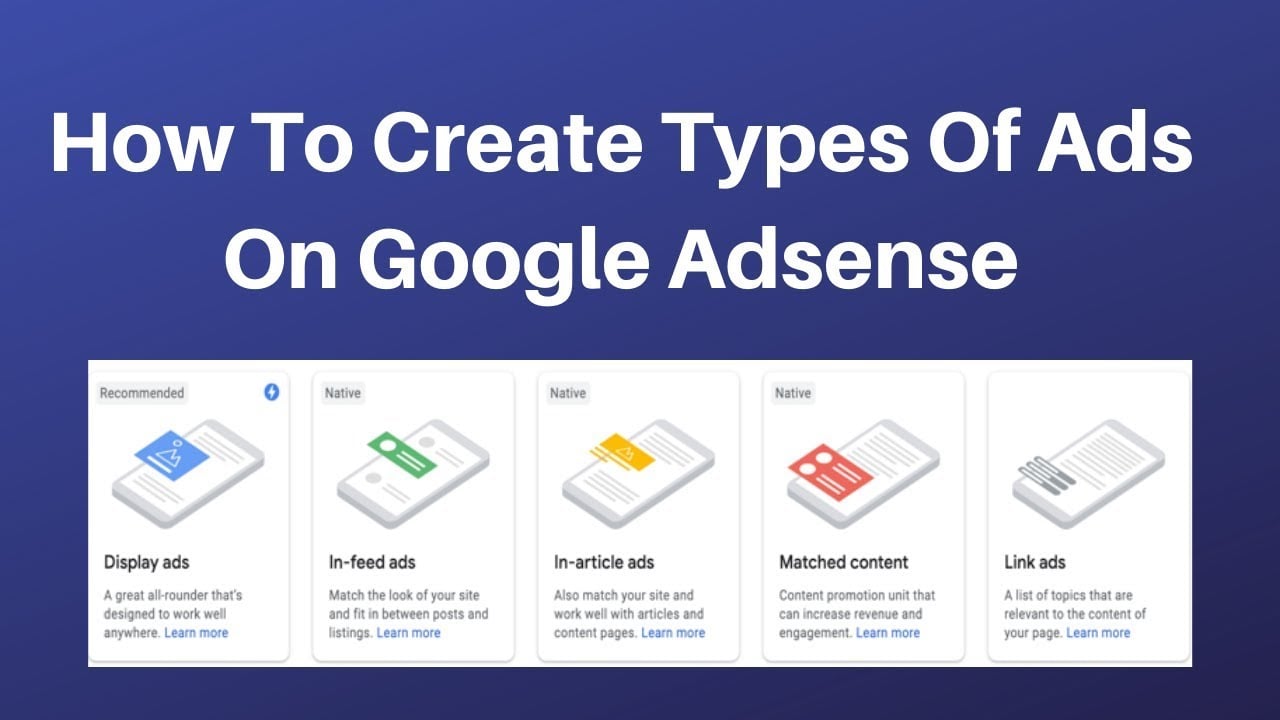
FAQs for Types Of Ads On Google
1. What are the different types of ads available on Google?
Google offers numerous types of ads, including search ads, display ads, video ads, shopping ads, and app promotion ads.
2. What are search ads?
Search ads are the text ads that appear at the top or bottom of the Google search results page when users enter specific search queries or keywords.
3. How do display ads work?
Display ads are visual advertisements that appear on websites within the Google Display Network. They can include images, videos, animations, or interactive elements to attract users’ attention.
4. Can you tell me more about video ads?
Video ads are ads that appear before, during, or after YouTube videos or within other websites and applications. They can be skippable or non-skippable and are an effective way to engage users visually.
5. What are shopping ads?
Shopping ads are product-based ads that are displayed when users search for specific product terms on Google. These ads usually include an image, price, and relevant product information.
6. How do app promotion ads work?
App promotion ads are designed to encourage users to download and engage with mobile applications. Google shows these ads across various placements like search, display, YouTube, and other partner websites.
7. Can I choose where my ads appear?
Yes, Google Ads provides extensive targeting options to choose where your ads will appear. You can select specific geographic locations, websites, mobile apps, or even exclude certain categories or placements to ensure your ads are displayed in the most relevant places.
8. Which ad type is best for brand awareness?
Display ads are often considered effective for brand awareness as they allow you to visually showcase your brand to a broad audience. These ads can increase awareness and recognition by reaching users across multiple websites and apps.
9. What is the benefit of using search ads?
Search ads allow you to target users actively searching for specific keywords, making them highly relevant and likely to convert. This ad type can drive targeted traffic to your website and boost your visibility on search engine results pages.
10. How can I measure the impact of my ads?
Google Ads provides comprehensive reporting and analytics tools that allow you to track the performance of your ads. You can measure key metrics such as impressions, clicks, conversions, and return on investment to evaluate the effectiveness of your campaigns.
11. Can I run ads on specific devices?
Yes, you can choose to run your ads on specific devices such as desktops, tablets, or mobile devices. This flexibility allows you to optimize your campaigns based on your target audience and their preferred devices.
12. What is the Google Display Network?
The Google Display Network is a network of websites, mobile apps, and video content providers where your display ads can appear. It reaches a vast audience and allows you to target specific audiences based on their interests, demographics, or topics relevant to your business.
13. How are ads ranked on Google?
Google uses a combination of factors to determine the ad ranking, including the bid amount, ad quality, and expected impact of the ad extensions and formats. The Ad Rank determines the position of your ad on the search results page.
14. What is remarketing?
Remarketing involves showing ads to people who have previously visited your website or interacted with your app. It helps you reconnect with potential customers, remind them of your brand, and encourage them to take the desired action.
15. Can I advertise internationally with Google Ads?
Absolutely! Google Ads allows you to target specific countries, regions, or even individual cities across the globe. You can reach international audiences and tailor your campaigns to suit different markets and languages.
Conclusion
In conclusion, there are several types of ads on Google that advertisers can utilize to reach their target audience. Search ads are the most common type, appearing on top of search engine results pages and blending naturally with the search query. These ads can efficiently drive traffic to a website and generate leads.
Display ads, on the other hand, provide an opportunity for advertisers to create visually compelling and engaging ads that appear on relevant websites within the Google Display Network. By using captivating images and compelling text, these ads can grab the audience’s attention and increase brand visibility.
Google Shopping ads are ideal for e-commerce businesses, as they feature product images, prices, and relevant information directly in the search results. These ads make it easy for customers to compare products and prices, leading to higher conversion rates and increased revenue.
Furthermore, video ads are rapidly gaining popularity due to their engaging nature. Whether it’s a skippable or non-skippable video ad, advertisers can effectively convey their message and capture the audience’s attention. With the rise of video platforms such as YouTube, these ads have become a powerful tool for building brand awareness and driving conversions.
Another valuable ad type offered by Google is the app promotion ads. Advertisers can promote their mobile apps across Google’s extensive network, ensuring that their target audience discovers and downloads their app easily.
Furthermore, remarketing ads allow advertisers to reach out to users who have previously interacted with their website or app. By targeting these users with personalized ads as they browse the web, advertisers can increase conversions and remind potential customers of the value their brand offers.
Google also offers sponsored content ads, which seamlessly integrate into the user’s browsing experience by appearing within news articles or blog posts. These native ads are designed to provide helpful information to users while promoting the advertiser’s content or products.
Overall, Google provides a wide range of ad formats and targeting options for advertisers to effectively reach their target audience. By utilizing the different types of ads available, advertisers can leverage Google’s extensive reach, user data, and detailed analytics to optimize their online advertising campaigns and achieve their marketing goals. Whether it’s driving website traffic, increasing brand awareness, or boosting conversions, Google’s diverse ad types cater to the needs of advertisers of all sizes and industries.