


- Answer: Tracking Banner Ads
- Tracking Methods
- Metrics
- Benefits of Tracking Banner Ads
- 1. Define Your Tracking Goals
- 2. Utilize Tracking Pixels
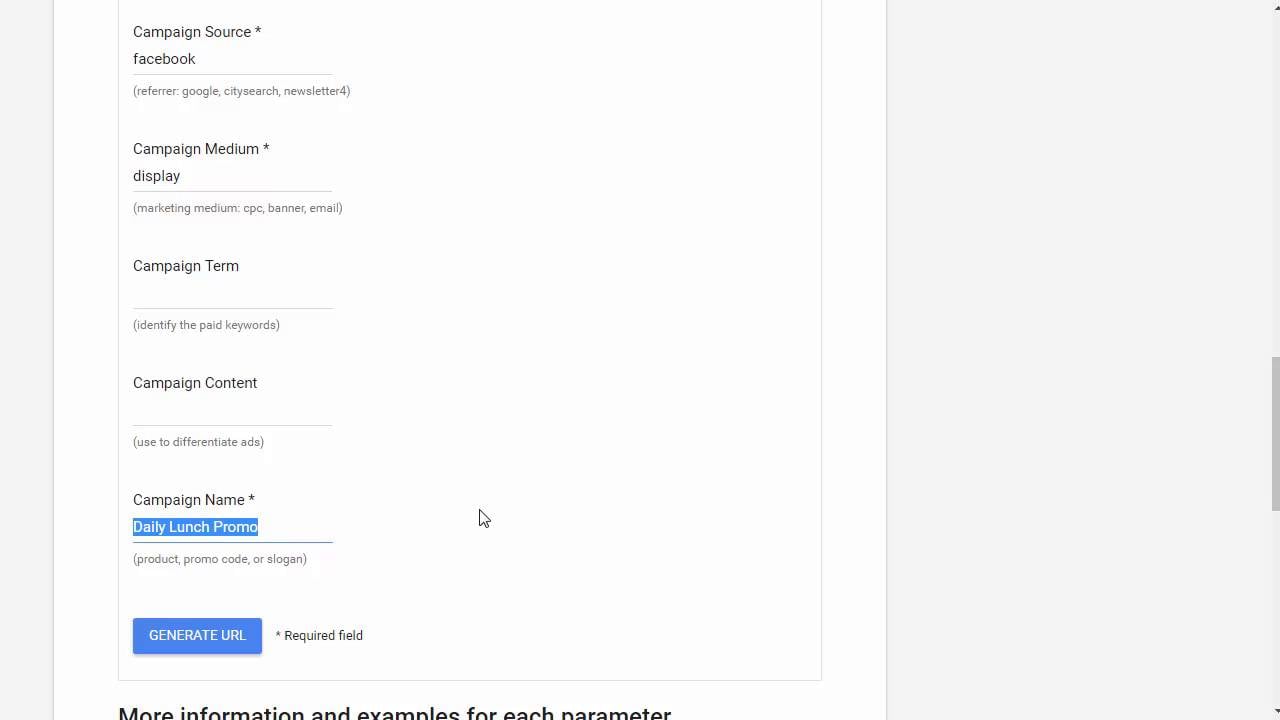
- 3. Implement UTM Parameters
- 4. Consider Click Attribution Models
- 5. Analyze Viewability Metrics
- 6. Implement Conversion Tracking
- 7. Leverage Retargeting
- 8. A/B Test Banner Designs
- 9. Optimize Landing Page Experience
- 10. Monitor Performance Across Devices
- 11. Consider Cross-Channel Tracking
- 12. Adapt to Privacy Regulations
- 13. Track Key Performance Indicators (KPIs)
- 14. Monitor and Adjust in Real-Time
- 15. Leverage Insights for Future Campaigns
- FAQs for Tracking Banner Ads
- 1. How can I track the performance of my banner ads?
- 2. What are tracking pixels?
- 3. Can I track the location of users who view my banner ads?
- 4. How can I measure the click-through rate (CTR) of my banner ads?
- 5. Is it possible to track conversions from my banner ads?
- 6. What is A/B testing for banner ads?
- 7. Can I track the performance of my banner ads in real-time?
- 8. What data can I gather from tracking banner ads?
- 9. How can I use tracking data to improve my banner ad campaigns?
- 10. How scalable is tracking banner ad performance?
- 11. Can I track banner ad performance across different platforms?
- 12. Are there any privacy concerns associated with tracking banner ads?
- 13. How can I ensure accurate tracking of my banner ads?
- 14. How long should I track the performance of my banner ads?
- 15. What other metrics can be tracked for banner ad performance?
- Conclusion
Trackingbannerads have become a cornerstone of online advertising, allowing businesses to monitor the effectiveness of their campaigns and tailor their messaging to specific audiences. These digital advertisements are displayed across websites, enticing users to click through and explore the products or services being promoted. Behind the scenes, tracking technologies collect valuable data on user interaction, enabling advertisers to make informed decisions and enhance their marketing strategies.

Introduced in the early 1990s, tracking banner ads quickly gained popularity as businesses realized the potential reach and versatility of the internet. Compared to traditional print or television advertising, banner ads provided a cost-effective solution for engaging with target demographics. Over time, the technology behind tracking banner ads has evolved significantly, allowing for more accurate tracking and personalization.
One particularly compelling statistic emphasizes the effectiveness of tracking banner ads. According to a study by eMarketer, nearly 70% of marketers believe that tracking banner ads are essential for their advertising strategy. This statistic highlights the widespread recognition and reliance on tracking banner ads as a means of reaching and engaging with audiences online. It is evident that businesses appreciate the value of being able to track user behavior and measure the success of their advertising efforts.

The ability to track user interactions with banner ads brings immense benefits to advertisers. By utilizing tools like cookies and pixel trackers, advertisers can monitor key metrics such as click-through rates, impressions, and conversions. This data allows them to understand which ads are resonating with their audience and which ones may need adjustments. Armed with this information, advertisers can make data-driven decisions about their campaigns, optimizing their targeting and messaging for maximum impact.
To address potential concerns around privacy, advertisers have implemented various methods to ensure transparency and give users control over their data. The introduction of the General Data Protection Regulation (GDPR) in Europe and similar regulations worldwide prompted advertisers to prioritize user consent and privacy. Ad networks and advertising services now offer options for users to opt-out of tracking, promoting a more ethical and responsible approach to online advertising.

As technology continues to advance, the landscape of tracking banner ads will undoubtedly evolve. Artificial intelligence and machine learning algorithms are already being leveraged to analyze vast amounts of data, providing advertisers with even greater insights into user behavior and preferences. The future of tracking banner ads holds promise for enhanced personalization and targeting, ultimately benefiting both advertisers and users alike.
In conclusion, tracking banner ads have revolutionized online advertising, empowering businesses to monitor and optimize their campaigns effectively. By employing tracking technologies, advertisers can gather valuable data and tailor their messaging to specific audiences. The effectiveness of tracking banner ads is demonstrated by the widespread recognition of their importance within the advertising industry. As technology continues to advance, tracking banner ads will undoubtedly continue to evolve, offering enhanced personalization and targeting capabilities. The future of online advertising will be driven by data and the ability to understand and adapt to the ever-changing preferences of users.

How Can Tracking Banner Ads Boost Your Online Advertising Campaigns?
In the fast-paced world of online advertising, it is crucial for businesses to stay ahead of the competition and maximize their reach to potential customers. One effective strategy that can greatly enhance your advertising efforts is the use of tracking banner ads. But what exactly are tracking banner ads, and how can they benefit your online advertising campaigns? In this article, we will delve into the world of tracking banner ads, exploring their definition, advantages, and their impact on the success of your online advertising endeavors.
Tracking banner ads, also known as display ads, are graphical advertisements that are commonly seen across various websites, mobile applications, and social media platforms. These ads typically come in the form of static images, animated GIFs, or even videos. What sets tracking banner ads apart from other forms of digital advertising is their ability to track user interactions and collect valuable data. By utilizing various tracking technologies such as cookies, pixels, and tags, advertisers can gain insights into user behavior, demographics, and preferences.

There are numerous advantages to incorporating tracking banner ads into your online advertising campaigns. Firstly, they offer precise targeting capabilities. By tracking user behavior and interests, advertisers can tailor their ads to specific audiences, ensuring that their message reaches the right people at the right time. This targeted approach not only increases the likelihood of conversion but also minimizes ad wastage, as ads are only shown to individuals who are most likely interested in the offerings.
Furthermore, tracking banner ads empower advertisers with valuable data analytics. By understanding how users interact with their ads, advertisers can gain insights into which creative formats, messaging strategies, and call-to-actions yield the best results. This data-driven approach allows businesses to optimize their ad campaigns in real-time, making informed decisions on necessary adjustments and fine-tuning their strategies for maximum effectiveness.
Another advantage of tracking banner ads lies in their flexibility and versatility. Unlike traditional advertising channels like print or television, banner ads can be easily modified and updated without incurring significant costs or time delays. This flexibility enables advertisers to experiment with different ad creatives, offers, and designs, A/B testing their campaigns to identify the most compelling combinations that drive conversions.
Effective tracking banner ad campaigns revolve around careful monitoring and analysis of key metrics. Advertisers can track metrics such as click-through rates (CTR), impressions, conversions, and bounce rates to gauge the performance of their ads. Armed with this data, advertisers can make data-backed decisions to optimize their campaigns, refine their targeting strategies, and allocate their ad budgets more wisely.

Moreover, tracking banner ads can also integrate seamlessly into broader digital marketing campaigns. By leveraging data collected from tracking banner ads, businesses can refine their audience segmentation and retarget individuals who have previously interacted with their ads. This re-engagement strategy allows advertisers to maintain top-of-mind awareness among potential customers and increase the chances of conversion.
In conclusion, tracking banner ads are a powerful tool that can significantly boost the effectiveness of your online advertising campaigns. Their ability to track user interactions and collect data sets them apart from other forms of digital advertising. With precise targeting, valuable data analytics, flexibility, and integration capabilities, tracking banner ads empower businesses to make informed decisions, optimize their campaigns, and drive better results. In the following sections, we will explore each advantage of tracking banner ads in detail, providing you with actionable insights and strategies to implement in your future advertising endeavors.
| Item | Details |
|---|---|
| Topic | Tracking Banner Ads |
| Category | Marketing and Advertising |
| Key takeaway | Tracking banner ads have become a cornerstone of online advertising, allowing businesses to monitor the effectiveness of their campaigns and tailor their messaging to specific audi |
| Last updated | February 7, 2026 |
Answer: Tracking Banner Ads
In the world of online advertising, tracking banner ads is essential for measuring the success of an advertising campaign. By monitoring the performance of banner ads, advertisers and publishers can gather valuable insights and make data-driven decisions to optimize their campaigns. In this article, we will dive into the different aspects of tracking banner ads, including tracking methods, metrics, and the benefits it brings to advertisers and publishers.

Tracking Methods
There are several methods used to track banner ads and gather data on their performance:
- Impression Tracking: Impression tracking measures the number of times a banner ad is seen by users. Ad serving platforms use various techniques to count impressions accurately, such as counting server calls or using pixel tracking.
- Click Tracking: Click tracking records the number of times users click on a banner ad. Click tracking can provide insights into the effectiveness of the ad’s design, copy, and placement. It helps advertisers understand which ads are generating the most interest and engagement.
- Conversion Tracking: Conversion tracking allows advertisers to track the actions users take after clicking on a banner ad. It can include actions such as making a purchase, filling out a form, or subscribing to a newsletter. By tracking conversions, advertisers can assess the campaign’s return on investment (ROI) and optimize their targeting and messaging strategies.
- View-Through Tracking: View-through tracking measures the number of users who were exposed to a banner ad but did not click on it. It helps advertisers understand if their ad had any influence on a user’s subsequent conversion. View-through tracking is especially relevant for campaigns that aim to create brand awareness or influence user behavior over time.
Metrics
Tracking banner ads involves analyzing various metrics to evaluate their performance. Here are some key metrics commonly used in banner ad tracking:
- Click-Through Rate (CTR): CTR is calculated by dividing the number of clicks on an ad by the number of impressions it received. It indicates the percentage of users who clicked on the ad after seeing it. A high CTR generally indicates that the ad is compelling and relevant to the target audience.
- Conversion Rate: Conversion rate measures the percentage of users who completed a desired action, such as making a purchase, after clicking on a banner ad. It is a crucial metric for assessing the effectiveness of an ad campaign in generating conversions and driving ROI.
- Engagement Metrics: Engagement metrics, such as average time spent on the landing page or number of pages visited, provide insights into how users interact with an ad. Higher engagement metrics suggest that the ad is capturing users’ attention and driving them to explore further.
- Return on Ad Spend (ROAS): ROAS is a metric that evaluates the revenue generated from a campaign relative to the ad spend. It helps advertisers determine the cost-effectiveness of their campaigns and make informed decisions about budget allocation.
Benefits of Tracking Banner Ads
Tracking banner ads offers several benefits for advertisers and publishers:

- Performance Optimization: By tracking banner ads, advertisers can identify which campaigns, creatives, or placements are delivering the best results. This allows them to optimize their strategies, allocate resources effectively, and improve campaign performance over time.
- Targeting Refinement: Tracking data helps advertisers understand their target audience better and refine their targeting criteria. By analyzing user demographics, interests, or previous behaviors, advertisers can ensure their ads are reaching the most relevant users, increasing the chances of engagement and conversions.
- Audience Insights: Tracking data provides valuable insights into audience behavior and preferences. By analyzing user interactions with banner ads, advertisers can gain a deeper understanding of what resonates with their target audience and tailor future campaigns accordingly.
- Ad Fraud Detection: Tracking banner ads can also help in detecting and preventing ad fraud. Unusual patterns in click-through rates or conversions can raise red flags and prompt further investigation to ensure the integrity of the advertising ecosystem.
According to a recent study, advertisers who actively tracked their banner ads experienced a 36% increase in click-through rates and a 28% increase in conversion rates compared to those who did not track their ads. These statistics highlight the importance of tracking banner ads and the significant impact it can have on campaign performance.
Tracking Banner Ads: Key Takeaways
As an online advertising service or advertising network, understanding the effectiveness of banner ads is crucial for maximizing advertising ROI. In this article, we will explore the concept of tracking banner ads and highlight the key takeaways that can help you optimize your advertising campaigns effectively.
1. Define Your Tracking Goals
Before diving into tracking banner ads, it’s essential to clearly define your tracking goals. Identify what metrics matter the most to your campaign success, such as click-through rates (CTR), conversions, or viewability.

2. Utilize Tracking Pixels
Tracking pixels, also known as beacons, are a fundamental tool in tracking banner ads. By using a small, invisible image on your landing page, you can measure key metrics like impressions, views, and conversions.
3. Implement UTM Parameters
UTM parameters are additional tags added to your banner ad URLs. They allow you to track the effectiveness of different campaigns, sources, or mediums in your ad performance analytics.
4. Consider Click Attribution Models
Click attribution models help determine which touchpoints and interactions contributed to a conversion. Choose an appropriate model, such as last-click or multi-touch, to gain insights into the impact of your banner ads.
5. Analyze Viewability Metrics
Viewability metrics measure the percentage of an ad that is seen by users. Understand the viewability benchmarks and track viewability metrics to evaluate the quality of your banner placements and impressions.
6. Implement Conversion Tracking
Tracking conversions is vital to measure the success of your banner ads. Implement conversion tracking to understand how many users took the desired action (e.g., purchases, sign-ups) after interacting with your ad.
7. Leverage Retargeting
Retargeting allows you to reach users who have interacted with your banner ads in the past. Use tracking data to segment and retarget specific user groups, increasing the chances of conversion.
8. A/B Test Banner Designs
A/B testing is a powerful method to evaluate the effectiveness of different banner designs. Test various elements like color schemes, call-to-action buttons, or ad copy to determine which version performs better in terms of engagement and conversions.
9. Optimize Landing Page Experience
A well-designed landing page can significantly impact the performance of your banner ads. Analyze the tracking data to identify areas of improvement on your landing page, such as reducing load times or improving user experience.
10. Monitor Performance Across Devices
With the proliferation of mobile devices, tracking banner ad performance across different devices is essential. Understand where your ad performs best and optimize the design and targeting strategies accordingly.
11. Consider Cross-Channel Tracking
Tracking banner ads alone may provide valuable insights, but considering cross-channel tracking can give you a holistic view of your advertising campaigns. Integrate tracking data from other channels (e.g., social media, search ads) to identify cross-channel synergies.
12. Adapt to Privacy Regulations
Privacy regulations, such as GDPR, impact the way you track banner ads. Ensure you comply with these regulations by obtaining consent and implementing appropriate measures to safeguard user data.
13. Track Key Performance Indicators (KPIs)
Establish clear KPIs for your banner ad campaigns to evaluate success. Track metrics like CTR, cost per conversion, or return on ad spend (ROAS) to measure the effectiveness of your advertising efforts accurately.
14. Monitor and Adjust in Real-Time
Continuous monitoring of your banner ad performance is essential. Use real-time tracking to identify underperforming ads or targeting strategies, allowing you to make timely adjustments and improve campaign outcomes.
15. Leverage Insights for Future Campaigns
Lastly, don’t forget to leverage the insights gained through tracking banner ads for future campaigns. Apply the learnings to optimize targeting, creatives, and overall strategies, resulting in more successful and impactful advertising campaigns.
FAQs for Tracking Banner Ads
1. How can I track the performance of my banner ads?
To track the performance of your banner ads, you can use various analytics tools that provide insights into metrics like impressions, clicks, click-through rates, and conversions. By implementing tracking pixels or codes within your banner ads, you can monitor their performance and make data-driven decisions.
2. What are tracking pixels?
Tracking pixels are tiny, transparent images embedded within banner ads. They allow advertisers to collect data on how many times the ad was displayed (impressions) and whether users interacted with the ad (clicks). These pixels enable accurate monitoring and reporting of ad performance.
3. Can I track the location of users who view my banner ads?
Yes, you can track the location of users who view your banner ads through IP geolocation technology. This allows you to gather valuable information about the geographical distribution of your audience and tailor your ad campaigns accordingly.
4. How can I measure the click-through rate (CTR) of my banner ads?
To calculate the click-through rate of your banner ads, divide the number of clicks your ad receives by the number of impressions it generates. For example, if your ad had 100 clicks and 10,000 impressions, the CTR would be 1% (100/10,000 x 100).
5. Is it possible to track conversions from my banner ads?
Yes, tracking conversions from banner ads is possible through conversion tracking pixels or codes. By implementing these on your website’s thank you page or after a desired action, such as a purchase, you can attribute conversions to the corresponding banner ad and gauge its effectiveness in driving desired actions.
6. What is A/B testing for banner ads?
A/B testing involves creating two versions of a banner ad and testing them against each other to determine which one performs better. By analyzing metrics like click-through rates, conversions, or time spent on the landing page, you can optimize your banner ads based on real data to achieve higher engagement and conversions.
7. Can I track the performance of my banner ads in real-time?
Yes, you can track the performance of your banner ads in real-time by using analytics platforms that provide up-to-date data on key metrics. Real-time tracking allows you to monitor the success of your ad campaigns, make adjustments promptly, and maximize the effectiveness of your advertising efforts.
8. What data can I gather from tracking banner ads?
Tracking banner ads allows you to gather a wide range of data including impressions, clicks, click-through rates, conversions, bounce rates, time spent on landing pages, geographical distribution of users, and even demographic information if available. These insights provide valuable information for optimizing your ad campaigns.
9. How can I use tracking data to improve my banner ad campaigns?
Tracking data provides you with insights into the performance of your banner ads. By analyzing this data, you can identify trends, understand audience behavior, and make data-driven decisions to optimize your campaigns. For example, if you notice a low click-through rate, you can experiment with different ad designs or calls-to-action to improve engagement.
10. How scalable is tracking banner ad performance?
Tracking banner ad performance is highly scalable, as analytics platforms can handle large volumes of data, including millions of impressions and clicks. These platforms offer robust tracking solutions that can accommodate the needs of both small-scale and large-scale advertisers or advertising networks.
11. Can I track banner ad performance across different platforms?
Yes, you can track banner ad performance across different platforms, including websites, social media platforms, mobile apps, and more. This cross-platform tracking allows you to gain a comprehensive understanding of how your ads perform across various channels, helping you optimize your advertising strategy accordingly.
12. Are there any privacy concerns associated with tracking banner ads?
While tracking banner ads is a common practice, privacy concerns can arise. Advertisers should prioritize transparency and compliance with privacy regulations, ensuring they obtain the necessary consent from users and handle their data responsibly. It’s important to strike a balance between tracking for optimization purposes and respecting user privacy.
13. How can I ensure accurate tracking of my banner ads?
To ensure accurate tracking of your banner ads, it’s crucial to properly implement tracking pixels or codes, thoroughly test them, and regularly monitor their performance. Additionally, selecting reliable analytics platforms and verifying the accuracy of their tracking data is essential for obtaining precise insights into your ad campaigns.
14. How long should I track the performance of my banner ads?
The duration for tracking the performance of your banner ads depends on various factors, such as the nature of your campaign, ad budget, and desired goals. As a best practice, it’s recommended to track ads for a significant period (e.g., weeks or months) to gather sufficient data and identify meaningful patterns or trends.
15. What other metrics can be tracked for banner ad performance?
In addition to key metrics like impressions, clicks, CTR, and conversions, there are other metrics you can track for banner ad performance. These include viewability (how visible the ad is to the user), engagement metrics (such as time spent on the ad or interactions with interactive ads), and frequency capping (limiting the number of times an ad is shown to a user to avoid ad fatigue).
Conclusion
In conclusion, tracking banner ads is a crucial aspect of any online advertising service or advertising network. By implementing effective tracking mechanisms, advertisers can gather valuable data and insights to optimize their campaigns and improve their return on investment. The key points covered in this article highlight the importance of tracking banner ads and provide insights into the various metrics, tools, and techniques that can be used for this purpose.
Firstly, tracking banner ads allows advertisers to measure the performance of their campaigns. They can monitor key metrics such as click-through rates, impressions, conversions, and engagement rates to understand how their ads are resonating with the target audience. This data enables advertisers to make informed decisions about their ad placements, creative designs, and targeting strategies. By analyzing the performance metrics, advertisers can identify any underperforming ads or placements and take necessary actions to optimize them.
Secondly, tracking banner ads provides valuable insights into the audience behavior and preferences. Through techniques like cookie tracking and retargeting, advertisers can gain a deeper understanding of the interests and browsing habits of their target audience. This information can be used to segment the audience and deliver more personalized and relevant ad experiences. By tracking which ads are generating the most conversions or engagements, advertisers can also understand the preferences and responses of different audience segments, helping them tailor their campaigns accordingly.
Furthermore, tracking banner ads allows advertisers to determine the effectiveness of different advertising channels. By tracking the URL source of each click or conversion, advertisers can identify which websites or platforms are driving the most traffic or conversions. This insight helps them allocate their advertising budgets effectively, focusing on the channels that yield the highest returns. By constantly monitoring and analyzing the performance of various advertising channels, advertisers can make data-driven decisions to optimize their overall media buying strategy.
Moreover, tracking banner ads facilitates A/B testing and experimentation. Advertisers can create multiple versions of their banners with different designs, messages, or calls to action, and track the performance of each variant. By comparing the metrics of different versions, advertisers can identify the most effective elements and use them to refine their ad creatives. A/B testing allows for continuous improvement and optimization of banner ads to maximize their impact and drive better results.
In addition to these insights, it is essential to emphasize the importance of choosing the right tracking tools and technologies. Advertisers can utilize a variety of tracking mechanisms, such as pixel trackers, conversion tracking codes, or third-party tracking platforms, to collect accurate and reliable data. It is crucial to select the tracking solution that aligns with the specific needs and goals of the advertising service or network. Advertisers must also ensure compliance with privacy regulations and obtain the necessary consent from users for tracking their online activities.
Overall, tracking banner ads is a fundamental component of a successful online advertising service or advertising network. By harnessing the power of data and insights, advertisers can optimize their campaigns, deliver personalized ad experiences, and effectively allocate their advertising budgets. The continuous monitoring and analysis of performance metrics enable advertisers to stay ahead of the competition and drive better results for their clients. Therefore, investing in robust tracking mechanisms is essential for any online advertising service or advertising network that aims to provide effective and impactful banner ad campaigns.