


- Print and Digital Marketing: A Comprehensive Guide
- What is Print and Digital Marketing?
- Print Marketing Strategies
- Digital Marketing Strategies
- Print vs. Digital Marketing: Finding the Balance
- The Power of Print and Digital Marketing: A Statistic
- Key Takeaways: Print And Digital Marketing
- FAQs for Print and Digital Marketing
- 1. What is the difference between print and digital marketing?
- 2. Which is more effective, print or digital marketing?
- 3. Can print and digital marketing be used together?
- 4. Are print media dying with the rise of digital marketing?
- 5. How can digital marketing help me reach my target audience?
- 6. What are the advantages of digital advertising over print?
- 7. Is it expensive to advertise digitally?
- 8. How do I measure the success of my digital marketing campaigns?
- 9. What types of digital marketing are available?
- 10. How can print marketing help my business?
- 11. Can I use personalized content in both print and digital marketing?
- 12. What are the challenges of print marketing in the digital era?
- 13. How can I integrate print and digital marketing effectively?
- 14. Are there any legal considerations in digital marketing?
- 15. Should I solely rely on print or digital marketing?
- Conclusion
Print and digitalmarketing are two dominant forms of advertising that have revolutionized the way businesses reach their target audiences. While printmarketing primarily refers to traditional methods such as newspaper ads, brochures, and billboards, digitalmarketing encompasses online platforms like social media, <a class="wpil_keyword_link" href="https://froggyads.com/blog/email-marketing/" title="Email Marketing: Unlocking the Power of Customer Engagement” data-wpil-keyword-link=”linked” data-wpil-monitor-id=”382467″>email marketing, and search engine optimization.

Over the years, the landscape of marketing has undergone a dramatic transformation. With the advent of technology, digital marketing has taken the world by storm, providing innovative ways for businesses to connect with their customers. However, print marketing still holds its ground and continues to be a powerful tool for reaching a specific audience.
The history of print marketing dates back centuries when the invention of the printing press in the 15th century brought about a radical change in the dissemination of information. Newspapers, magazines, and flyers became fundamental channels for businesses to promote their products and services. Print marketing allowed businesses to target specific geographical areas and demographics, ensuring their message reached the right audience. Even today, the reach and tangibility of print marketing are unparalleled, making it a viable option for businesses to enhance their brand visibility.

On the other hand, digital marketing has emerged as a game-changer in the advertising industry. Its origins can be traced back to the early 1990s when the internet became widely accessible. With the rise of search engines and social media platforms, businesses realized the potential of reaching a global audience within seconds. Digital marketing offers a level of flexibility and interactivity that print marketing cannot match. It enables companies to engage with their customers through personalized content, interactive ads, and social media campaigns. Additionally, digital marketing provides valuable metrics and analytics, allowing businesses to track the effectiveness of their campaigns and make data-driven decisions.
An engaging element about digital marketing is the ever-growing number of internet users. As of 2021, approximately 4.66 billion people worldwide use the internet, representing more than half of the global population. This statistic highlights the immense opportunity for businesses to tap into this vast online audience and expand their customer base. Whether it’s through targeted social media ads or email marketing campaigns, companies can now reach potential customers on a global scale, making digital marketing an essential component of their overall advertising strategy.

While digital marketing has been on the rise, print marketing still has its advantages. Many people find print materials such as brochures, flyers, and newspaper ads more trustworthy and credible. Additionally, print marketing allows for a sensory experience that digital platforms cannot replicate. The tactile nature of holding a brochure or flipping through a magazine can leave a lasting impression on the reader. Therefore, it is crucial for businesses to strike a balance between print and digital marketing to effectively reach their target audience and maximize their advertising efforts.
In conclusion, both print and digital marketing have their merits and are integral parts of any successful advertising strategy. While digital marketing harnesses the power of technology and global connectivity, print marketing offers a tangible and trustworthy approach. By utilizing a combination of these two powerful mediums, businesses can ensure that their message reaches the right audience, whether it’s in the virtual world or the physical realm.

What is the Difference Between Print and Digital Marketing?
In the world of online advertising services and advertising networks, understanding the difference between print and digital marketing is crucial. This article aims to explore the distinctions between these two essential forms of marketing, highlighting the advantages and disadvantages of each. By delving deeper into the topic, we will provide a comprehensive understanding of how print and digital marketing strategies can be effectively employed to promote businesses and reach target audiences. Read on to discover the diverse realm of print and digital marketing and unlock the potential for your brand’s success.
Print marketing refers to advertising materials that are physically printed and distributed, such as brochures, flyers, newspapers, magazines, billboards, and direct mail. It has long been a traditional and trusted method of reaching consumers before the advent of digital marketing. Print marketing can captivate an audience through visually appealing designs, tactile experiences, and targeted placements. However, it often involves high production and distribution costs, limited audience reach, and challenges in tracking and measuring effectiveness.

Digital marketing, on the other hand, encompasses all forms of marketing that are conducted online, utilizing various channels like search engines, websites, social media platforms, emails, and mobile apps. It has revolutionized the advertising landscape, offering immense opportunities for targeting specific demographics, extensive reach, and real-time tracking of campaign performance. Digital marketing is highly cost-effective, flexible, and provides interactive experiences through multimedia elements. Nevertheless, it also comes with the challenge of standing out in a crowded online space and requires constant adaptation to evolving algorithms and platforms.
Now that we have touched upon the definitions and advantages of print and digital marketing in brief, it is time to delve deeper into each type and explore their specific characteristics. In the upcoming sections, we will provide a more detailed analysis of print marketing, including its benefits, drawbacks, and effective strategies. Likewise, we will thoroughly discuss digital marketing, its various channels, optimization techniques, and the factors to consider when implementing a successful digital marketing campaign. So, keep reading to uncover the insights and strategies that will elevate your brand’s marketing efforts in the fiercely competitive online advertising arena.
| Item | Details |
|---|---|
| Topic | Print And Digital Marketing |
| Category | Ads |
| Key takeaway | Print and digital marketing are two dominant forms of advertising that have revolutionized the way businesses reach their target audiences. |
| Last updated | April 6, 2026 |
Print and Digital Marketing: A Comprehensive Guide
What is Print and Digital Marketing?
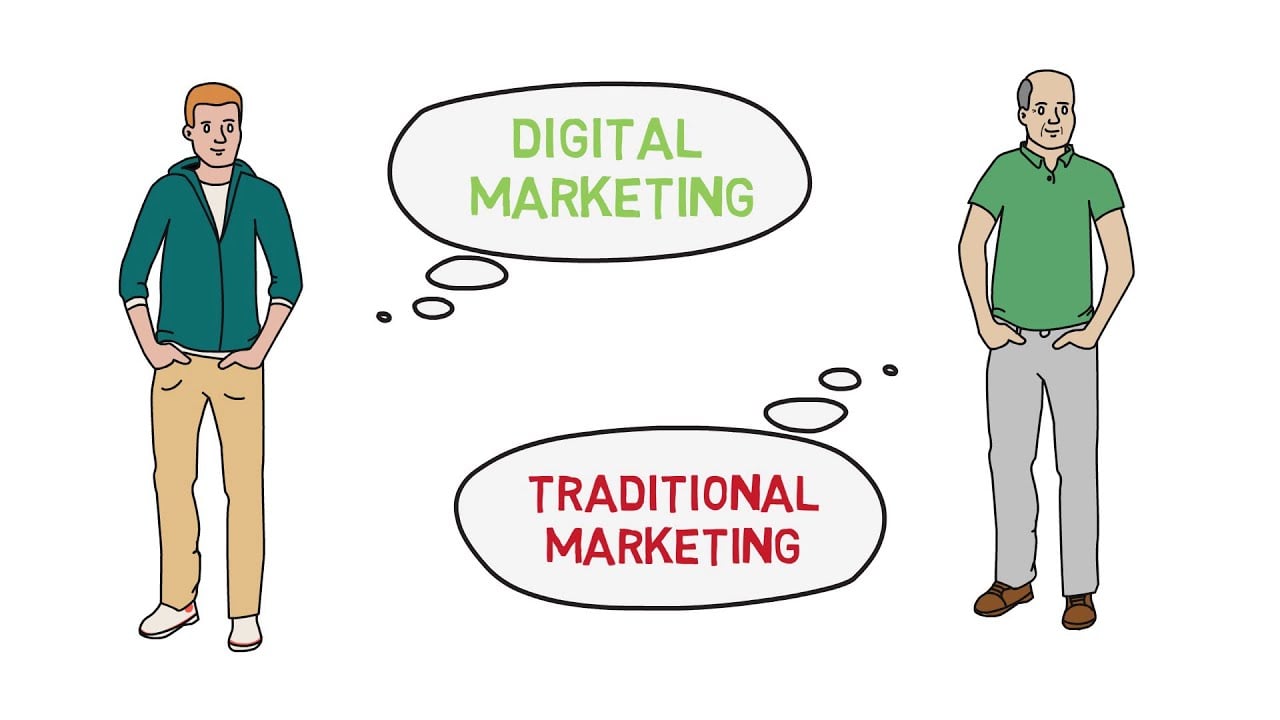
Print and digital marketing are two distinct yet interconnected forms of advertising that businesses use to promote their products or services. Print marketing refers to traditional printed materials, such as brochures, flyers, direct mail, and newspapers. Digital marketing, on the other hand, utilizes online platforms and technologies, including websites, social media, email marketing, and search engine optimization (SEO).
Both print and digital marketing have their own advantages and play crucial roles in a comprehensive advertising strategy. While print marketing offers a tangible and tactile experience, digital marketing provides a cost-effective and highly measurable approach. By combining these two forms, businesses can create a powerful marketing mix that maximizes their reach and impact.

Print Marketing Strategies
Print marketing encompasses a wide range of strategies and tactics to engage with potential customers. Some popular print marketing methods include:
- Brochures and Flyers: These visual collateral pieces allow businesses to showcase their offerings in detail and distribute them at trade shows, events, or retail locations. Eye-catching designs coupled with persuasive content can help capture the attention of the target audience.
- Direct Mail: Direct mail campaigns involve sending promotional materials, such as postcards, catalogs, or personalized letters, directly to the mailboxes of potential customers. This strategy can be highly effective when well-targeted and personalized.
- Newspapers and Magazines: Placing advertisements in print publications can help businesses target specific geographic regions or niche audiences. This strategy is particularly beneficial for local businesses looking to reach their immediate community.
While print marketing has undeniable advantages, it also has limitations. It can be more costly compared to digital marketing and lacks the instantaneous nature of online advertising. However, when used alongside digital marketing strategies, print materials can enhance brand recognition and reinforce the message communicated through online channels.
Digital Marketing Strategies
Digital marketing has revolutionized the advertising landscape, providing businesses with endless opportunities to connect with their target audience online. Here are some key digital marketing strategies:

- Website Optimization: A well-designed and user-friendly website is the foundation of any successful digital marketing campaign. By optimizing website content and structure, businesses can improve their visibility in search engine results and drive organic traffic.
- Social Media Marketing: Platforms like Facebook, Instagram, Twitter, and LinkedIn offer businesses the opportunity to engage with their audience, build brand awareness, and drive website traffic. Paid social media advertising also allows for highly targeted campaigns based on demographics, interests, and behaviors.
- Email Marketing: Email campaigns enable businesses to nurture leads, deliver personalized content, and keep customers informed about new products, promotions, or important updates. Well-crafted email content can increase brand loyalty and generate conversions.
- Search Engine Optimization (SEO): By optimizing website content, metadata, and other technical elements, businesses can improve their organic search engine rankings. High search engine visibility increases website traffic and enhances brand credibility.
- Pay-Per-Click (PPC) Advertising: PPC campaigns, such as Google Ads, allow businesses to place targeted ads on search engine result pages or other relevant websites. Advertisers only pay when users click on their ads, making it a cost-effective strategy.
Digital marketing offers numerous benefits, including real-time tracking and analysis of campaign performance, increased reach and targeting capabilities, and the ability to customize messaging based on user behavior. These advantages make it an essential component of any modern marketing strategy.
Print vs. Digital Marketing: Finding the Balance
While print and digital marketing both have their merits, finding the right balance between the two is crucial for maximizing advertising effectiveness. Integrating print and digital strategies allows businesses to reach a larger audience and engage with them through various touchpoints.
To strike the right balance:

- Define Your Target Audience: Understand your target audience’s demographics, preferences, and media consumption habits to determine the most effective print and digital channels for reaching them.
- Create Consistent Branding: Ensure that your print and digital materials follow a cohesive brand identity. Consistency across channels enhances brand recognition and trust.
- Coordinate Campaigns: Align your print and digital marketing campaigns to reinforce each other. For example, you could share a unique promotional code on a printed brochure and encourage customers to redeem it on your website.
- Track and Measure Results: Leverage analytics tools to track the performance of your print and digital campaigns. By analyzing the data, you can optimize your strategies and allocate resources more effectively.
By combining the unique strengths of print and digital marketing, businesses can create a cohesive advertising strategy that drives brand awareness, engages their target audience, and ultimately generates results.
The Power of Print and Digital Marketing: A Statistic
A study conducted by the Direct Marketing Association revealed that campaigns combining print and digital marketing experienced a 118% higher response rate compared to those using print marketing alone. This demonstrates the power of integrating these two forms of advertising to create a more impactful and successful campaign.
Key Takeaways: Print And Digital Marketing
As an online advertising service or advertising network, it is crucial to understand the different aspects of print and digital marketing. Here are the key takeaways from this article that will provide you with insights and understanding:

- Print and digital marketing serve different purposes: Print marketing focuses on physical advertisements, such as brochures, magazines, and newspapers, that reach a localized audience. Digital marketing, on the other hand, utilizes online channels like social media, websites, and search engines to target a larger and global audience.
- Both print and digital marketing have unique advantages: Print marketing offers a tangible experience, builds trust, and may reach specific demographics. Digital marketing provides a wider reach, faster delivery, interactivity, and measurable metrics to gauge success.
- Integration is key: By combining print and digital marketing efforts, you can maximize the benefits of each. For example, sharing digital content via print materials or using print ads to drive traffic to digital platforms can create a cohesive and effective marketing strategy.
- Understanding target audience preferences is essential: To optimize your marketing campaigns, it is crucial to know your target audience’s preferences and habits. Some demographics might respond better to print advertisements, while others are more receptive to digital content. Conduct research and gather data to make informed decisions.
- Print marketing is effective for local targeting: If your online advertising service or network focuses on serving local businesses or organizations, print marketing can be a powerful tool. Local newspapers, flyers, billboards, and direct mail can efficiently reach the desired audience in specific geographical areas.
- Digital marketing offers precise targeting options: With digital marketing, you can narrow down your audience based on various parameters such as demographics, interests, location, and online behavior. This enables you to reach a highly targeted audience that is more likely to engage with your ads.
- Print marketing fosters credibility and trust: Printed materials, such as brochures or catalogs, help establish trust and credibility. Tangible items create a lasting impression and evoke a sense of professionalism, which can ultimately lead to higher brand loyalty and customer retention.
- Digital marketing provides real-time analytics: One of the significant advantages of digital marketing is its ability to provide instant and accurate analytics. You can track data such as impressions, click-through rates, conversions, and more, allowing you to optimize your campaigns in real-time.
- Print marketing allows for creative design opportunities: Printed advertisements provide an opportunity for creative design choices. You can use unique layouts, colors, textures, and innovative print techniques to make your ads visually appealing and memorable.
- Digital marketing offers scalability: Unlike print marketing, digital marketing allows for easy scalability. Whether you want to reach a small or large audience, digital platforms can accommodate your needs and adapt to changing marketing objectives.
- Print and digital marketing can reinforce each other: By integrating print and digital marketing efforts, you can reinforce your brand messaging and increase brand recall. For example, including website URLs or social media handles in print ads encourages users to engage with your digital platforms.
- Measuring ROI differs in print and digital marketing: Measuring the return on investment (ROI) for print marketing is often more challenging compared to digital marketing. While digital marketing provides precise metrics, tracking the impact of print ads requires additional strategies such as unique promo codes or personalized URLs.
- Personalization is crucial for both print and digital marketing: Whether in print or digital form, personalized marketing has become increasingly important. Tailoring your messages and advertisements to individual preferences and current trends can significantly improve engagement and conversion rates.
- Both print and digital marketing require consistent branding: Developing a strong and consistent brand identity is essential for both print and digital marketing. Your brand message, values, logo, and design elements should be consistent across all marketing channels to build brand recognition and trust.
- Accessibility and inclusivity should be considered: In both print and digital marketing, it is crucial to ensure that your content is accessible and inclusive. Consider factors such as font size, color contrast, alternative text for images, and website compatibility with assistive technologies to reach a wider audience.
- Staying updated with industry trends is vital: Both print and digital marketing landscapes are constantly evolving. Stay updated with the latest industry trends, emerging technologies, and consumer preferences to stay ahead of the competition and deliver impactful marketing campaigns.
By keeping these key takeaways in mind, you can navigate the realm of print and digital marketing more effectively, and leverage the strengths of each to create successful advertising campaigns for your online advertising service or advertising network.
FAQs for Print and Digital Marketing
1. What is the difference between print and digital marketing?
Print marketing refers to advertising through physical mediums such as newspapers, magazines, brochures, or flyers, while digital marketing involves promotion through online channels like websites, social media, emails, or search engines.
2. Which is more effective, print or digital marketing?
The effectiveness of print or digital marketing depends on various factors like the target audience, the campaign objectives, and budget. While print marketing may be more useful for local businesses, digital marketing offers a wider reach, precise targeting options, and measurable results.
3. Can print and digital marketing be used together?
Absolutely! Combining both print and digital marketing can enhance your overall advertising strategy. Print materials can direct people to your website or social media platforms, while digital ads can reinforce your brand with targeted messaging.
4. Are print media dying with the rise of digital marketing?
No, print media is still relevant and can play a significant role in specific industries or demographics. However, the growth of digital marketing has changed the landscape, and businesses now need to consider a blend of print and digital strategies to stay competitive.
5. How can digital marketing help me reach my target audience?
Digital marketing allows you to specify your target audience based on demographics, interests, online behavior, or location. This enables you to reach the right people at the right time and increase the chances of engagement and conversion.
6. What are the advantages of digital advertising over print?
- Immediate results and real-time tracking
- Precise audience targeting
- Cost-effective compared to traditional print ads
- Flexibility to modify campaigns in real-time
- Ability to reach a global audience
7. Is it expensive to advertise digitally?
Digital advertising can be cost-effective compared to traditional print advertising. The cost depends on factors like the ad platform, targeting options, and the scope of the campaign. With careful planning and monitoring, you can optimize your budget and achieve better ROI.
8. How do I measure the success of my digital marketing campaigns?
Digital marketing platforms provide various metrics like impressions, clicks, conversions, click-through rates, or engagement rates to measure campaign success. Analyzing these data points allows you to understand which strategies are effective and make informed decisions for future campaigns.
9. What types of digital marketing are available?
Digital marketing encompasses various channels and tactics, including:
- Search engine optimization (SEO)
- Pay-per-click (PPC) advertising
- Social media marketing
- Email marketing
- Content marketing
- Influencer marketing
10. How can print marketing help my business?
Print marketing can offer tangible benefits for businesses, such as:
- Local targeting in specific regions or neighborhoods
- Physical presence and direct engagement with customers
- Long-lasting impressions through brochures, business cards, or billboards
- Targeting older demographics less inclined toward digital platforms
11. Can I use personalized content in both print and digital marketing?
Absolutely! Personalization can be effective in both print and digital marketing. In print, you can include personalized names or offers in direct mail, while digital platforms enable dynamic content based on user behavior, preferences, or purchase history.
12. What are the challenges of print marketing in the digital era?
Print marketing faces challenges such as declining circulation, limited reach compared to digital mediums, and difficulty in tracking ROI. However, by integrating digital elements like QR codes or augmented reality, print marketing can still be innovative and effective.
13. How can I integrate print and digital marketing effectively?
To integrate print and digital marketing, consider tactics like:
- Including QR codes or custom URLs in print ads to drive online traffic
- Using social media to amplify print campaigns or promotions
- Collecting customer emails through print materials for email marketing campaigns
- Using retargeting ads to reach people exposed to print materials
14. Are there any legal considerations in digital marketing?
Yes, digital marketing has legal aspects that businesses need to consider, such as privacy regulations, spam laws, intellectual property rights, and disclosure requirements for sponsored content. Compliance with these regulations is crucial to avoid legal consequences.
15. Should I solely rely on print or digital marketing?
Instead of relying solely on print or digital marketing, businesses should adopt an integrated approach that utilizes the strengths of both mediums. Assess your target audience, campaign goals, and budget to determine the appropriate mix that can maximize your reach and impact.
Conclusion
Print and digital marketing are both essential components of a successful advertising strategy in today’s digital age. While print marketing offers tangible, physical materials that can reach a targeted audience, digital marketing provides a vast reach and the ability to track and analyze customer behavior. Combining the two forms of marketing can help maximize the effectiveness of an advertising campaign and reach a wider audience.
One key point to consider is the target audience. Print marketing can be particularly effective when targeting a specific demographic or local market. By utilizing print materials such as brochures, flyers, or direct mail, businesses can directly reach potential customers in their area. Digital marketing, on the other hand, offers the advantage of global reach, allowing businesses to connect with a larger audience across different regions. This is especially valuable for online advertising services or advertising networks that aim to reach a vast and diverse customer base.
Another aspect to consider is the cost-effectiveness and efficiency of both forms of marketing. Print marketing typically requires a higher upfront cost for design, printing, and distribution. With digital marketing, however, costs can be significantly lower, especially when utilizing online advertising platforms or social media channels. Digital marketing also allows for real-time tracking and analysis of campaign performance, enabling businesses to make data-driven decisions and optimize their advertising efforts for better results.
Moreover, the interactive and engaging nature of digital marketing provides opportunities for businesses to create personalized and targeted experiences for their audience. With features such as dynamic ads, interactive content, and retargeting, businesses can deliver highly relevant and customized messages to their customers, increasing the chances of conversion and brand engagement. This level of customization is often not achievable with print marketing alone.
However, it is important to recognize that print marketing still holds its own value. Many customers still enjoy the physicality of printed materials and find it easier to retain information presented in print form. Combining print marketing with digital marketing allows businesses to have a multi-channel approach, ensuring that they reach customers through both traditional and modern mediums. By utilizing print marketing materials such as business cards, brochures, or posters, and reinforcing them with digital efforts such as social media campaigns or online ads, businesses can build a unified and cohesive brand presence.
In conclusion, print and digital marketing are complementary strategies, each offering unique advantages and reaching different audiences. While digital marketing provides a global reach and allows for precise targeting and tracking, print marketing offers tangible materials that can make a lasting impact on a local or specific demographic. By combining these two forms of marketing, businesses can maximize their advertising efforts and connect with a wider range of customers. Online advertising services or advertising networks can leverage the benefits of both print and digital marketing to create compelling campaigns that resonate with their target audience and produce measurable results.