


- 1. Understand your audience
- 2. Set clear objectives
- 3. Select the right social media platforms
- 4. Create compelling content
- 5. Maintain consistent branding
- 6. Utilize influencer marketing
- 7. Engage with your audience
- 8. Leverage user-generated content
- 9. Use targeted advertising
- 10. Regularly analyze and adapt
- 11. Collaborate with complementary brands
- 12. Harness the power of hashtags
- 13. Monitor your competition
- 14. Test and optimize
- 15. Stay updated with industry trends
- What is social media marketing?
- Which social media platforms should I focus on for my marketing strategy?
- What are the benefits of social media marketing?
- How can I create engaging content for social media marketing?
- Is it necessary to have a social media strategy?
- How can I measure the success of my social media marketing efforts?
- Should I use paid advertising on social media?
- How can I effectively target my audience on social media?
- Is it important to engage with followers and respond to comments?
- How often should I post on social media?
- Can I reuse content across different social media platforms?
- How can I stay updated with the latest social media trends?
- What are the common mistakes to avoid in social media marketing?
- Should I collaborate with influencers for my social media marketing?
- How can I manage my social media marketing campaigns effectively?
- Is social media marketing suitable for all businesses?
- Conclusion
Social media has become an integral part of our daily lives, with billions of people around the world actively engaging on various platforms. As a result, businesses have recognized the vast potential of social media for marketing and have been employing various strategies to harness its power to their advantage. One of the most heavily utilized strategies is influencer marketing.

Influencer marketing is a type of socialmediamarketing where businesses collaborate with prominent individuals who have a large following on socialmedia platforms. These influencers have the power to sway the opinions and behaviors of their followers, making them valuable assets for brands looking to expand their reach and boost sales. In fact, statistics show that 80% of marketers find influencer marketing to be an effective strategy, resulting in a return on investment (ROI) that is 11 times higher than traditional marketing channels.
Another popular strategy in socialmedia marketing is content marketing. This involves creating and sharing valuable, relevant, and consistent content to attract and retain a clearly-defined audience. Content marketing can take various forms, such as blog articles, videos, infographics, and social media posts. It is an effective way for brands to establish themselves as industry experts, build brand trust, and engage with their audience. Research indicates that companies that prioritize content marketing efforts experience conversion rates that are six times higher than their competitors who don’t.

Customer engagement is also a crucial aspect of social media marketing. It is not enough for businesses to simply post content or collaborate with influencers; they must actively engage with their audience to cultivate a loyal customer base. This can be done through various means, such as replying to comments, asking for opinions and feedback, conducting polls or surveys, and organizing contests or giveaways. Engagement statistics reveal that brands that engage their customers on social media platforms experience higher customer loyalty and increased sales.
With the rise of e-commerce, social media platforms are not only used for brand promotion but also for direct selling. Many businesses have tapped into the power of social media to create online shops and allow customers to make purchases directly through their profiles. This has revolutionized the way businesses reach and interact with their target audience. Recent studies indicate that social media shopping is a global trend, with 54% of internet users stating that they have purchased products directly from a brand’s social media post.

In conclusion, social media marketing has evolved into a vital strategy for businesses in the digital age. Influencer marketing, content marketing, customer engagement, and social media shopping are just a few of the most widely-used strategies. As the number of social media users continues to grow, it is essential for businesses to adapt and invest in effective social media marketing strategies to stay competitive and reach their target audience effectively.
Key Takeaways – Most Used Social Media Marketing Strategy
As a digital marketing professional or online advertising service, it is crucial to stay updated about the most used social media marketing strategies to achieve success in your campaigns. This article explores the key takeaways related to the most used social media marketing strategy that will help you maximize your online advertising efforts.

| Item | Details |
|---|---|
| Topic | Most Used Social Media Marketing Strategy |
| Category | Online marketing |
| Key takeaway | Social media has become an integral part of our daily lives, with billions of people around the world actively engaging on various platforms. |
| Last updated | February 4, 2026 |
1. Understand your audience
- Before implementing any social media marketing strategy, it is essential to have a deep understanding of your target audience.
- Identify their demographics, interests, and behaviors to create tailored content and engage with them effectively on social media platforms.
- Utilize analytics tools to gather data and gain insights into your audience’s online habits and preferences.
2. Set clear objectives
- Define specific goals and objectives for your social media marketing campaigns.
- Whether it is increasing brand awareness, driving website traffic, or generating leads, having a clear focus helps in crafting effective strategies.
- Ensure your objectives are achievable, measurable, and aligned with your overall marketing goals.
3. Select the right social media platforms
- Identify the social media platforms where your target audience spends most of their time.
- Focus your efforts on the platforms that align with your business objectives and provide the best opportunities for reaching your audience.
- Popular platforms like Facebook, Instagram, Twitter, LinkedIn, and YouTube offer different advantages, so choose wisely.
4. Create compelling content
- Generate high-quality content that resonates with your target audience.
- Use a mix of visuals, videos, and textual content relevant to your brand and industry.
- Ensure your content is engaging, informative, and shareable to increase the chances of it going viral.
5. Maintain consistent branding
- Develop a consistent brand voice, style, and messaging across all social media platforms.
- Use consistent visual elements like logos, colors, and fonts to create a recognizable brand identity.
- Consistency helps build trust, brand loyalty, and makes your brand easily recognizable.
6. Utilize influencer marketing
- Collaborate with influencers in your industry to expand your reach and credibility.
- Identify influencers who have an engaged audience that aligns with your target market.
- Partner with influencers to create sponsored content or run influencer-driven campaigns to amplify your brand’s visibility.
7. Engage with your audience
- Build a community by actively engaging with your audience on social media.
- Regularly respond to comments, mentions, and messages to show that you value their input.
- Create interactive content like polls, quizzes, and contests to encourage participation and increase engagement.
8. Leverage user-generated content
- Encourage your followers and customers to create and share content related to your brand.
- User-generated content adds authenticity, builds social proof, and increases brand advocacy.
- Repost and showcase user-generated content to increase engagement and strengthen your relationship with your audience.
9. Use targeted advertising
- Utilize social media advertising to reach a specific audience based on demographics, interests, and behavior.
- Invest in paid advertising to boost the visibility and reach of your social media campaigns.
- Optimize your ads by testing different creatives, targeting options, and ad formats to maximize your ROI.
10. Regularly analyze and adapt
- Track and analyze your social media performance using analytics tools.
- Monitor metrics like reach, engagement, conversions, and click-through rates to determine what strategies are working and what needs improvement.
- Continuously adapt your social media marketing strategies based on data-driven insights to optimize your results.
11. Collaborate with complementary brands
- Partner with complementary brands to cross-promote each other’s products or services.
- Collaborations help expand your reach, tap into new audiences, and create mutually beneficial partnerships.
- Consider joint contests, giveaways, or guest blogging to leverage the audience of your partners.
12. Harness the power of hashtags
- Research and use relevant hashtags in your social media posts to increase their discoverability.
- Hashtags help you reach a wider audience interested in specific topics or trends.
- Create branded hashtags to promote your campaigns, encourage user-generated content, and build a community around your brand.
13. Monitor your competition
- Keep a close eye on your competitors’ social media activities and strategies.
- Identify what is working well for them and learn from their successes and failures.
- Stay one step ahead by offering unique value and differentiating your brand from your competitors.
14. Test and optimize
- Experiment with different social media marketing strategies and tactics.
- A/B test your posts, ads, and landing pages to determine what resonates best with your audience.
- Continuously optimize your campaigns based on the insights gained from testing.
15. Stay updated with industry trends
- Social media marketing trends and strategies constantly evolve.
- Stay updated with the latest industry news, algorithm changes, and emerging platforms.
- Attend industry conferences, webinars, and follow reputable digital marketing experts to stay on top of the latest trends and incorporate them into your strategies.
By incorporating these key takeaways related to the most used social media marketing strategy, you can enhance your online advertising efforts and achieve better results for your brand or clients.
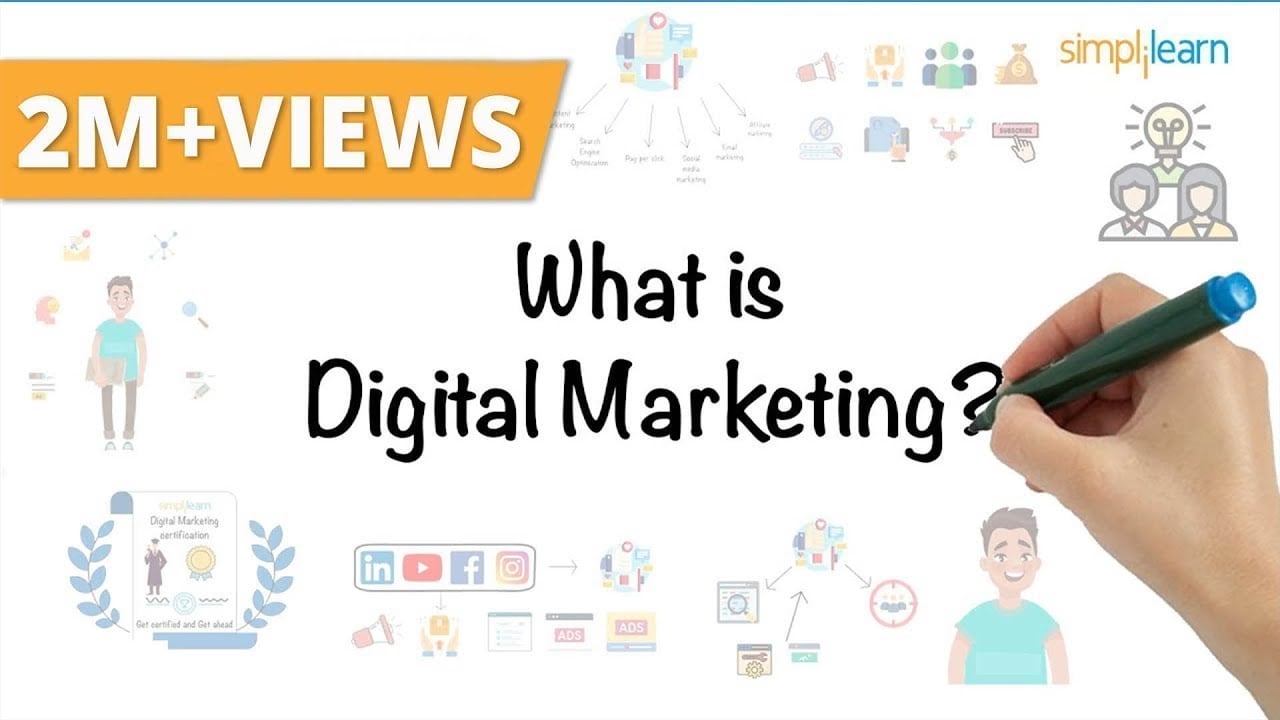

What is social media marketing?
Social media marketing is a digital marketing strategy that involves using social media platforms to promote a product or service. It involves creating and sharing content on social media networks to achieve marketing goals such as increasing brand awareness, driving website traffic, and generating leads or sales.
Which social media platforms should I focus on for my marketing strategy?
The ideal social media platforms to focus on depend on your target audience and goals. Some popular platforms for social media marketing include Facebook, Instagram, Twitter, LinkedIn, and YouTube. It is important to research and understand where your target audience is most active to effectively reach and engage with them.
What are the benefits of social media marketing?
Social media marketing offers various benefits such as:

- Increased brand awareness
- Improved engagement with your target audience
- Increased website traffic and conversions
- Opportunity to build a loyal community of followers
- Access to valuable customer insights
How can I create engaging content for social media marketing?
To create engaging content for social media marketing, consider the following tips:
- Understand your target audience and their interests
- Create visually appealing content with high-quality images or videos
- Use compelling and concise captions or descriptions
- Include a call-to-action to encourage interaction or conversions
- Experiment with different formats, such as live videos or stories
Is it necessary to have a social media strategy?
Yes, having a social media strategy is crucial for a successful social media marketing campaign. A well-defined strategy allows you to set clear objectives, identify your target audience, plan content, and measure the effectiveness of your efforts. Without a strategy, it can be challenging to achieve desired results and maintain consistency.
How can I measure the success of my social media marketing efforts?
You can measure the success of your social media marketing efforts by tracking various metrics such as:

- Number of followers, likes, or shares
- Reach and impressions
- Click-through rates (CTR)
- Engagement rate (likes, comments, shares)
- Conversion rates or sales attributed to social media
Should I use paid advertising on social media?
Using paid advertising on social media can significantly enhance your social media marketing efforts. It allows you to reach a wider audience, target specific demographics, and achieve quicker results. Paid advertising options on social media platforms include sponsored posts, display ads, and influencer collaborations.
How can I effectively target my audience on social media?
To effectively target your audience on social media, consider the following strategies:
- Utilize audience insights provided by the platforms
- Create buyer personas to better understand your target audience
- Use demographic and interest-based targeting options
- Test and refine your target audience based on campaign performance
- Consider third-party data or retargeting options for advanced targeting
Is it important to engage with followers and respond to comments?
Yes, engaging with your followers and responding to comments is essential for building relationships and maintaining a positive brand image. It shows that you value your audience’s opinions and encourages further interaction. Responding promptly to both positive and negative comments can help mitigate any issues and foster trust with your audience.

How often should I post on social media?
The frequency of your social media posts depends on the platform and your audience’s preferences. It is recommended to post consistently, but not excessively, to maintain engagement. Research your industry and audience to determine the optimal posting frequency. Regularly reviewing your analytics can also provide insights into the best posting times and frequency for maximum reach.
Can I reuse content across different social media platforms?
Yes, you can repurpose or reuse content across different social media platforms. However, it is important to customize the content according to each platform’s unique requirements and user preferences. Consider adapting the content format, language tone, and optimizing it for specific features of each platform to maximize engagement and reach.
How can I stay updated with the latest social media trends?
To stay updated with the latest social media trends:

- Follow industry-related blogs and websites
- Join online communities or forums
- Attend industry conferences or webinars
- Follow social media influencers or industry experts
- Continuously monitor and analyze social media platforms for new features or updates
What are the common mistakes to avoid in social media marketing?
Some common mistakes to avoid in social media marketing include:
- Not having a clear strategy or goals
- Over-promotion and focusing solely on selling
- Ignoring or not responding to customer feedback
- Operating too many social media accounts without proper management
- Not analyzing and learning from campaign data
Should I collaborate with influencers for my social media marketing?
Collaborating with influencers can be a valuable social media marketing strategy. Influencers have established credibility and a dedicated following, which can help increase brand visibility and reach. However, it is important to choose influencers whose values align with your brand and whose audience matches your target market.
How can I manage my social media marketing campaigns effectively?
To effectively manage your social media marketing campaigns:
- Use social media scheduling tools to plan and automate posts
- Create a content calendar to maintain consistency
- Regularly monitor and respond to comments, messages, and mentions
- Analyze campaign performance and adjust strategies accordingly
- Stay updated with the latest social media trends and platform updates
Is social media marketing suitable for all businesses?
Social media marketing can benefit a wide range of businesses, but its suitability may depend on factors such as target audience demographics and industry. It is important to assess whether your target audience is active on social media and if the nature of your business aligns with the platforms’ features and capabilities. However, with strategic planning and execution, most businesses can leverage social media marketing to their advantage.
Conclusion
In conclusion, the most used social media marketing strategy is undoubtedly creating engaging and high-quality content. Content is the backbone of any successful marketing campaign, and social media platforms provide the perfect opportunity to share content with a wide audience. By focusing on creating valuable and relevant content, brands can attract and engage their target audience, ultimately leading to increased brand awareness, customer loyalty, and conversions.
Another key point to consider is the importance of understanding and utilizing the various social media platforms effectively. Each platform has its own unique features, demographics, and user behavior patterns. By tailoring the content and marketing strategy to suit the specific platform, businesses can optimize their reach and engagement. For example, Instagram is ideal for visual content and reaching younger demographics, while LinkedIn is more suitable for professional networking and B2B marketing.
Furthermore, it is crucial to consistently analyze and measure the performance of social media marketing efforts. By tracking key metrics such as reach, engagement, click-through rates, and conversions, businesses can gain valuable insights into what works and what doesn’t. These insights can then be used to refine and improve the marketing strategy over time.
Another effective strategy is to leverage the power of social media influencers. Influencer marketing involves partnering with popular personalities on social media who have a large and engaged following. By collaborating with influencers who align with their brand values, businesses can tap into their audience and gain credibility and trust. This strategy can significantly increase brand visibility and reach a wider audience.
Moreover, social media advertising plays a crucial role in reaching and targeting specific audiences. With advanced targeting options, businesses can ensure that their ads reach the right people at the right time. This allows for more precise and efficient ad spend, resulting in higher conversion rates and a better return on investment.
In addition, engaging with the audience is key to building a strong brand presence on social media. Responding to comments, messages, and reviews promptly and in a helpful manner shows that the business values its customers. Social media platforms also offer opportunities to initiate conversations and gather feedback, allowing businesses to actively participate in conversations related to their industry and showcase their expertise.
Finally, it is important to adapt and stay updated with the latest trends and changes in social media marketing. The digital landscape is constantly evolving, and new platforms, features, and algorithms emerge regularly. By staying ahead of the curve and experimenting with new strategies and tools, businesses can maintain their competitive edge and continue to engage and resonate with their audience effectively.
In a nutshell, the most used social media marketing strategy involves creating engaging content, optimizing for specific platforms, analyzing performance, leveraging influencers, utilizing social media advertising, engaging with the audience, and staying updated with the latest trends. By implementing these strategies effectively, businesses can harness the power of social media to drive brand awareness, customer engagement, and ultimately, business growth.