


- The Benefits of Mobile Ad Sales
- Effective Mobile Ad Sales Strategies
- 1. Responsive Design
- 2. Location-Based Targeting
- 3. App Advertising
- 4. Video Ads
- 5. Social Media Advertising
- Conclusion
- What are Mobile Ad Sales?
- Why are Mobile Ad Sales important?
- Types of Mobile Ad Sales
- The Future of Mobile Ad Sales
- Mobile Ad Sales Statistics
- Key Takeaways:
- FAQs About Mobile Ad Sales
- 1. How does mobile advertising work?
- 2. What are the benefits of mobile advertising?
- 3. How do I measure the effectiveness of mobile ads?
- 4. Can I target specific audiences with mobile ads?
- 5. What types of mobile ads are available?
- 6. Are mobile ads expensive?
- 7. How can I optimize my mobile ad campaigns?
- 8. Can I track conversions from mobile ads?
- 9. How can I ensure my mobile ads are engaging?
- 10. How do I choose the right mobile ad network?
- 11. Are there any ad formats to avoid for mobile advertising?
- 12. Can I use mobile ads to promote my app?
- 13. What is the role of ad networks in mobile advertising?
- 14. How do I ensure my mobile ads are not blocked by ad blockers?
- 15. Is it necessary to have a mobile-optimized website for mobile advertising?
- Conclusion
Mobile adsales are a vital component of the thriving online advertising industry. As the world becomes increasingly digitalized, more and more people rely on their smartphones and tablets for various tasks, including shopping, socializing, and information seeking. This widespread usage of mobiledevices has led to the surge in mobile ad sales, which have quickly become the primary revenue stream for many advertising networks and onlineadvertising services.

The history of mobile ad sales can be traced back to the early 2000s when mobile phones started to gain popularity. At that time, mobile advertising was in its infancy, with limited ad formats and targeting capabilities. As technology advanced and smartphones entered the market, advertising networks quickly realized the potential of reaching a massive and captive audience through these devices.
Today, mobile ad sales have become a staple of the online advertising ecosystem. With the proliferation of mobile apps and mobile-friendly websites, advertisers have countless opportunities to engage with consumers on their mobile devices. In fact, studies show that mobile ad spending is projected to account for over 50% of global digital ad expenditure by 2022.

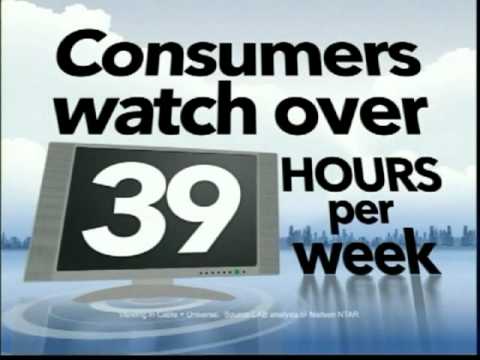
One of the key reasons for the significant growth in mobile ad sales is the shift in consumer behavior. People now spend more time on their mobile devices than ever before, surpassing time spent on desktop computers. This has created a tremendous opportunity for advertisers to connect with consumers at any time and in any place. For example, a recent study found that the average American spends nearly three hours per day on their mobile device, providing ample chances for advertisers to deliver targeted and relevant ads.
Furthermore, mobile ad sales have been driven by the increasing effectiveness of mobile ad formats and targeting capabilities. Advertisers are now able to create highly immersive and interactive experiences on mobile devices, leveraging features such as video, augmented reality, and location-based targeting. These advanced technologies not only capture the attention of users but also provide a more personalized and relevant advertising experience.

In terms of statistics, the growth of mobile ad sales is truly remarkable. According to eMarketer, mobile ad spending in the US alone is expected to reach $160 billion by 2023, accounting for more than two-thirds of overall digital ad spending. This highlights the significance of mobile ad sales in the advertising industry, as advertisers recognize the power of mobile devices in reaching their target audience.
In conclusion, mobile ad sales have played a foundational role in the expansion of the online advertising industry. With the increasing reliance on mobile devices and the advancements in mobile ad formats and targeting capabilities, mobile ad sales have become a crucial revenue stream for advertising networks and online advertising services. As the world becomes more connected and mobile-centric, the significance and impact of mobile ad sales are only expected to grow.

What are Mobile Ad Sales and How Can They Impact Your Online Advertising Strategy?
Mobile ad sales refer to the process of selling and promoting advertisements on mobile devices, such as smartphones and tablets. In today’s digital world, where mobile usage is skyrocketing, it is crucial for businesses to incorporate mobile advertising into their online marketing strategies. By leveraging mobile ad sales, advertisers can reach a wider audience, increase brand visibility, and drive conversions. In this article, we will explore the various aspects of mobile ad sales, including its benefits, strategies, and best practices, to help you make the most out of this powerful tool for your online advertising efforts.
| Item | Details |
|---|---|
| Topic | Mobile Ad Sales |
| Category | Marketing and Advertising |
| Key takeaway | Mobile ad sales are a vital component of the thriving online advertising industry. |
| Last updated | March 4, 2026 |
The Benefits of Mobile Ad Sales
Mobile ad sales offer a multitude of benefits for online advertisers. Firstly, mobile devices have become an integral part of people’s lives, with users spending a significant amount of time browsing the internet, using mobile apps, and engaging with content on their phones. By advertising on mobile platforms, you can tap into this vast pool of potential customers.

Furthermore, mobile ads offer a highly targeted approach, allowing you to reach the right audience at the right time. As mobile devices are often personal and continuously connected, advertisers can access a wealth of user data, such as browsing habits, geographic location, and even individual preferences. This valuable information enables advertisers to tailor their ads to specific demographics or target users with personalized offers, significantly increasing the likelihood of conversions.
In addition to reaching a wider audience and delivering personalized messages, mobile ad sales can also enhance brand visibility. With mobile devices accompanying users wherever they go, ads displayed on mobile screens can create a strong brand presence and reinforce brand recognition. This increased visibility not only boosts brand recall but also establishes trust and credibility among potential customers.
Finally, mobile ad sales offer a cost-effective advertising solution. Compared to traditional forms of advertising, such as television or print, mobile ads often come at a lower cost. Additionally, mobile platforms provide advertisers with real-time analytics and data insights, allowing them to measure the effectiveness of their campaigns and make data-driven decisions to optimize their advertising strategies.
Effective Mobile Ad Sales Strategies
Now that we have explored the benefits of mobile ad sales, let’s dive into some effective strategies to make the most of this advertising channel. Implementing these strategies will help you maximize your reach, engage your target audience, and drive conversions.

1. Responsive Design
With a wide range of mobile devices on the market, it is critical to ensure that your website and advertisements are responsive. Responsive design means that your content automatically adjusts to fit the screen size and orientation of the user’s device. By adopting a responsive design, you provide a seamless browsing experience for mobile users, eliminating any potential barriers that may hinder engagement with your ads.
2. Location-Based Targeting
One of the key advantages of mobile advertising is the ability to target users based on their geographic location. By leveraging location-based targeting, advertisers can reach consumers who are in close proximity to their physical stores or those located in specific areas of interest. For example, a restaurant can display ads to mobile users within a certain radius, enticing them with special offers and promotions to visit their establishment.
3. App Advertising
Mobile apps have become an integral part of mobile users’ lives, making them an excellent platform for advertising. Collaborating with popular mobile apps that align with your target audience can significantly enhance your reach and engagement. By incorporating app advertising into your mobile ad sales strategy, you can display ads within apps, providing users with a seamless and non-intrusive ad experience.

4. Video Ads
Video ads have gained immense popularity in recent years, and their effectiveness on mobile devices is undeniable. With mobile screens offering a more immersive experience compared to desktops, video ads can capture users’ attention and deliver your message in a visually appealing format. Incorporating video ads into your mobile ad sales strategy can significantly boost engagement and increase the likelihood of conversions.
5. Social Media Advertising
Social media platforms have become a staple in people’s lives, and users spend a substantial amount of time scrolling through their feeds on their mobile devices. Leveraging social media advertising allows you to tap into this captive audience, enabling you to target users based on their interests, demographics, and browsing behavior. Integrating social media advertising into your mobile ad sales strategy can help increase brand awareness, drive traffic to your website, and generate leads.
Conclusion
Mobile ad sales provide a valuable opportunity for advertisers to connect with their target audience, increase brand visibility, and drive conversions. By leveraging the numerous benefits of mobile advertising and implementing effective strategies, businesses can stay ahead of the competition and achieve their online advertising goals. In the following parts of this article, we will delve deeper into each of these strategies, providing you with actionable insights and best practices to optimize your mobile ad sales and take your online advertising efforts to new heights. Stay tuned!

What are Mobile Ad Sales?
Mobile ad sales refer to the process of selling and delivering advertisements on mobile devices such as smartphones, tablets, and wearable devices. With the increasing usage of mobile devices and the growing popularity of mobile apps, mobile ad sales have become an important component of online advertising. Mobile ad sales involve connecting advertisers with mobile app publishers or mobile website owners who have ad inventory available for sale. Advertisers can run their ads on various mobile platforms and target specific audiences based on factors such as location, demographics, and interests.
Why are Mobile Ad Sales important?
Mobile ad sales play a crucial role in the online advertising landscape for several reasons:
- Mobile usage: Mobile devices have become an integral part of people’s lives, with billions of people worldwide using smartphones and tablets on a daily basis. This extensive mobile usage presents a significant opportunity for advertisers to reach their target audience through mobile ad sales.
- Targeted advertising: Mobile ad sales allow advertisers to target specific audiences based on factors such as location, demographics, and interests. This level of targeting enables advertisers to deliver more relevant and personalized ads to their target audience, increasing the chances of engagement and conversion.
- Consumer behavior: Consumers are increasingly relying on their mobile devices to access information, make purchases, and interact with brands. Mobile ad sales enable advertisers to reach consumers at various stages of the buyer’s journey, from awareness to consideration and ultimately, conversion.
- App monetization: Mobile ad sales provide a significant revenue stream for mobile app publishers. By displaying ads within their apps, publishers can generate income and support the development and maintenance of their mobile applications. For many app developers, mobile ad sales are a critical aspect of their business model.
Types of Mobile Ad Sales
There are various types of mobile ad sales that advertisers can utilize to promote their products or services:

- Display ads: Display ads are graphical or interactive ads that are shown within mobile apps or on mobile websites. They can take the form of banners, interstitial ads, or native ads that seamlessly blend with the app or website design. Display ads are effective in creating brand awareness and driving user engagement.
- Video ads: Video ads are short video clips that play before, during, or after a user interacts with a mobile app or website. They are engaging and can deliver a persuasive message to the target audience. Video ads are particularly effective for showcasing products or services and driving user actions.
- Native ads: Native ads are designed to match the look and feel of the content around them, providing a seamless user experience. They are integrated into the app or website’s layout and can be in the form of sponsored articles, promoted listings, or in-feed ads. Native ads are less intrusive and can generate higher user engagement.
- In-app ads: In-app ads are specifically designed for mobile apps and are displayed to users while they are using the app. They can be shown as banners, interstitial ads, or rewarded ads, where users receive rewards or benefits for interacting with the ad. In-app ads are highly targeted and can drive significant user engagement.
- Push notifications: Push notifications are messages that are sent directly to a user’s mobile device, even when they are not actively using an app. These notifications can be used to deliver targeted ads or promotions, driving user re-engagement and app usage.
The Future of Mobile Ad Sales
The future of mobile ad sales looks promising, with several trends shaping the industry:
- Mobile video advertising: As mobile internet speeds continue to improve and user behavior shifts towards video consumption, mobile video advertising is expected to witness significant growth. Advertisers are leveraging the power of video ads to deliver captivating content and engage users on their mobile devices.
- Programmatic advertising: Programmatic advertising is the use of automated technology to buy and sell ad inventory in real-time. It enables advertisers to target specific audiences at scale and optimize their ad campaigns based on performance data. The adoption of programmatic advertising in the mobile ad sales space is expected to increase, driving efficiency and better targeting capabilities.
- Mobile app advertising: With the proliferation of mobile apps across various categories, mobile app advertising will continue to gain traction. Advertisers will increasingly focus on advertising within popular apps to reach their target audience effectively.
- Mobile commerce: The rise of mobile commerce, or m-commerce, presents a significant opportunity for mobile ad sales. As more consumers use their mobile devices to make purchases, advertisers can leverage mobile ad sales to promote their products or services and drive conversions.
Mobile Ad Sales Statistics
As of 2021, mobile ad sales accounted for more than half of the total global ad spend, with an estimated $290 billion spent on mobile advertising. Mobile ad spending is projected to reach $365 billion by 2025, highlighting the continued growth and importance of mobile ad sales in the online advertising industry.
Key Takeaways:
1. Mobile ad sales have become a lucrative business with the growth of smartphones and increased mobile internet usage.
2. The mobile advertising industry is expected to reach new heights in the coming years, as more advertisers turn their attention to mobile platforms.
3. Advertisers are finding mobile ads to be more effective in reaching their target audience compared to traditional forms of advertising.
4. Mobile ad sales offer opportunities for advertisers to engage with consumers directly through personalized and interactive features.
5. The shift towards mobile ad sales has forced advertisers to adopt a mobile-first mindset and optimize their campaigns for mobile devices.
6. Location-based targeting has emerged as a powerful tool in mobile ad sales, allowing advertisers to reach consumers at the right time and place.
7. Mobile ad sales require advertisers to adapt their content for smaller screens, with a focus on concise and visually appealing ads.
8. The rise of ad-blocking software poses a challenge for mobile ad sales, requiring advertisers to create non-intrusive and relevant ads.
9. Advertisers need to embrace native advertising in mobile ad sales to seamlessly integrate their ads with the user’s mobile experience.
10. Mobile ad sales offer advanced tracking and analytics tools for advertisers to measure the effectiveness of their campaigns and make data-driven decisions.
11. Ad fraud is a significant concern in mobile ad sales, and advertisers need to employ robust fraud detection and prevention strategies.
12. Mobile ad sales provide opportunities for advertisers to leverage artificial intelligence and machine learning algorithms to optimize their campaigns.
13. Advertisers should consider partnering with advertising networks to expand their reach and access inventory from various mobile platforms.
14. Mobile ad sales require advertisers to stay updated with the latest industry trends, technologies, and consumer behavior to stay ahead of the competition.
15. Mobile ad sales can provide a high return on investment for advertisers who strategize and execute their campaigns effectively.
FAQs About Mobile Ad Sales
1. How does mobile advertising work?
Mobile advertising refers to the process of promoting products, services, or brands on mobile devices such as smartphones and tablets. It involves displaying ads within mobile apps, websites, or in the form of push notifications.
2. What are the benefits of mobile advertising?
Mobile advertising allows businesses to reach a wide audience, as the majority of people now use their smartphones for various activities. It offers targeted advertising options, enabling companies to direct their ads to specific demographics or geographical locations. Additionally, mobile ads can be interactive and engaging, increasing user interaction.
3. How do I measure the effectiveness of mobile ads?
There are various methods to measure the effectiveness of mobile ads. Some common metrics include click-through rates (CTR), conversion rates, app installs, and engagement metrics such as time spent on the ad or number of shares. These metrics provide insights into the performance of your mobile ad campaigns.
4. Can I target specific audiences with mobile ads?
Absolutely! Mobile ad networks offer advanced targeting options to reach specific audiences. You can target based on demographics such as age, gender, interests, and location. This enables you to tailor your ads to the right audience, maximizing your campaign’s effectiveness.
5. What types of mobile ads are available?
There are various types of mobile ads available, including banner ads, interstitial ads, video ads, native ads, and push notifications. Each type has its own advantages and can be used depending on your campaign objectives and target audience.
6. Are mobile ads expensive?
The cost of mobile ads can vary depending on factors such as ad format, targeting options, and the ad network you choose. Generally, mobile ads can be cost-effective compared to other forms of advertising, as they allow you to reach a large audience without a huge investment. However, it’s important to set a budget and optimize your campaigns to ensure the best return on investment.
7. How can I optimize my mobile ad campaigns?
- Define clear campaign objectives and target audience.
- Continuously monitor and analyze campaign performance using metrics.
- Experiment with different ad formats and creatives to find what works best.
- Optimize your ads for mobile devices to ensure a seamless user experience.
- Test different targeting options to refine your audience reach.
8. Can I track conversions from mobile ads?
Absolutely! By using conversion tracking, you can track the number of users who complete a desired action after interacting with your mobile ad. This could include completing a purchase, signing up for a newsletter, or downloading an app. Conversion tracking helps you measure the success of your mobile ad campaigns and optimize accordingly.
9. How can I ensure my mobile ads are engaging?
- Create visually appealing and captivating ad designs.
- Use strong and concise messaging to grab users’ attention.
- Incorporate interactive elements such as videos or quizzes.
- Offer incentives or exclusive promotions to encourage engagement.
10. How do I choose the right mobile ad network?
Choosing the right mobile ad network depends on your campaign objectives and target audience. Consider factors such as network reach, ad targeting capabilities, pricing, and customer support. You can also look for reviews and testimonials from other advertisers to gauge the network’s reputation and performance.
11. Are there any ad formats to avoid for mobile advertising?
While there are no specific formats to avoid, it’s important to consider the user experience when choosing ad formats. Avoid intrusive or disruptive ad formats that may negatively impact user engagement or cause frustration. Opt for formats that seamlessly integrate with the user’s mobile experience.
12. Can I use mobile ads to promote my app?
Absolutely! Mobile ads are a great tool to promote your app and increase app installs. You can utilize ad formats such as interstitial ads, video ads, or native ads to showcase your app’s features and benefits, encouraging users to download or engage with your app.
13. What is the role of ad networks in mobile advertising?
Ad networks act as intermediaries between advertisers and publishers, facilitating the buying and selling of mobile ad inventory. They provide the technology, infrastructure, and expertise to connect advertisers with their target audience through various publishers and apps. Ad networks play a crucial role in maximizing the reach and effectiveness of mobile ad campaigns.
14. How do I ensure my mobile ads are not blocked by ad blockers?
While it’s difficult to completely prevent ad blocking, there are strategies you can employ to minimize the impact. Use non-intrusive ad formats, provide relevant and valuable content, and adhere to industry standards and best practices. Additionally, work with reputable ad networks that have measures in place to minimize ad blocking.
15. Is it necessary to have a mobile-optimized website for mobile advertising?
Having a mobile-optimized website is highly recommended for mobile advertising. Since users will likely be directed to your website from the mobile ad, it’s important to provide a seamless and user-friendly experience. A mobile-optimized website ensures that your content is displayed properly and offers an optimized browsing experience on smaller screens.
Conclusion
In conclusion, mobile ad sales play a crucial role in the success of any online advertising service or advertising network. The article highlighted several key points and insights that are essential to consider in this rapidly growing industry.
Firstly, it is clear that mobile ad sales are on the rise, with the increasing popularity of smartphones and the shifting behavior of consumers towards mobile devices. This trend presents a significant opportunity for advertisers to reach their target audience more effectively, as people are spending more time on their mobile devices than ever before. It is crucial for advertising networks to understand this shift and adapt their strategies accordingly, ensuring that they have a strong mobile presence and a user-friendly mobile ad platform.
Secondly, the emergence of programmatic advertising has revolutionized the way mobile ad sales are conducted. Programmatic ad buying allows for more efficient and targeted advertising by using algorithms and real-time data to automate the buying and selling of mobile ads. This not only saves time and resources but also enables advertisers to reach the right audience at the right time, maximizing their return on investment. It is essential for advertising networks to embrace programmatic advertising and invest in the necessary technology and expertise to stay competitive in the market.
Furthermore, the article emphasized the importance of data analysis in mobile ad sales. With the vast amount of data generated by mobile users, it is crucial for advertising networks to utilize advanced analytics tools to gain insights into consumer behavior and preferences. This data-driven approach enables advertisers to create highly targeted and personalized ads, resulting in higher engagement and conversion rates. By analyzing data, advertising networks can also optimize their mobile ad campaigns, making informed decisions about ad placement, targeting, and creative elements.
Moreover, the article highlighted the significance of ad formats and creatives in mobile ad sales. With limited screen space and shorter attention spans, it is vital to create visually appealing and engaging ads that capture the user’s attention within seconds. Advertisers should consider utilizing interactive ads, videos, and immersive experiences to stand out from the competition. Additionally, the design of mobile ads should be optimized for different screen sizes and loading speeds, ensuring a seamless user experience across various devices and networks.
Another key point raised in the article is the importance of user privacy and consent in mobile ad sales. With the growing awareness and concerns around data privacy, advertising networks must prioritize user consent and comply with relevant regulations, such as the GDPR. Advertisers should be transparent about data collection and usage, allowing users to control their preferences and providing options to opt-out of personalized ads. By demonstrating a commitment to user privacy, advertising networks can build trust with their audience and foster long-term relationships.
Lastly, the article emphasized the significance of collaborations and partnerships in the mobile ad sales industry. By forming strategic alliances with publishers, app developers, and other stakeholders, advertising networks can expand their reach and access a broader audience. Collaborations can also lead to innovative ad formats and placements, enhancing the overall user experience and driving better results for advertisers. Additionally, partnerships with data providers and technology companies can help advertising networks stay ahead of the curve and leverage the latest advancements in mobile advertising.
Overall, mobile ad sales present immense opportunities for online advertising services and advertising networks. By understanding the shifting consumer behavior, embracing programmatic advertising, utilizing data analysis, optimizing ad formats, prioritizing user privacy, and forming strategic partnerships, advertising networks can thrive in this dynamic and competitive landscape. It is crucial for businesses in the industry to stay proactive, continuously adapt to market trends, and provide advertisers with innovative and effective mobile ad solutions.