


- What is Mobile Ad Revenue?
- The Growth of Mobile Advertising
- Mobile Ad Formats
- Factors Affecting Mobile Ad Revenue
- Mobile Ad Revenue Statistics
- Key Takeaways:
- Frequently Asked Questions about Mobile Ad Revenue
- 1. What is mobile ad revenue?
- 2. How do I earn mobile ad revenue?
- 3. What types of mobile ads generate revenue?
- 4. How much money can I earn from mobile ad revenue?
- 5. How can I increase my mobile ad revenue?
- 6. What are the most effective ad formats for mobile ad revenue?
- 7. Can I choose which ads are displayed on my mobile app or website?
- 8. How do advertisers determine the value of mobile ad impressions?
- 9. Can I track the performance of my mobile ads?
- 10. How often do I receive payment for mobile ad revenue?
- 11. Are there any fees or costs associated with earning mobile ad revenue?
- 12. Can I use multiple ad networks to optimize my mobile ad revenue?
- 13. How can I prevent fraudulent clicks on my mobile ads?
- 14. Is it possible to earn mobile ad revenue internationally?
- 15. How can I optimize my mobile ad revenue without compromising the user experience?
- Conclusion
Mobile AdRevenue refers to the income generated from advertisements displayed on mobile devices, such as smartphones and tablets. This modern form of advertising has become increasingly significant in recent years, as the number of mobile device users continues to grow exponentially. In fact, according to Statista, mobile ad spending reached a staggering $190 billion in 2019, and is projected to surpass $280 billion by 2022. This immense growth in revenue highlights the importance of mobile advertising for online advertising services and advertising networks.

The history of mobile ad revenue can be traced back to the early 2000s when mobile phones started gaining popularity. At that time, advertisers began experimenting with ways to reach consumers through text messages and mobile web banners. However, it was not until the introduction of smartphones that mobile ad revenue truly took off. With the rise of smartphones, mobile apps, and mobile internet usage, advertisers saw the potential to reach a wider audience that is constantly connected and engaged.
One significant driver of mobile ad revenue is the increasing amount of time people spend on their mobile devices. According to eMarketer, the average adult in the United States spends over three hours per day on a mobile device, and this number is even higher among younger demographics. This presents a tremendous opportunity for online advertising services and advertising networks to target potential consumers effectively.

Moreover, the engagement levels on mobile devices are significantly higher compared to other forms of media. Studies have shown that mobile ads tend to have higher click-through rates and conversion rates when compared to desktop advertisements. This can be attributed to the personalized nature of mobile devices. Unlike traditional forms of media, such as television or radio, mobile ads can be tailored to specific demographics and interests, allowing advertisers to deliver more relevant and engaging content.
Another key factor driving mobile ad revenue is the constant advancements in technology. Mobile devices are becoming increasingly powerful, with faster processors, larger screens, and improved graphics capabilities. This enables advertisers to create more visually appealing and interactive advertisements that capture users’ attention. Additionally, the rise of 5G technology promises even faster internet speeds and lower latency, further enhancing the mobile ad experience.

In conclusion, mobile ad revenue has become a vital component of the online advertising industry. With the increasingly high usage of mobile devices, the opportunity to reach and engage with consumers has never been greater. As technology continues to advance, mobile advertising will continue to evolve, presenting new opportunities and challenges for online advertising services and advertising networks. The future looks promising for mobile ad revenue, and businesses that embrace this trend are likely to reap the benefits.
What is the Importance of Mobile Ad Revenue for Your Online Advertising Strategy?
Mobile ad revenue plays a crucial role in shaping the success of your online advertising strategy. As more and more users are accessing the internet through their mobile devices, it has become essential for businesses to optimize their ad campaigns for mobile platforms. In this article, we will discuss the significance of mobile ad revenue and explore how it can help you maximize your advertising efforts and drive more conversions.

Mobile ad revenue refers to the income generated from advertisements specifically designed and displayed on mobile devices. With the rapid growth of smartphones and tablets, the usage of mobile internet has skyrocketed, surpassing desktop internet usage. This trend has opened up immense opportunities for advertisers to connect with their target audience on the go. By leveraging mobile ad revenue effectively, you can reach potential customers who are constantly engaged with their mobile devices.
One of the primary advantages of concentrating on mobile ad revenue is the ability to target users with precision. Mobile advertising platforms and networks gather a vast amount of data about users’ browsing habits, location, interests, and demographics. This valuable data allows advertisers to tailor their ad campaigns specifically to those most likely to be interested in their offerings, maximizing the chances of engagement and conversions. By optimizing your mobile ad revenue, you can target the right audience at the right time, increasing the overall effectiveness of your advertising strategy.

In addition to precise targeting, mobile ad revenue enables advertisers to make use of various ad formats that are specifically designed for mobile platforms. These include mobile banners, interstitial ads, native ads, video ads, and more. By utilizing these formats, you can create visually appealing and engaging advertisements that seamlessly integrate into the mobile user experience. This integration creates a less intrusive and more user-friendly advertising environment, increasing the likelihood of capturing users’ attention and driving them towards your desired actions.
Mobile ad revenue also allows for better measurement and tracking of ad campaign performance. With advanced analytics and tracking tools, advertisers can collect and analyze real-time data about their ad campaigns’ reach, impressions, clicks, and conversions. This actionable data provides valuable insights into the effectiveness of your mobile ad campaigns and allows you to make data-driven decisions to optimize your future advertising efforts. By continuously monitoring and analyzing your mobile ad revenue, you can identify what works best for your target audience and refine your strategies accordingly.
Furthermore, mobile ad revenue provides an opportunity for businesses to leverage the power of localized advertising. Mobile devices are constantly connected to the internet, allowing advertisers to target users based on their GPS location or IP address. This capability enables businesses to deliver hyper-localized ads to users in specific geographic areas, increasing the relevancy and impact of their advertisements. Whether you have a local business or want to target a specific region, mobile ad revenue offers an effective way to reach potential customers in their local context.
In conclusion, mobile ad revenue is crucial for any online advertising strategy. It allows you to precisely target your audience, utilize visually appealing ad formats, better measure your ad campaign performance, and leverage the power of localized advertising. By embracing mobile ad revenue, you can stay ahead in an increasingly mobile-centric world and drive significant conversions for your business. In the next part, we will delve deeper into the key strategies and best practices for maximizing your mobile ad revenue and achieving optimal results.

| Item | Details |
|---|---|
| Topic | Mobile Ad Revenue |
| Category | Marketing and Advertising |
| Key takeaway | Mobile Ad Revenue refers to the income generated from advertisements displayed on mobile devices, such as smartphones and tablets. |
| Last updated | March 18, 2026 |
What is Mobile Ad Revenue?
Mobile ad revenue refers to the amount of money generated from advertising on mobile devices. With the widespread use of smartphones and tablets, mobile advertising has become a lucrative industry. Advertisements can be displayed within mobile apps, websites, and even directly on the mobile device’s screen. As people increasingly rely on their mobile devices for everyday tasks, advertisers are eager to reach them through targeted mobile advertising campaigns.
The Growth of Mobile Advertising
Mobile advertising has experienced significant growth in recent years. According to a report by eMarketer, mobile ad spending accounted for nearly two-thirds of the total digital advertising spending in 2019. This trend is expected to continue, with mobile advertising projected to make up over three-quarters of the total digital ad spending by 2024.
One of the factors driving the growth of mobile advertising is the increasing number of mobile device users. As of 2020, there were over 3.5 billion smartphone users worldwide, and this number is expected to grow in the coming years. With more people using mobile devices, advertisers have a larger audience to target.

Another factor contributing to the growth of mobile advertising is the evolving technology. Mobile devices now offer sophisticated features such as location tracking, which enables advertisers to deliver targeted ads based on a user’s location. This level of personalization allows advertisers to deliver more relevant and engaging ads to mobile users, increasing the chances of conversions and generating higher ad revenue.
Mobile Ad Formats
There are various ad formats available for mobile advertising, each with its own strengths and limitations. Some of the popular ad formats include:
- Interstitial Ads: These are full-screen ads that appear between content and are commonly used in mobile apps. They capture the user’s attention by occupying the entire screen and can be highly engaging.
- Banner Ads: Banner ads are rectangular ads that appear at the top or bottom of a mobile app or website. They are relatively small in size and can be less intrusive compared to interstitial ads.
- Video Ads: Video ads are short video clips that play before, during, or after mobile content. They have the advantage of capturing the user’s attention through audio and visuals, making them highly engaging.
- Native Ads: Native ads blend seamlessly with the mobile app or website’s content, making them appear more like editorial content rather than traditional ads. They can be more effective in terms of user engagement and generating ad revenue.
The choice of ad format depends on factors such as the target audience, advertising objectives, and the platform on which the ads will be displayed.

Factors Affecting Mobile Ad Revenue
Several factors can impact the revenue generated from mobile advertising:
- User Engagement: The level of user engagement with mobile ads can significantly impact ad revenue. Higher engagement rates, such as clicks, conversions, and video completions, indicate that the ads are resonating with the audience and are more likely to drive revenue.
- Ad Placement: The placement of mobile ads can also influence their effectiveness. Ads placed in prominent positions, such as at the top of a mobile app or within content, are more likely to attract attention and generate revenue.
- Targeting and Personalization: Delivering targeted and personalized ads based on user demographics, interests, and location can improve ad relevancy and increase the chances of conversion. This, in turn, can lead to higher ad revenue.
- Ad Quality: The quality of mobile ads also plays a crucial role. Ads that are visually appealing, well-designed, and have compelling copy are more likely to capture the audience’s attention and generate revenue.
Mobile Ad Revenue Statistics
As of 2021, mobile ad revenue is continuing its upward trajectory. According to a report by Statista, global mobile advertising spending is projected to reach $240 billion in 2022. This indicates the immense potential of mobile advertising as a revenue-generating channel for advertisers and publishers.
Furthermore, a study by eMarketer revealed that mobile ad spending is expected to exceed TV ad spending in 2021. This shift signifies the growing importance of mobile advertising in the overall advertising landscape.

In conclusion, mobile ad revenue is a significant source of income for advertisers and publishers in the digital advertising industry. With the increasing number of mobile device users and the advancements in technology, mobile advertising is poised for further growth. By understanding the various ad formats, factors affecting ad revenue, and leveraging targeted and personalized advertising strategies, advertisers can tap into the immense revenue potential of mobile advertising.
Key Takeaways:
1. Mobile ad revenue has experienced steady growth in recent years, surpassing traditional desktop advertising.
2. The rise of smartphones and increased mobile internet usage has fueled the growth of mobile advertising.
3. Mobile ad revenue is projected to continue growing, with forecasts indicating a significant increase in the coming years.
4. Advertisers are increasingly recognizing the effectiveness and reach of mobile advertising, leading to increased investment in this medium.
5. Mobile ad formats, such as in-app ads and mobile video ads, have gained popularity among advertisers due to their high engagement rates.
6. Targeted advertising on mobile devices allows advertisers to reach their desired audience more effectively, resulting in higher conversion rates.
7. Mobile ad revenue is heavily influenced by consumer behavior and trends, necessitating constant adaptation and innovation from advertisers.
8. Ad-blocking software poses a challenge to mobile ad revenue, as users seek to remove disruptive and irrelevant advertisements.
9. Advertisers need to prioritize creating relevant and personalized mobile ads to break through ad-blocking barriers and maximize revenue.
10. Mobile ad revenue can be optimized through data analysis and targeting techniques to ensure the delivery of tailored ads to the right audience at the right time.
11. The integration of artificial intelligence and machine learning in mobile advertising can enhance ad relevance and effectiveness, positively impacting ad revenue.
12. Measurement and attribution tools are crucial for advertisers to track and analyze the success of their mobile ad campaigns and optimize their strategies accordingly.
13. Collaborations with mobile app developers and publishers are essential for advertisers to leverage their reach and enhance mobile ad revenue.
14. The monetization of mobile apps through mobile ad revenue allows app developers to generate income while offering free or discounted apps to users.
15. As mobile advertising evolves, advertisers must stay updated with industry trends, best practices, and emerging technologies to stay competitive and optimize ad revenue.
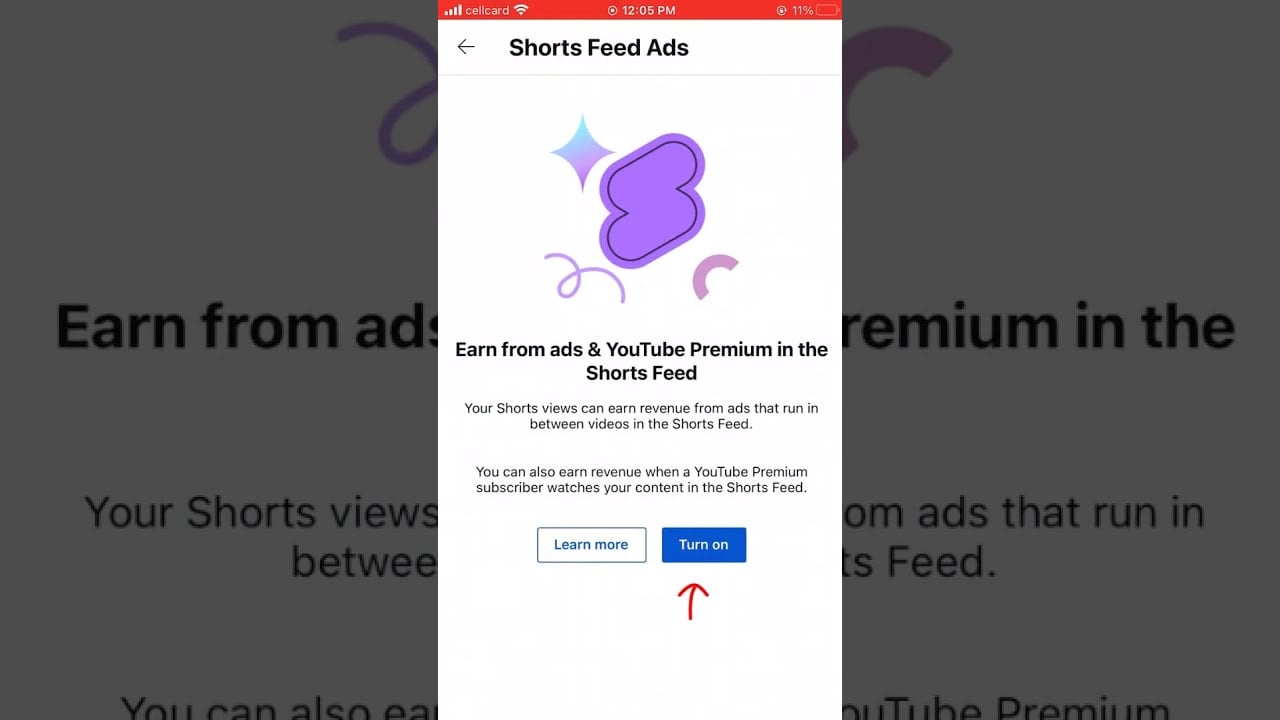
Frequently Asked Questions about Mobile Ad Revenue
1. What is mobile ad revenue?
Mobile ad revenue refers to the income generated from advertisements displayed on mobile devices. It is the amount of money advertisers pay for ads that are displayed on mobile platforms.
2. How do I earn mobile ad revenue?
You can earn mobile ad revenue by integrating ads into your mobile app or website. Advertisers will pay you for displaying their ads to your users, and you will receive a portion of the revenue earned from those ads.
3. What types of mobile ads generate revenue?
There are various types of mobile ads that can generate revenue, such as banner ads, interstitial ads, native ads, video ads, and rewarded ads. Each of these ad formats offers different benefits and revenue potential.
4. How much money can I earn from mobile ad revenue?
The amount of money you can earn from mobile ad revenue depends on factors like the number of users, ad performance, ad formats used, and the advertiser’s budget. It is important to optimize your ads and attract a large user base to maximize your earnings.
5. How can I increase my mobile ad revenue?
You can increase your mobile ad revenue by implementing effective ad targeting strategies, optimizing ad placement and formats, improving user engagement, and continuously monitoring and optimizing your ad performance. Additionally, collaborating with a reputable ad network can help maximize your revenue potential.
6. What are the most effective ad formats for mobile ad revenue?
The most effective ad formats for mobile ad revenue can vary depending on your app or website. However, interstitial ads, native ads, and rewarded ads have shown to be particularly effective in engaging users and driving higher revenue.
7. Can I choose which ads are displayed on my mobile app or website?
Yes, you can have some control over the ads displayed on your mobile app or website. By working with an ad network, you can set preferences and filters to ensure that the ads align with your content and do not compromise the user experience.
8. How do advertisers determine the value of mobile ad impressions?
Advertisers determine the value of mobile ad impressions based on factors such as the ad’s click-through rate (CTR), conversion rates, and the specific targeting parameters used for the campaign. Advertisers are typically willing to pay more for higher-performing ads.
9. Can I track the performance of my mobile ads?
Yes, you can track the performance of your mobile ads using various analytics tools provided by ad networks or using third-party tracking solutions. These tools allow you to monitor metrics like impressions, clicks, conversions, and revenue to assess the effectiveness of your ad campaigns.
10. How often do I receive payment for mobile ad revenue?
The frequency of receiving payment for mobile ad revenue depends on the terms and policies of the ad network or advertising service you are using. Payments can be made on a monthly, bi-monthly, or quarterly basis.
11. Are there any fees or costs associated with earning mobile ad revenue?
Depending on the advertising service or ad network you use, there may be fees or costs associated with earning mobile ad revenue. These can include revenue share percentages, transaction fees, or service fees. It is important to review the terms and conditions of the service you choose.
12. Can I use multiple ad networks to optimize my mobile ad revenue?
Yes, using multiple ad networks can help optimize your mobile ad revenue. By diversifying your sources of ads, you can increase competition and potentially achieve higher ad fill rates and revenue. However, managing multiple ad networks can require careful monitoring and optimization.
13. How can I prevent fraudulent clicks on my mobile ads?
To prevent fraudulent clicks on your mobile ads, you can implement fraud detection tools and work with ad networks that have robust fraud prevention measures in place. These measures help identify and filter out invalid clicks, ensuring that you only pay for legitimate ad interactions.
14. Is it possible to earn mobile ad revenue internationally?
Yes, it is possible to earn mobile ad revenue internationally. Many advertising networks and services offer global coverage, allowing you to monetize your app or website’s traffic from various countries around the world.
15. How can I optimize my mobile ad revenue without compromising the user experience?
To optimize your mobile ad revenue without compromising the user experience, you can focus on maintaining a balance between ad placement and content, ensuring that ads are relevant to your users, using non-intrusive ad formats, and regularly gathering user feedback to make improvements.
Conclusion
In conclusion, mobile ad revenue has become a significant source of income for online advertising services and networks. The rapid growth of mobile usage and the increasing popularity of mobile advertising have contributed to this revenue surge. Several key points and insights related to mobile ad revenue have been covered in this article.
Firstly, it is important to note that mobile ad revenue has surpassed desktop ad revenue in recent years. As more users are accessing the internet through their smartphones and tablets, advertisers are shifting their focus towards mobile advertising. This shift is driven by the higher engagement rates and the ability to reach a larger audience on mobile devices. It is crucial for online advertising services and networks to recognize this trend and adapt their strategies accordingly to maximize their revenue potential.
Another key point is the dominance of in-app advertising in the mobile ad revenue landscape. In-app ads are highly effective as they can seamlessly integrate with the user experience and offer targeted advertising opportunities. With the growing number of mobile apps available and their increasing usage, in-app advertising has become a go-to option for advertisers. Online advertising services and networks should prioritize building partnerships with app developers and investing in technologies that enhance in-app ad targeting and delivery.
Furthermore, the use of data and analytics is vital in optimizing mobile ad revenue. By analyzing user behavior, demographics, and interests, online advertising services and networks can deliver more relevant and personalized ads to their target audience. This not only increases the effectiveness of the ads but also improves the overall user experience. Investing in data-driven technologies and partnering with data providers can help online advertising services and networks gain a competitive edge in the mobile ad revenue landscape.
Moreover, it is important to consider the impact of ad blocking on mobile ad revenue. Ad blocking tools have become increasingly popular among users, which can hinder the effectiveness of mobile ads. Online advertising services and networks need to find creative ways to deliver non-intrusive and engaging ads that users are less likely to block. Developing native ad formats and sponsored content that seamlessly blend with the mobile experience can be one approach to combat ad blocking and maintain a steady mobile ad revenue stream.
Additionally, the rise of video advertising on mobile devices presents a significant opportunity for online advertising services and networks. With the popularity of video consumption on mobile, advertisers are increasingly investing in mobile video ads. These ads can provide highly engaging content and are proven to have higher view-through rates. Integrating video ad capabilities into their platforms and exploring partnerships with video content creators can help online advertising services and networks tap into this lucrative revenue stream.
Lastly, the importance of building partnerships and networks within the mobile ad ecosystem cannot be overstated. Collaborating with relevant stakeholders such as app developers, publishers, and ad exchanges can lead to mutually beneficial relationships and revenue opportunities. By leveraging each other’s strengths and resources, online advertising services and networks can further expand their reach and revenue potential in the mobile advertising space.
In conclusion, mobile ad revenue is a rapidly growing sector within the online advertising industry. By adapting to the mobile-first mindset, focusing on in-app advertising, leveraging data and analytics, addressing ad blocking challenges, embracing mobile video ads, and building strategic partnerships, online advertising services and networks can seize the opportunities presented by mobile ad revenue and stay ahead in this dynamic landscape.