


- The Basics of Creating Effective Banner Ads
- Step 1: Define Your Goals
- Step 2: Know Your Target Audience
- Step 3: Choose the Right Banner Ad Size
- Step 4: Grab Attention with a Compelling Headline
- Step 5: Utilize Eye-Catching Images and Graphics
- Step 6: Craft Compelling Ad Copy
- Step 7: Incorporate a Strong Call-to-Action (CTA)
- Step 8: Optimize for Mobile Devices
- Step 9: A/B Test Your Banner Ads
- Step 10: Track and Analyze Performance
- Key Takeaways: How To Make Banner Ads
- FAQs: How To Make Banner Ads
- 1. How do I create a captivating banner ad?
- 2. What are the recommended dimensions for a banner ad?
- 3. Should I use animation in my banner ads?
- 4. How can I optimize my banner ad for mobile devices?
- 5. What are the best practices for designing banner ads?
- 6. Can I target specific audiences with banner ads?
- 7. How can I measure the success of my banner ad campaign?
- 8. Is it better to use static or dynamic banner ads?
- 9. What are the typical file formats for banner ads?
- 10. How do I balance text and visuals in a banner ad?
- 11. Can I include multiple CTAs in a single banner ad?
- 12. Should I include my brand logo in a banner ad?
- 13. How can I make my banner ad stand out from competitors?
- 14. Is it important to test my banner ad variations?
- 15. Can I use banner ads on social media platforms?
- Conclusion
Banner ads have become a crucial part of online advertising campaigns, capturing the attention of users and driving traffic to websites. These digital advertisements are typically displayed across the top, bottom, or sides of a webpage, making them highly visible and effective in reaching a wide audience. But how can one create an impactful banner ad? Let’s explore the history of banner ads, their current significance, and some effective strategies to make them more engaging.

Banner ads made their first appearance in 1994, when a company called AT&T placed the first-ever clickable ad on a website. This groundbreaking move opened up new possibilities for advertisers, enabling them to directly interact with users and track the success of their campaigns. In the early days, banner ads were simple static images, but as technology advanced, they evolved into more dynamic and interactive forms, such as animated GIFs and HTML5 banners.
In today’s digital landscape, where attention spans are diminishing, it is vital to design banner ads that catch the eye and engage users within seconds. According to a recent study by Google, the average banner ad receives only 0.35% click-through rate, highlighting the need for captivating and relevant content. With so much competition for viewers’ attention, it is crucial to create a visually appealing banner ad that stands out from the crowd.

To make your banner ad more engaging, consider leveraging relatability and personalization. Incorporate relatable visuals or situations that resonate with your target audience. For example, if you’re promoting a travel agency, use images of idyllic vacation destinations or adventurous activities. By tapping into the desires and aspirations of your audience, you can evoke emotional responses and increase the likelihood of conversions.
Another effective strategy is to include compelling statistics or data points in your banner ads. People are more likely to trust and engage with information that is backed by facts. For example, if you’re advertising a financial service that offers low-interest rates, highlight a statistic that showcases the average amount of money saved by customers using your service. This not only establishes credibility but also provides a tangible benefit that grabs the viewer’s attention.

Additionally, consider utilizing interactive elements in your banner ads. Incorporate elements like sliders, quizzes, or mini-games that allow users to engage with your ad. This not only captivates their attention but also increases the likelihood of them taking action, such as clicking through to your website or making a purchase. Interactive banner ads have been shown to have higher engagement rates and can leave a lasting impression on viewers.
In conclusion, creating an impactful banner ad requires a combination of visually appealing design, relatable content, and interactive elements. By understanding the history and significance of banner ads, advertisers can tailor their strategies to capture the attention of users in today’s competitive online advertising ecosystem. By applying these techniques, advertisers can increase the effectiveness of their banner ads, helping them achieve their marketing objectives and drive business growth.

How can you efficiently create effective banner ads for optimal online advertising results?
Banner ads have long been a popular form of online advertising due to their ability to capture attention and drive traffic to websites. However, with the increasing competition and limited attention span of users, it is crucial to create banner ads that not only stand out but also deliver the desired results. In this comprehensive guide, we will delve into the process of making banner ads, encompassing everything from design tips to effective targeting strategies. By the end of this article, you will possess a thorough understanding of the steps necessary to create banner ads that convert, ensuring optimal results for your online advertising campaigns. So, let us dive right into it!
1. Defining Banner Ads:

Banner ads are graphical advertisements displayed on websites, typically in the form of rectangular images or interactive multimedia content. They are designed to attract the attention of users and entice them to click on the ad, leading them to the advertiser’s website. Banner ads often contain a visually appealing combination of text, images, animations, and call-to-action buttons. These ads act as a means of communication to convey information about a product, service, or promotion to potential customers.
2. The Importance of Banner Ads in Online Advertising:
Banner ads are an essential component of online advertising campaigns for several reasons. Firstly, they can be highly versatile and customizable, enabling advertisers to create ads that align with their branding and marketing goals. Secondly, banner ads can reach a wide audience since they can be displayed on various websites, making them ideal for businesses aiming to increase their online visibility. Lastly, banner ads can generate direct traffic to a website, boost brand awareness, and attract potential customers with the right design and targeting strategies.
In the next section, we will focus on the key elements and design principles that will help you create compelling and visually appealing banner ads. Stay tuned as we uncover the secrets to captivating your target audience in the vast online advertising space.

| Item | Details |
|---|---|
| Topic | How To Make Banner Ads |
| Category | Ads |
| Key takeaway | Banner ads have become a crucial part of online advertising campaigns, capturing the attention of users and driving traffic to websites. |
| Last updated | January 23, 2026 |
The Basics of Creating Effective Banner Ads
Banner ads are a common form of online advertising that can help businesses reach a wide audience and promote their products or services. Creating an effective banner ad involves utilizing design principles, understanding your target audience, and optimizing your content. If you want to learn how to make banner ads that grab attention and generate click-throughs, follow these essential steps.
Step 1: Define Your Goals
Before jumping into the design process, it’s crucial to clearly define your goals for the banner ad campaign. Ask yourself: What do you want to achieve with these ads? Is it brand awareness, lead generation, or direct sales? Establishing your objectives will help shape the rest of the design and content choices you make.
Step 2: Know Your Target Audience
Understanding your target audience is key to creating effective banner ads. Research their demographics, interests, and online behavior to inform your design decisions. Use language, imagery, and colors that resonate with your audience to increase the chance of engagement.

Step 3: Choose the Right Banner Ad Size
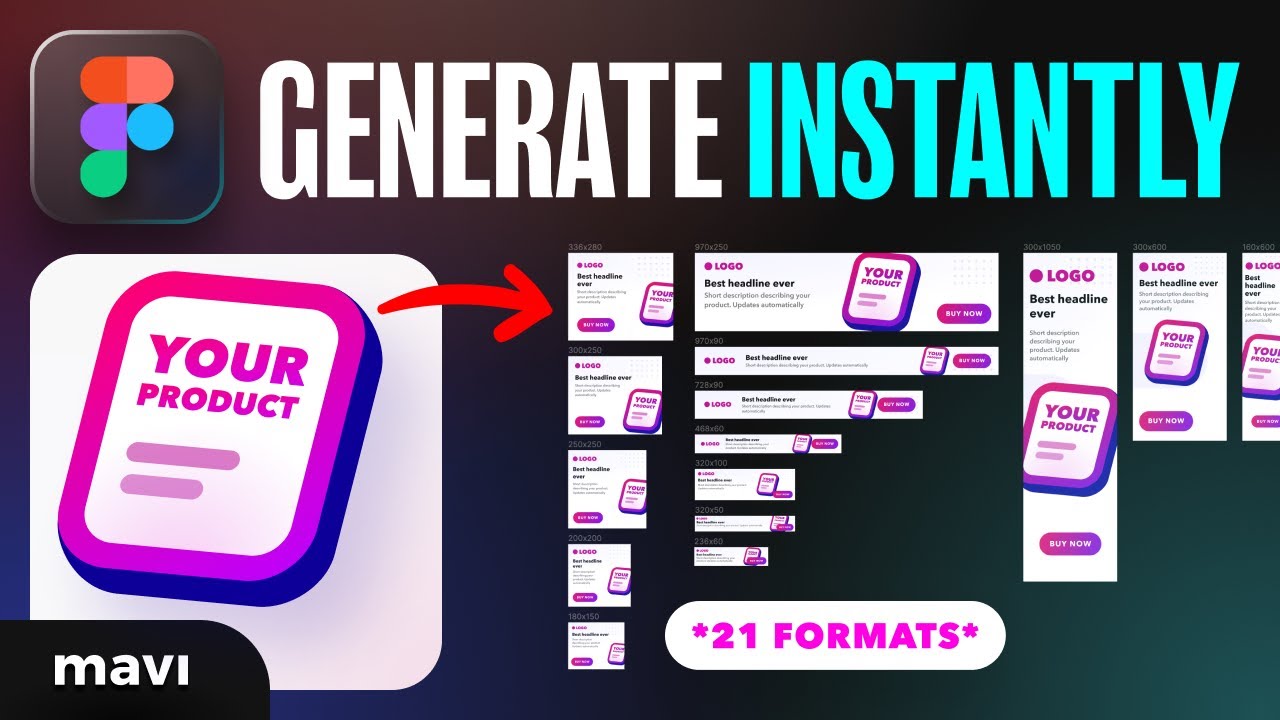
There are various standard sizes for banner ads, such as leaderboards, rectangles, and skyscrapers. The size you choose depends on the platform and placement where you intend to display your ads. Ensure that the size you select is visually appealing and provides enough space for compelling content.
Step 4: Grab Attention with a Compelling Headline
The headline is the first thing viewers will notice in your banner ad. Make sure it is concise, attention-grabbing, and relevant to your offer. If possible, incorporate actionable language or a call-to-action to encourage immediate action.
Step 5: Utilize Eye-Catching Images and Graphics
Visuals play a critical role in capturing viewers’ attention. Use high-quality images or graphics that align with your brand and message. Avoid cluttered designs and ensure that your visuals are relevant to your offer and target audience.

Step 6: Craft Compelling Ad Copy
The ad copy should provide concise and persuasive information about your product or service. Keep it simple, easy to understand, and focused on the key benefits or unique selling points. Use clear and compelling language to evoke curiosity and entice viewers to click.
Step 7: Incorporate a Strong Call-to-Action (CTA)
A strong CTA tells viewers what action they should take after seeing the ad. Whether it’s “Shop Now,” “Learn More,” or “Sign up,” the CTA should be clear, prominent, and aligned with your goals. Use actionable language and contrasting colors to make it stand out.
Step 8: Optimize for Mobile Devices
Considering the increasing use of mobile devices, it’s vital to optimize your banner ads for mobile screens. Ensure that your ad is responsive and adapts well to different screen sizes. Use legible fonts and make sure the content is easily readable on smaller devices.

Step 9: A/B Test Your Banner Ads
A/B testing is crucial to determine which banner ad variations perform better. Test different elements such as headlines, visuals, colors, and CTAs to identify the most effective combination. Analyze the results and iterate on your designs to continuously improve click-through rates and conversions.
Step 10: Track and Analyze Performance
Once your banner ads are live, it’s essential to track their performance and analyze the data. Monitor metrics like click-through rates, conversions, and engagement to assess the effectiveness of your campaign. Use this data to optimize future campaigns and inform decision-making.
In conclusion, creating effective banner ads requires careful planning, understanding your target audience, and continuous optimization. By following these steps and constantly improving your designs based on data, you can increase the effectiveness of your online advertising campaigns.
Statistic: According to a study by Bannersnack, the average click-through rate (CTR) for banner ads across all formats and industries is around 0.05%. However, the CTR can vary significantly depending on the quality of the ad and the relevance to the target audience.
Key Takeaways: How To Make Banner Ads
When it comes to creating effective banner ads for online advertising, there are several key points that advertisers and designers should consider. Here are the main takeaways from this article:
- Understanding the Importance of Banner Ads: Banner ads are a crucial component of online advertising, as they help grab users’ attention, drive traffic, and increase brand awareness.
- Defining Goals and Objectives: Before creating banner ads, it is essential to establish clear goals and objectives to ensure the ads align with the intended purpose, whether it is to generate leads, increase sales, or boost website visits.
- Choosing the Right Ad Format: Selecting an appropriate ad format is crucial. Common formats include static banners, animated GIFs, HTML5 banners, and video ads. Each format has its strengths and limitations, and it’s important to consider factors such as load times and compatibility with different platforms.
- Creating Compelling Visuals: Great visuals are vital for banner ads. Use high-quality images, colors that grab attention, and clear typography to make the ad visually appealing and impactful. Avoid clutter and ensure the visuals align with your brand identity and target audience.
- Crafting a Strong Call-to-Action (CTA): A compelling CTA is essential to entice users to take action. Use clear and concise language, create a sense of urgency, and make the CTA button prominent to encourage clicks.
- Optimizing Loading Speed: Banner ads should load quickly to avoid frustrating users. Optimize image sizes, reduce unnecessary elements, and test the ad’s loading speed on different platforms and devices to ensure a seamless experience.
- Designing Responsive Ads: Given the variety of devices users might view banner ads on, it is crucial to design responsive ads that adapt to different screen sizes and orientations. Responsive design helps to maintain a consistent user experience across various devices.
- Focusing on Ad Placement: Consider the placement of banner ads on websites strategically. They should be positioned where they are likely to get the most visibility and engage the target audience effectively. Collaborate with publishers or use ad networks to find high-traffic websites and platforms.
- Testing and Iterating: Continuous testing and iteration are essential to improve the performance of banner ads. Use A/B testing to evaluate different versions of ads, track key metrics, and make data-driven decisions to optimize the design and message.
- Adhering to Advertising Guidelines: Adhere to advertising guidelines set by advertising networks or platforms to ensure compliance and avoid rejection or penalization. Guidelines may cover aspects such as ad dimensions, file size limitations, and prohibited content.
- Measuring Ad Performance: Monitor the performance of banner ads using analytics tools. Track metrics such as click-through rates (CTR), conversion rates, and engagement levels to measure success and determine areas for improvement.
- Staying Up-to-date with Trends: The field of online advertising is constantly evolving. Stay updated with the latest design trends, ad formats, and consumer preferences to create banner ads that resonate with the target audience.
- Utilizing Dynamic Remarketing: Dynamic remarketing allows advertisers to display customized banner ads to users who have previously shown interest in their products or services. Leverage user data and effective remarketing strategies to reach potential customers who are more likely to convert.
- Collaborating with Professionals: Consider engaging professional designers or agencies with expertise in banner ad creation. Their knowledge and experience can help ensure high-quality ads that align with industry best practices and achieve desired results.
- Monitoring Competitors: Keep an eye on competitor banner ads to gain insights into their strategies and identify opportunities for differentiation. Analyze their design elements, copywriting techniques, CTAs, and ad placements to stay competitive.
By incorporating these takeaways into your banner ad creation process, you can enhance the effectiveness of your online advertising campaigns, increase engagement, and ultimately achieve your marketing goals.
FAQs: How To Make Banner Ads
1. How do I create a captivating banner ad?
To create a captivating banner ad, start by selecting an eye-catching color scheme and imagery that represents your brand. Keep the text concise, use clear and bold fonts, and include a strong call-to-action (CTA) to increase engagement.
2. What are the recommended dimensions for a banner ad?
Commonly used banner ad dimensions include 300×250 pixels, 728×90 pixels, and 160×600 pixels. However, it’s important to research the specific platform requirements to ensure your banner ad is properly displayed.
3. Should I use animation in my banner ads?
Animation can be a great way to grab attention, but ensure it is not distracting or overwhelming. Consider using subtle motion effects to make your banner ad more engaging, while still keeping it user-friendly.
4. How can I optimize my banner ad for mobile devices?
To optimize your banner ad for mobile, focus on simplicity and make sure your content is easily readable on smaller screens. Use larger fonts, clear call-to-action buttons, and test your ad on various mobile devices to ensure it displays correctly.
5. What are the best practices for designing banner ads?
Some best practices for designing banner ads are: keeping the file size small for faster loading, using high-resolution images, avoiding excessive text, and maintaining a consistent visual style with your brand.
6. Can I target specific audiences with banner ads?
Absolutely! Many advertising networks and platforms offer advanced targeting options, allowing you to reach specific audiences based on demographics, interests, browsing behavior, and more. Research your chosen platform’s targeting capabilities to maximize your campaign’s effectiveness.
7. How can I measure the success of my banner ad campaign?
You can measure the success of your banner ad campaign by monitoring key performance indicators (KPIs) such as click-through rates (CTR), conversion rates, bounce rates, and return on investment (ROI). Utilize tracking tools and analytics platforms to gather data and analyze the impact of your campaign.
8. Is it better to use static or dynamic banner ads?
Both static and dynamic banner ads have their advantages. Static ads are simpler to create and load faster, while dynamic ads allow for personalized content and can be more engaging. Consider your specific campaign goals and target audience to determine which type is most suitable.
9. What are the typical file formats for banner ads?
The most commonly used file formats for banner ads are JPEG, PNG, and GIF. However, some platforms may have restrictions on file types, so it’s advisable to check their guidelines before finalizing your ad.
10. How do I balance text and visuals in a banner ad?
Balance is key when it comes to text and visuals in a banner ad. Ensure the text is concise and easily readable, without overwhelming the visual elements. Use images that complement and enhance your message, working together seamlessly to grab attention.
11. Can I include multiple CTAs in a single banner ad?
While it’s generally recommended to have a single, focused call-to-action in a banner ad, you can include multiple CTAs if necessary. However, be cautious not to overwhelm the viewer and dilute the message.
12. Should I include my brand logo in a banner ad?
Yes, including your brand logo in a banner ad helps improve brand recognition and establishes credibility. Ensure the logo is properly sized, positioned, and integrated with the overall ad design.
13. How can I make my banner ad stand out from competitors?
To make your banner ad stand out, focus on creating unique and eye-catching visuals, using compelling headlines and copy, and offering value to the viewer. Research your competitors to identify their strategies and find ways to differentiate your ad.
14. Is it important to test my banner ad variations?
Testing different variations of your banner ad is crucial for optimizing its performance. A/B testing can help you identify the most effective design elements, call-to-actions, and messaging, allowing you to continuously improve your campaigns.
15. Can I use banner ads on social media platforms?
Yes, many social media platforms offer the option to create and display banner ads. However, be mindful of each platform’s guidelines and design requirements to ensure your ads comply with their specifications.
Conclusion
In conclusion, creating effective and engaging banner ads is crucial for any online advertising service or advertising network. By following these key points and insights, you can ensure that your banner ads not only catch the viewer’s attention but also effectively communicate your message and drive conversions.
First and foremost, it is important to have a clear objective in mind before creating a banner ad. Understanding your target audience and the desired action you want them to take will help you design a more tailored and effective ad. Whether it is to encourage clicks, generate leads, or promote brand awareness, your objective should guide the design and messaging of your banner ad.
Next, designing an eye-catching and visually appealing banner ad is essential to grab the viewer’s attention. Start with a strong and concise headline that immediately communicates your value proposition. Keep the ad simple and uncluttered, using high-quality images and minimal text. Remember to choose colors and fonts that align with your brand and attract attention, but avoid using too many different elements that may distract or confuse the viewer.
Another key consideration is the placement of your banner ad. Ensure that your ad is placed on websites that align with your target audience and the message you want to convey. By reaching the right audience, you increase the chances of your banner ad being noticed and clicked on. Consider using targeting methods such as contextual targeting, demographic targeting, or behavioral targeting to precisely reach your intended audience.
Furthermore, optimizing your banner ad for mobile devices is crucial in today’s mobile-first world. With the majority of internet users accessing the web through their smartphones, it is essential to create responsive banner ads that look great and function well across all devices. Test your ads on various screen sizes and resolutions to ensure that they adapt seamlessly.
Additionally, understanding the psychology of the viewer can greatly enhance the effectiveness of your banner ads. Utilize persuasive techniques such as scarcity, social proof, and urgency to create a sense of value and urgency for the viewer. Incorporate call-to-action buttons that are clear, compelling, and easy to understand. By tapping into the viewer’s emotions and desires, you can encourage them to take the desired action.
Another important aspect to consider is the measurement and analysis of your banner ads’ performance. Track key metrics such as click-through rates (CTR), conversion rates, and engagement rates to determine the success of your ads. Use A/B testing to experiment with different designs, messaging, and targeting strategies, and optimize your ads based on the data gathered. Continuously monitor and refine your banner ads to ensure that they are performing at their best and achieving your business goals.
Lastly, staying updated with the latest trends and best practices in banner ad design is crucial for success. As technology and user preferences evolve, it is important to adapt and incorporate new techniques and formats into your ad strategy. Stay informed about emerging formats such as video or interactive banners, and experiment with innovative approaches to keep your banner ads fresh and engaging.
In conclusion, creating effective banner ads requires careful planning, thoughtful design, and continuous evaluation. By following these key points and insights, you can maximize the impact of your banner ads and drive success for your online advertising service or advertising network. Remember to stay creative, target the right audience, optimize for mobile, utilize persuasive techniques, measure performance, and adapt to changing trends.