


- Key Takeaways for Geo Fencing And Geo Tagging
- FAQs for Geo Fencing and Geo Tagging
- What is Geo Fencing?
- How does Geo Fencing work?
- What are the benefits of using Geo Fencing in advertising?
- What is Geo Tagging?
- How does Geo Tagging benefit online marketing?
- What are some common applications of Geo Fencing and Geo Tagging?
- What technologies are used for Geo Fencing and Geo Tagging?
- Are there any privacy concerns associated with Geo Fencing and Geo Tagging?
- What is geofencing advertising and how does it differ from traditional advertising?
- Is it expensive to implement Geo Fencing and Geo Tagging in advertising campaigns?
- How can businesses measure the effectiveness of Geo Fencing and Geo Tagging campaigns?
- Are there any limitations to Geo Fencing and Geo Tagging?
- Can Geo Fencing be used for offline businesses?
- What factors should businesses consider when implementing Geo Fencing and Geo Tagging?
- What future trends can we expect in Geo Fencing and Geo Tagging advertising?
- Conclusion
Geofencing and geotagging are two key concepts in the world of digital marketing andadvertising. They have revolutionized the way businesses reach their target audience and deliver personalized messaging.

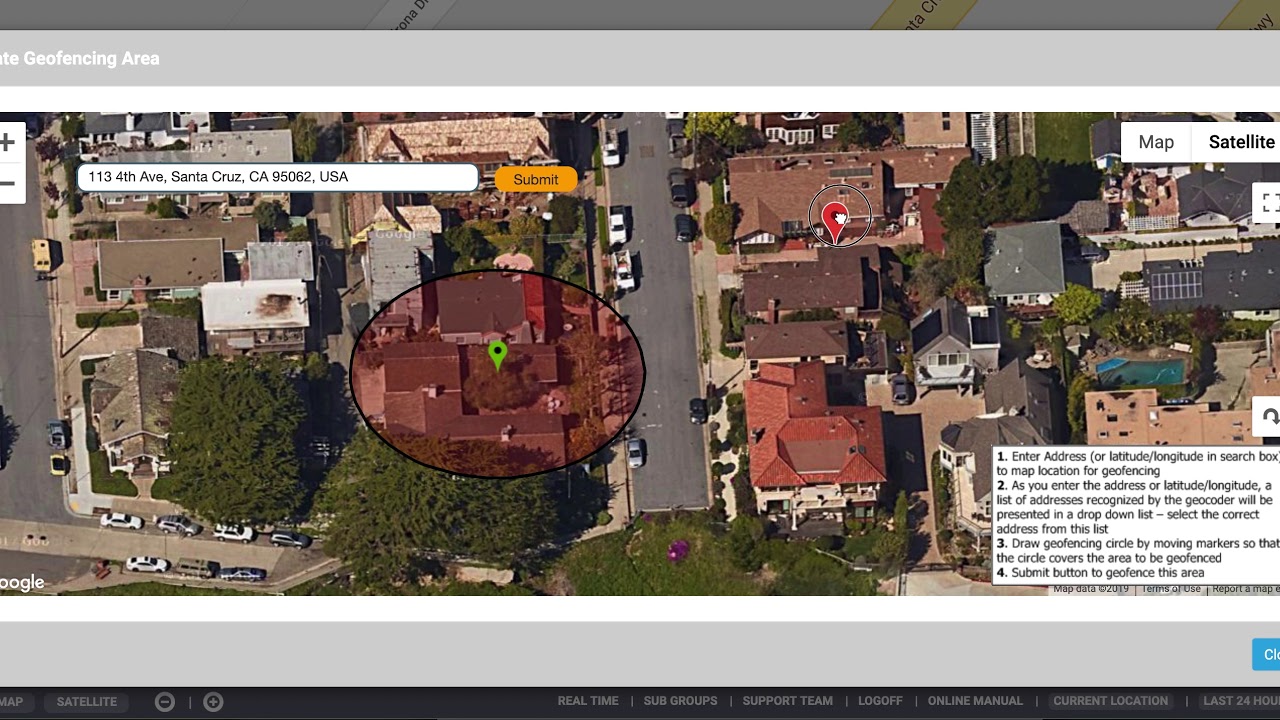
Geofencing refers to the practice of creating a virtual perimeter around a specific geographic area, such as a retail store or event venue, using GPS or RFID technology. This allows marketers to target users within that area with location-based ads or offers. The concept of geo fencing originated in the early 2000s, but has gained significant traction in recent years due to advancements in smartphone technology and increased use of location-based services.
The current significance of geo fencing lies in its ability to deliver highly targeted and relevant ads to consumers based on their physical location. For example, a coffee shop can use geo fencing to send a special offer or discount to users who are within a certain radius of their store. This not only increases foot traffic to the shop, but also ensures that the ad is relevant to the user at that specific moment in time.

One compelling statistic that highlights the effectiveness of geo fencing is that 80% of smartphone users are more likely to make a purchase from a store that sends them personalized location-based messages. This clearly demonstrates the power of geo fencing in driving consumer behavior and increasing brand engagement.
Geo tagging, on the other hand, involves attaching a specific location tag to a piece of content, such as a photo or social media post. This allows businesses to track the location of their users and gain valuable insights into their behaviors and preferences. Geo tagging has become increasingly popular with the rise of social media, where users often share their location along with their posts.

The current significance of geo tagging lies in its ability to enhance targeting capabilities and personalize marketing efforts. By understanding where users are posting from, businesses can deliver ads or messages that are tailored to their specific location and interests. For example, a travel agency can use geo tagging to target users who have recently posted pictures from a beach destination, and offer them a discounted vacation package.
In conclusion, geo fencing and geo tagging are two powerful tools that have transformed the world of digital marketing and advertising. With their ability to deliver highly targeted and personalized messaging, businesses can effectively reach their target audience and drive consumer behavior. The future of advertising lies in harnessing the power of location-based services, and leveraging the insights gained from geo fencing and geo tagging to create meaningful and engaging experiences for users.

| Item | Details |
|---|---|
| Topic | Geo Fencing And Geo Tagging |
| Category | Ads |
| Key takeaway | Geo fencing and geo tagging are two key concepts in the world of digital marketing and advertising. |
| Last updated | February 26, 2026 |
Key Takeaways for Geo Fencing And Geo Tagging
In today’s digital age, where location plays a significant role in targeting potential customers, Geo Fencing and Geo Tagging have emerged as powerful tools for online advertising and digital marketing. These technologies allow businesses to deliver personalized, targeted messages to individuals based on their physical location. In this article, we will explore the key takeaways of Geo Fencing and Geo Tagging and how they can benefit an online advertising service or advertising network.
1. Geo Fencing and Geo Tagging Defined: Geo Fencing refers to the digital boundaries created around a specific physical area, while Geo Tagging involves attaching location information, such as coordinates or addresses, to digital content.

2. Enhanced Targeting: By utilizing Geo Fencing and Geo Tagging, online advertising services can target specific locations, including cities, neighborhoods, or even individual businesses, ensuring that their ads are shown to the most relevant audience.
3. Personalized Messaging: Geo Fencing and Geo Tagging enable advertisers to deliver highly customized messages to users based on their location, making the ads more relevant, engaging, and likely to elicit a response.
4. Increased Relevance: When users see ads that are tailored to their immediate surroundings, they are more likely to perceive them as relevant and useful, increasing the chances of conversion and engagement.
5. Real-Time Updates: Geo Fencing and Geo Tagging allow online advertising networks to provide real-time updates to users based on their current location, such as nearby discounts, events, or exclusive offers.

6. Geofence Triggered Campaigns: Advertisers can create geofence-triggered campaigns that automatically deliver messages to users when they enter or exit a specific location, maximizing the impact of their marketing efforts.
7. Location-Specific Analytics: By leveraging Geo Fencing and Geo Tagging, online advertising services can gain valuable insights into user behavior and engagement for specific locations, enabling them to continually optimize their campaigns.
8. Increased Conversion Rates: When ads are personalized based on a user’s location, it can significantly improve conversion rates. Users are more likely to take action when they realize that the advertised product or service is available nearby.

9. Hyperlocal Targeting: Geo Fencing and Geo Tagging allow advertisers to target users in hyperlocal areas, such as a specific store or event venue, ensuring that their ads reach the most relevant audience at the right time.
10. Cross-Channel Integration: Integrating Geo Fencing and Geo Tagging with other online marketing channels, such as social media or email marketing, allows for a coherent and consistent message delivery across multiple platforms.
11. Improved ROI: By targeting specific locations and delivering personalized messages, online advertising services can improve their return on investment (ROI) by ensuring that their resources are utilized effectively and efficiently.

12. Enhanced Customer Engagement: When users receive ads that are tailored to their location, they are more likely to engage with the content, share it with others, and provide valuable feedback or reviews.
13. Competitive Advantage: Implementing Geo Fencing and Geo Tagging can give an online advertising service a competitive edge by offering unique and innovative solutions to businesses looking to refine their digital marketing strategies.
14. Privacy Concerns: While Geo Fencing and Geo Tagging offer significant benefits, it is essential to address and mitigate any privacy concerns that users may have. Transparent communication and adhering to privacy regulations are critical to maintaining trust with the target audience.

15. Evolving Technologies: The field of Geo Fencing and Geo Tagging is continually evolving, with new technologies and techniques being developed. Staying up to date with the latest advancements in this field is crucial for an online advertising service to stay ahead of the competition.
In conclusion, Geo Fencing and Geo Tagging provide online advertising services, advertising networks, and digital marketers with powerful tools to deliver targeted, personalized messages based on a user’s location. By leveraging these technologies, businesses can enhance their targeting capabilities, increase relevance, improve conversion rates, and gain valuable insights into user behavior. However, it is crucial to address privacy concerns and stay informed about new developments to maintain a competitive advantage in the dynamic world of online advertising and digital marketing.
FAQs for Geo Fencing and Geo Tagging
What is Geo Fencing?
Geo Fencing is a location-based advertising technique that uses GPS or RFID technology to create a virtual boundary around a specific geographical area. When a user enters or exits the defined area, targeted advertisements or notifications are sent to their mobile devices.
How does Geo Fencing work?
Geo Fencing works by leveraging the GPS capabilities of smartphones or other connected devices. Advertisers set up virtual perimeters around specific locations and define criteria such as user demographics or interests. When a user enters or exits the defined area, the system triggers relevant advertisements or notifications through mobile apps or other digital channels.
What are the benefits of using Geo Fencing in advertising?
Using Geo Fencing in advertising provides several benefits, including:
- Hyper-local targeting to reach a specific audience in a defined area.
- Increased relevance and personalization of ads based on user location.
- Improved engagement and conversion rates by targeting users in real-time.
- Enhanced brand visibility and awareness in specific geographic locations.
What is Geo Tagging?
Geo Tagging is the process of attaching location-specific metadata, such as latitude and longitude coordinates, to digital content, such as photos or social media posts. This metadata allows the content to be associated with a specific geographical location.
How does Geo Tagging benefit online marketing?
Geo Tagging benefits online marketing by:
- Enabling businesses to target their marketing efforts to specific geographic areas, tailoring their messages to local audiences.
- Improving search engine optimization (SEO) by providing search engines with precise location information, increasing the visibility of content in local search results.
- Enhancing user-generated content by allowing users to share their location along with their posts, adding context and relevance to their content.
What are some common applications of Geo Fencing and Geo Tagging?
Geo Fencing and Geo Tagging have various applications in online marketing, including:
- Targeted mobile advertising campaigns for local businesses, such as restaurants, retailers, or hotels.
- Event promotions and location-based offers to attract nearby audiences.
- Enhancing social media marketing by geo-tagging posts or running location-specific campaigns.
- Geographically targeted email or SMS marketing campaigns.
What technologies are used for Geo Fencing and Geo Tagging?
Geo Fencing and Geo Tagging rely on various technologies, including:
- Global Positioning System (GPS) to determine precise location coordinates.
- Radio Frequency Identification (RFID) technology to create virtual perimeters.
- Mobile apps or SDKs (Software Development Kits) to track user locations and trigger notifications.
Are there any privacy concerns associated with Geo Fencing and Geo Tagging?
While Geo Fencing and Geo Tagging provide valuable marketing opportunities, privacy concerns may arise. It is crucial for businesses and marketers to comply with privacy regulations and ensure transparency and user consent regarding data collection and usage.
What is geofencing advertising and how does it differ from traditional advertising?
Geofencing advertising refers to targeting users within a specific geographic area with relevant advertisements or promotions. It differs from traditional advertising by offering more precise location-based targeting, real-time interactions, and the ability to tailor messages based on geolocation. Traditional advertising methods, on the other hand, often rely on broader demographic targeting or general media channels.
Is it expensive to implement Geo Fencing and Geo Tagging in advertising campaigns?
The cost of implementing Geo Fencing and Geo Tagging in advertising campaigns can vary depending on factors such as the size of the targeted area, the number of users reached, and the complexity of the technology employed. However, with the increasing availability of location-based marketing solutions, the costs have become more affordable, making it accessible to businesses of different sizes.
How can businesses measure the effectiveness of Geo Fencing and Geo Tagging campaigns?
Businesses can measure the effectiveness of Geo Fencing and Geo Tagging campaigns through various metrics, including:
- Click-through rates (CTR) and engagement data to assess user response and interaction.
- Conversion rates to determine the impact on sales or desired actions.
- Foot traffic data or store visits to measure the physical impact of campaigns for brick-and-mortar businesses.
- ROI analysis by comparing the cost of the campaign with the generated revenue or other predefined goals.
Are there any limitations to Geo Fencing and Geo Tagging?
Although Geo Fencing and Geo Tagging offer valuable advertising opportunities, they do have certain limitations:
- Reliability can be affected by factors such as GPS accuracy, network connectivity, or the use of ad-blockers.
- Privacy concerns may influence user opt-in rates and the amount of data available for targeting.
- Smaller businesses might have limited resources to invest in location-based marketing technologies.
Can Geo Fencing be used for offline businesses?
Yes, Geo Fencing can be highly beneficial for offline businesses as it allows them to precisely target their local customer base. Examples include sending exclusive promotions to users near their physical stores or delivering location-specific notifications during events or trade shows.
What factors should businesses consider when implementing Geo Fencing and Geo Tagging?
When implementing Geo Fencing and Geo Tagging, businesses should consider factors such as:
- Defining clear campaign objectives and key performance indicators (KPIs).
- Understanding the target audience and ensuring that location-based targeting aligns with user preferences.
- Using relevant and creative messaging that takes advantage of the benefits offered by geolocation.
- Complying with privacy regulations and providing users with transparency and control over their data.
What future trends can we expect in Geo Fencing and Geo Tagging advertising?
The future of Geo Fencing and Geo Tagging advertising is likely to involve:
- Advanced analytics and machine learning techniques to refine targeting and optimize campaign performance.
- Integration with emerging technologies such as augmented reality (AR) or virtual reality (VR) for immersive location-based experiences.
- Increased personalization through the use of artificial intelligence (AI) to adapt messages based on user behavior and preferences.
- Improved cross-channel integration, allowing for cohesive and consistent location-based marketing across various platforms.
Conclusion
In conclusion, Geo Fencing and Geo Tagging are powerful tools that can greatly enhance the effectiveness and efficiency of online marketing and advertising campaigns. By leveraging the capabilities of location-based targeting, advertisers and marketers can deliver highly relevant and personalized content to their target audience, resulting in increased engagement and conversion rates.
One key insight that emerged from our discussion is that Geo Fencing allows advertisers to establish virtual boundaries around specific geographic areas, enabling them to deliver tailored messages to users within those areas. This can be particularly useful for local businesses or events that are trying to attract customers within a specific radius. By sending push notifications or targeted ads to users who enter the defined boundaries, businesses can effectively reach their target audience at the right time and place, maximizing their chances of success.
Another important point to note is the role of Geo Tagging in enhancing user-generated content and social media marketing. By allowing users to tag their location when posting on social media platforms, marketers can tap into the power of user-generated content and leverage it for promotional purposes. This not only helps to create a sense of authenticity and credibility but also enables advertisers to reach a wider audience through the social networks of their target users. This highlights the importance of incorporating Geo Tagging strategies into digital marketing efforts to capitalize on the potential of user-generated content.
Furthermore, Geo Fencing and Geo Tagging enable data-driven decision-making by providing valuable insights into consumer behavior and preferences. By analyzing location data, advertisers and marketers can gain a deeper understanding of their target audience and tailor their campaigns accordingly. They can identify patterns and trends, such as peak hours or popular locations, to optimize their ad placements and timing. This level of audience segmentation and targeting improves the return on investment and minimizes wasted ad spend.
Moreover, the combination of Geo Fencing and Geo Tagging with other digital marketing strategies can further enhance the effectiveness of online advertising campaigns. For instance, integrating location-based targeting with programmatic advertising allows for real-time bidding on ad inventory, ensuring that ads are served to the most relevant users at the right time. Additionally, Geo Fencing can be used in conjunction with retargeting campaigns to re-engage users who have previously shown interest in a product or service. These synergies between different marketing techniques amplify the impact of each individual strategy, leading to better results overall.
It is important to acknowledge the potential challenges and limitations associated with Geo Fencing and Geo Tagging. Privacy concerns and the need for transparent data handling practices are of paramount importance in ensuring a positive user experience and maintaining trust. Advertisers must obtain user consent and adhere to strict privacy policies to prevent any misuse of location data. Moreover, the accuracy of location-based targeting relies on the availability of reliable geolocation data. Inaccurate or outdated location information can lead to ineffective targeting and potentially harm the perception of a brand.
In conclusion, Geo Fencing and Geo Tagging offer immense opportunities for online advertising services, advertising networks, and digital marketers. By harnessing the power of location-based targeting and leveraging user-generated content, advertisers can create personalized and relevant campaigns that drive engagement and conversions. The integration of these strategies with other digital marketing techniques further amplifies their impact, resulting in more successful and efficient advertising campaigns. While the challenges of privacy, data accuracy, and transparency must be addressed, the benefits of Geo Fencing and Geo Tagging make them essential tools in the digital marketing landscape.