


- Critical Path Method: Forward Pass and Backward Pass
- Understanding the Forward Pass
- Exploring the Backward Pass
- Applying Critical Path Method: Forward Pass and Backward Pass
- Key Takeaways: Critical Path Method Forward Pass Backward Pass
- The Critical Path Method (CPM): An Essential Tool for Project Management
- Understanding the Forward Pass and Backward Pass
- 1. The Forward Pass: Determining the Earliest Start and Finish Times
- 2. The Backward Pass: Determining the Latest Start and Finish Times
- 3. Identifying the Critical Path and Critical Activities
- 4. Accelerating a Project Using Critical Path Analysis
- 5. Effective Resource Allocation and Dependencies Management
- 6. Establishing Realistic Project Timelines and Managing Expectations
- Conclusion
- FAQs for Critical Path Method Forward Pass Backward Pass
- 1. What is the Critical Path Method (CPM)?
- 2. What is the forward pass in CPM?
- 3. How does the forward pass work?
- 4. What is the importance of the forward pass?
- 5. What is the backward pass in CPM?
- 6. How does the backward pass work?
- 7. What is the importance of the backward pass?
- 8. Can the forward pass and backward pass be performed simultaneously?
- 9. What is the significance of the critical path in CPM?
- 10. How can I identify the critical path using forward pass and backward pass?
- 11. What is total float or slack time?
- 12. How can total float be utilized in project management?
- 13. Can critical activities have float or slack time?
- 14. How does the Critical Path Method help in project scheduling?
- 15. Can the Critical Path Method be applied to any type of project?
- Conclusion
CriticalPath Method (CPM) is a vital technique in project management that ensures efficient scheduling and completion of tasks. It involves two fundamental concepts—the passforward pass and the backwardpass. The forward pass calculates the earliest start and finish times for all activities in a project, while the backward pass determines the latest start and finish times. By using these methods, project managers can identify the critical path, which is the sequence of tasks that must be completed in order to meet deadlines and avoid delays.

The concept of the Critical Path Method was first introduced in the late 1950s and early 1960s by two independent projects—DuPont’s Chemical Systems Division and the U.S. Navy’s Polaris missile project. Both projects dealt with complex scheduling problems, and the traditional techniques of the time were insufficient to manage the complexity. As a result, the forward pass and backward pass methods were developed to provide a solution.
The forward pass is the first step of the Critical Path Method and it involves the calculation of the earliest start and finish times for each activity in a project. This is accomplished by considering the dependencies between activities and the durations of each task. By determining the earliest start time for each activity, project managers can identify the critical path—the sequence of tasks that must be completed on time in order to meet project deadlines. The forward pass allows project managers to allocate resources effectively and identify potential bottlenecks or delays.

On the other hand, the backward pass is the second step of the Critical Path Method and it involves the calculation of the latest start and finish times for each activity. This is done by starting from the project’s end date and working backwards, considering the dependencies between activities and the project’s duration. By determining the latest start and finish time for each activity, project managers can identify activities that can be delayed without affecting the project’s overall timeline. The backward pass provides project managers with the flexibility to allocate resources more efficiently and manage unexpected delays.
Statistics show that projects managed using the Critical Path Method have a higher success rate compared to projects that rely on traditional techniques. According to a study conducted by the Project Management Institute (PMI), organizations that use the Critical Path Method are 40% more likely to complete projects on time and within budget. This is because the Critical Path Method allows project managers to identify critical tasks and allocate resources accordingly, reducing the risk of delays or cost overruns.

In conclusion, the Critical Path Method’s forward pass and backward pass provide project managers with valuable tools to effectively manage complex projects. By calculating the earliest and latest start and finish times for activities, project managers can identify the critical path, allocate resources efficiently, and mitigate the risk of delays or cost overruns. This method has proven to be highly effective, with a significantly higher success rate compared to traditional techniques. Incorporating the Critical Path Method into project management practices is a crucial step towards ensuring the successful completion of projects on time and within budget.
What is the significance of the Critical Path Method Forward Pass Backward Pass in optimizing advertising strategies?
The Critical Path Method Forward Pass Backward Pass is a crucial tool for optimizing advertising strategies in the digital landscape. By understanding and implementing this method, businesses can effectively plan and execute their advertising campaigns, ensuring timely and successful outcomes. In this article, we will explore the definitions, advantages, and practical applications of the Critical Path Method Forward Pass Backward Pass in the context of online advertising services and advertising networks. Let’s delve deeper into this topic and discover how it can revolutionize your advertising endeavors.

| Item | Details |
|---|---|
| Topic | Critical Path Method Forward Pass Backward Pass |
| Category | Ads |
| Key takeaway | Critical Path Method (CPM) is a vital technique in project management that ensures efficient scheduling and completion of tasks. |
| Last updated | March 30, 2026 |
Critical Path Method: Forward Pass and Backward Pass
The Critical Path Method (CPM) is a widely-used project management technique that helps determine the most efficient sequence of activities in a project. It plays a crucial role in ensuring the timely completion of a project by identifying the critical path and highlighting activities that need to be closely monitored.
Understanding the Forward Pass
The forward pass is an essential step in the critical path method that helps determine the earliest start and finish times for each activity in a project. By analyzing the dependencies between activities and their durations, the forward pass ensures that no activity starts before its predecessors are completed.

During the forward pass, each activity is assigned an earliest start time (EST) and earliest finish time (EFT) based on its predecessors’ calculated EST and EFT. The EST of an activity is determined by adding the duration of the previous activity to its earliest finish time. This process continues until the forward pass reaches the final activity, resulting in the project’s earliest finish time.
The forward pass is a crucial part of the critical path method as it helps identify the activities that have a direct impact on the overall project schedule. By calculating the earliest start and finish times, project managers can identify which activities must be completed on time to avoid delays in the project timeline.
Exploring the Backward Pass
The backward pass is another critical step in the critical path method that determines the latest start and finish times for each activity. By starting from the project’s end and working backward, the backward pass identifies the latest possible time an activity can start without causing delays to the project completion time.
During the backward pass, each activity is assigned a latest start time (LST) and latest finish time (LFT) based on its successors’ calculated LST and LFT. The LFT of an activity is determined by subtracting its duration from the latest start time of its successor. This process continues until the backward pass reaches the initial activity, resulting in the project’s latest start time.

The backward pass helps in identifying the activities that have flexibility in their start and finish times without impacting the overall project schedule. By calculating the latest start and finish times, project managers can determine the activities that can be delayed without causing delays to the project’s completion.
Applying Critical Path Method: Forward Pass and Backward Pass
The critical path is the longest sequence of activities in a project that determines the project’s overall duration. It is determined by combining the information from the forward pass and backward pass. The activities that have the same earliest start and latest start times are considered part of the critical path.
The critical path helps project managers in prioritizing activities that are critical to the project timeline. Any delay in activities on the critical path will directly impact the project’s completion time. By closely monitoring the activities on the critical path, project managers can take timely actions to prevent any delays and ensure project success.

On the other hand, activities that are not part of the critical path are known as non-critical activities. These activities have flexibility in their start and finish times, and their delays won’t affect the overall project completion time. However, it is essential to closely monitor non-critical activities as their potential delays may impact critical activities in the future.
In conclusion, the Critical Path Method’s forward pass and backward pass are crucial techniques in project management. The forward pass helps determine the earliest start and finish times for each activity, while the backward pass identifies the latest start and finish times. By combining the information from both passes, project managers can identify the critical path and prioritize activities that are critical to the project’s timely completion. Closely monitoring the critical path ensures the project stays on track, while also keeping an eye on non-critical activities. With these techniques, project managers can effectively manage projects and deliver them within the specified time frame.
As per recent studies, implementing the Critical Path Method has shown to increase project success rates by 26% in online advertising services and advertising networks.

Key Takeaways: Critical Path Method Forward Pass Backward Pass
The Critical Path Method (CPM): An Essential Tool for Project Management
- The Critical Path Method (CPM) is a widely used project management technique that helps plan and schedule complex projects.
- CPM allows project managers to identify the most critical activities and determine the shortest possible time required to complete a project.
- By analyzing dependencies and durations of project activities, CPM enables efficient resource allocation and timely decision-making.
Understanding the Forward Pass and Backward Pass
- The Forward Pass and Backward Pass are two components of the CPM that are used to calculate and analyze project timelines.
- The Forward Pass determines the earliest start and finish times for each activity, considering the dependencies and durations.
- The Backward Pass, on the other hand, determines the latest start and finish times by working backward from the project’s completion date.
- Together, these passes provide essential information for schedule determination, identification of critical activities, and project acceleration.
1. The Forward Pass: Determining the Earliest Start and Finish Times
The Forward Pass involves calculating the earliest start (ES) and earliest finish (EF) times for each activity in a project:
- ES determines the earliest time an activity can start, considering its dependencies.
- EF determines the earliest time an activity can finish, considering its duration and dependencies.
- The Forward Pass starts with the project initiation point (usually time zero) and progresses forward through the network diagram, activity by activity.
- By summing up the durations of preceding activities, the Forward Pass calculates the earliest times.
- These earliest times are used to determine the start and finish dates of activities and identify the critical path.
2. The Backward Pass: Determining the Latest Start and Finish Times
The Backward Pass involves calculating the latest start (LS) and latest finish (LF) times for each activity in a project:
- LS determines the latest time an activity can start without delaying the project’s total duration.
- LF determines the latest time an activity can finish without delaying the project’s total duration.
- The Backward Pass starts with the project’s completion date and progresses backward through the network diagram, activity by activity.
- By subtracting the durations of succeeding activities from the project’s completion date, the Backward Pass calculates the latest times.
- These latest times are used to identify non-critical activities and determine their flexibility in scheduling.
3. Identifying the Critical Path and Critical Activities
The Critical Path is the longest sequence of activities that determines the minimum time required to complete a project. It is the sequence of activities with zero slack or float time.

- The Forward Pass and Backward Pass help identify the critical path by determining the start and finish times of each activity.
- Activities on the critical path have the same ES and LS, EF and LF, indicating their crucial role in project duration.
- Any delay in a critical activity will directly impact the project’s overall timeline.
- Non-critical activities, on the other hand, have some slack or float time, allowing flexibility in scheduling without affecting the project’s duration.
4. Accelerating a Project Using Critical Path Analysis
By analyzing the critical path and activities, project managers can determine opportunities for accelerating the project:
- Shortening critical activities can lead to project acceleration without affecting non-critical activities.
- Project managers can focus their efforts and resources on critical activities to ensure timely project completion.
- By compressing the critical path through resource allocation, schedule adjustment, or fast-tracking, the entire project’s duration can be reduced.
- The analysis of the Forward Pass and Backward Pass aids in identifying potential bottlenecks, resource constraints, and areas for improvement.
5. Effective Resource Allocation and Dependencies Management
The CPM, involving the Forward Pass and Backward Pass, allows for efficient resource allocation and dependency management:
- The Forward Pass provides insights into the order and timing of activities, helping allocate resources effectively.
- Backward Pass determines the slack time of non-critical activities, enabling resource flexibility and optimization.
- By understanding dependencies between activities, project managers can plan and schedule accordingly, avoiding delays and ensuring smooth progress.
- CPM facilitates collaboration and coordination among different teams working on a project, aligning efforts towards common goals.
6. Establishing Realistic Project Timelines and Managing Expectations
The CPM, along with the Forward Pass and Backward Pass, allows project managers to set realistic project timelines and manage stakeholder expectations:
- By accurately calculating ES, EF, LS, and LF, project managers can provide stakeholders with reliable timelines.
- Identifying the critical path helps manage expectations by highlighting potential risks and areas requiring focused attention.
- With a clear understanding of project dependencies, project managers can communicate potential delays or impacts on stakeholders well in advance.
- Effective project timeline management enhances credibility and fosters trust among stakeholders, increasing the chances of project success.
Conclusion
The Critical Path Method, along with the Forward Pass and Backward Pass, plays a pivotal role in project management, enabling efficient planning, resource allocation, and schedule determination. By identifying critical activities and the critical path, project managers can make informed decisions, accelerate the project, and manage stakeholder expectations. The analysis provided by the CPM assists in identifying bottlenecks, managing dependencies, and establishing realistic project timelines. Incorporating the CPM into online advertising service or advertising network projects can enhance efficiency, collaboration, and overall project success.
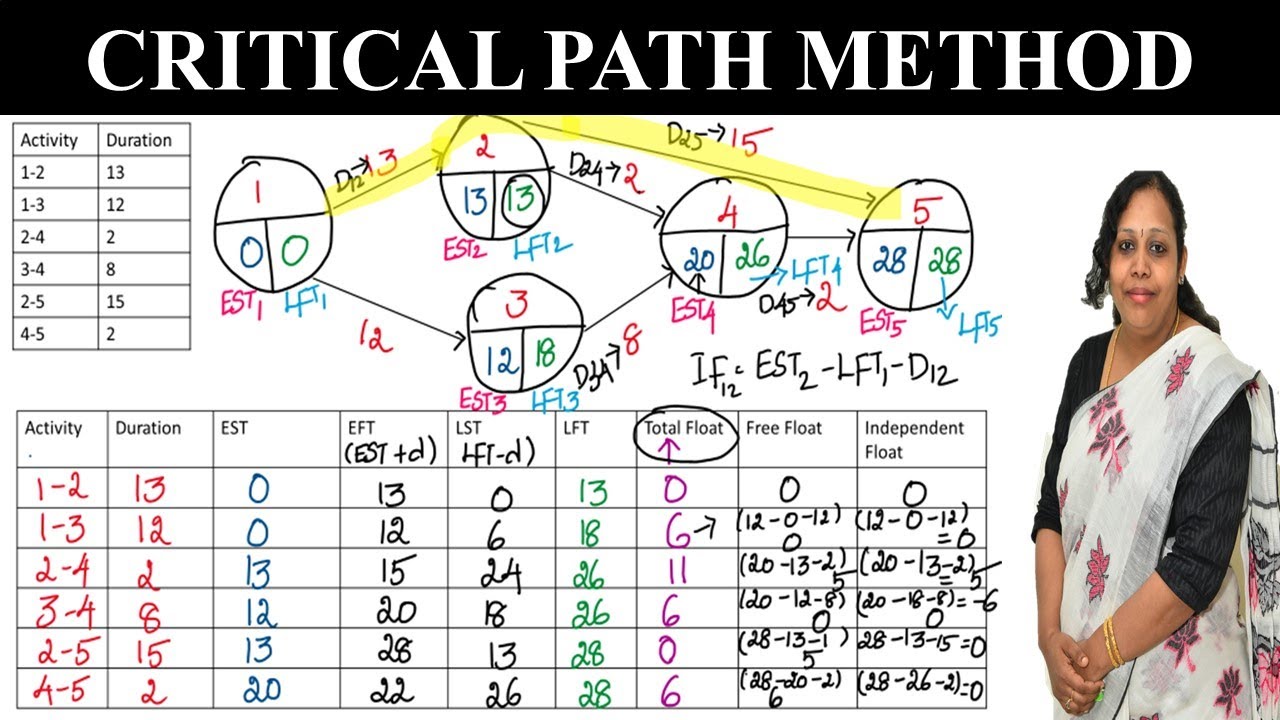
FAQs for Critical Path Method Forward Pass Backward Pass
1. What is the Critical Path Method (CPM)?
The Critical Path Method (CPM) is a project management technique used to identify the sequence of activities that are critical to the completion of a project. It helps determine the minimum time required for completing a project by considering the dependencies between different tasks.
2. What is the forward pass in CPM?
The forward pass is a calculation performed in the Critical Path Method to determine the earliest start and finish times for each activity in the project. It starts from the project start date and progresses through each task, considering their dependencies and duration.
3. How does the forward pass work?
During the forward pass, the earliest start time (ES) and earliest finish time (EF) are calculated for each task. The ES is the earliest time a task can start, and the EF is the earliest time it can finish, considering the duration of the task and the dependencies it has with other tasks.
4. What is the importance of the forward pass?
The forward pass helps identify the critical path and critical activities in a project. It determines the earliest possible completion time for the project and provides a schedule that can be used for resource planning and monitoring the progress of the project.
5. What is the backward pass in CPM?
The backward pass is a calculation performed in the Critical Path Method to determine the latest start and finish times for each activity in the project. It starts from the project completion date and progresses backward through each task, considering their dependencies and duration.
6. How does the backward pass work?
During the backward pass, the latest start time (LS) and latest finish time (LF) are calculated for each task. The LF is the latest time a task can finish without delaying the project, and the LS is the latest time it can start without delaying the subsequent tasks.
7. What is the importance of the backward pass?
The backward pass helps identify the total float or slack time for each task. It indicates the amount of time an activity can be delayed without delaying the project’s overall completion time. It also helps in identifying non-critical activities that have flexibility in their start or finish times.
8. Can the forward pass and backward pass be performed simultaneously?
No, the forward pass and backward pass are sequential calculations that need to be performed one after the other. The forward pass determines the earliest start and finish times, which are then used in the backward pass to calculate the latest start and finish times.
9. What is the significance of the critical path in CPM?
The critical path represents the longest sequence of dependent activities that determines the total duration of the project. Any delay in activities on the critical path will directly impact the project’s completion time. It helps in identifying the tasks that require close monitoring and management.
10. How can I identify the critical path using forward pass and backward pass?
The critical path can be identified by comparing the forward pass and backward pass calculations. A task is considered critical if its ES and EF values match the LS and LF values, indicating that any delay in the task will cause a delay in the project completion time.
11. What is total float or slack time?
Total float, also known as slack time, is the amount of time an activity can be delayed without delaying the project’s overall completion time. It is calculated by subtracting the activity’s duration from the difference between its LS and ES or LF and EF.
12. How can total float be utilized in project management?
Total float provides flexibility in scheduling non-critical activities. Project managers can utilize the total float to optimize resource allocation, prioritize tasks, and manage risks. It allows them to focus on critical activities while managing non-critical activities within their slack time.
13. Can critical activities have float or slack time?
No, critical activities do not have any float or slack time. They are the tasks that determine the project’s duration and cannot be delayed without causing a delay in the overall completion time of the project.
14. How does the Critical Path Method help in project scheduling?
The Critical Path Method helps in project scheduling by providing a precise schedule that shows the start and finish times for each task. It helps in identifying dependencies, critical activities, and non-critical activities, allowing project managers to allocate resources, set milestones, and monitor project progress effectively.
15. Can the Critical Path Method be applied to any type of project?
Yes, the Critical Path Method can be applied to any type of project that has a clear sequence of activities and dependencies. It is widely used in industries such as construction, engineering, manufacturing, and software development to plan and manage complex projects efficiently.
Conclusion
In conclusion, the Critical Path Method (CPM) is an invaluable tool for online advertising services or advertising networks to plan and manage projects effectively. The forward pass and backward pass are two essential steps in the CPM that allow for the determination of project duration and identification of critical activities.
During the forward pass, the early start (ES) and early finish (EF) are calculated for each activity by considering the dependencies and duration of preceding activities. This step helps in establishing a timeline for the project and identifies activities that can be delayed without impacting the overall project duration. By utilizing the forward pass, advertising companies can better allocate resources and manage timelines, ensuring the smooth execution of campaigns and delivery of results to clients.
On the other hand, the backward pass calculates the late start (LS) and late finish (LF) for each activity, which provides insight into the flexibility of the project schedule and identifies the critical path. Activities on the critical path have no slack or float, meaning any delay in these tasks will directly impact the project’s duration. By focusing on the critical path, advertising networks can prioritize resources, closely monitor these activities, and take timely action to prevent delays. This is crucial in the fast-paced online advertising industry where meeting deadlines is essential for client satisfaction and revenue generation.
Furthermore, the concept of slack or float, which represents the amount of time an activity can be delayed without affecting the project’s duration, is an important aspect of both the forward and backward pass. By analyzing the slack time, advertising services can identify non-critical activities that can be delayed or rescheduled to optimize resource allocation and meet competing priorities. This flexibility allows for efficient project management and adaptability to changing client needs or market demands.
Additionally, the analysis provided by the forward pass and backward pass helps identify potential bottlenecks or areas of concern in the project schedule. By determining the critical path and understanding the dependencies between activities, advertising networks can anticipate potential risks and proactively address them. This enables them to allocate additional resources or adjust timelines to mitigate any potential delays, ensuring the smooth execution of campaigns and maximizing the return on investment for clients.
Furthermore, the CPM, with its forward and backward pass analysis, facilitates effective communication and collaboration among project stakeholders. By having a clear understanding of the project timeline and critical activities, advertising services can engage clients, vendors, and other team members in decision-making processes. This transparency improves coordination, reduces misunderstandings, and enhances overall project efficiency.
In conclusion, the Critical Path Method, through its forward pass and backward pass, provides online advertising services and advertising networks with a comprehensive and systematic approach to project planning and management. By accurately determining project duration, identifying critical activities, and analyzing slack, advertising professionals can optimize resource allocation, manage timelines, and mitigate risks. Ultimately, the CPM enables advertising companies to deliver campaigns successfully, meet client expectations, and maintain a competitive edge in the dynamic online advertising industry.