


- CPC and CPM Difference: Understand Which Advertising Model Is Right for You
- CPC: Advertising Model Based on Clicks
- CPM: Advertising Model Based on Impressions
- Choosing the Right Model for Your Advertising Needs
- Key Takeaway and Statistic
- Key Takeaways: CPC and CPM Difference
- FAQs about CPC and CPM Difference
- 1. What is CPC?
- 2. What is CPM?
- 3. How does CPC work?
- 4. How does CPM work?
- 5. Which pricing model is better: CPC or CPM?
- 6. Can I switch between CPC and CPM?
- 7. Is CPC more expensive than CPM?
- 8. Are there any risks with CPC?
- 9. Are there any risks with CPM?
- 10. Can I track conversions with CPC?
- 11. Can I track impressions with CPM?
- 12. Which pricing model offers better targeting options?
- 13. Can I combine CPC and CPM in a single campaign?
- 14. How can I calculate CPC?
- 15. How can I calculate CPM?
- Conclusion
Cost Per Click (CPC) and Cost Per Thousand Impressions (CPM) are two popular pricing models used in online advertising. These models play a crucial role in determining the success and effectiveness of online advertising campaigns. Understanding the differences between CPC and CPM is essential for advertisers as it directly impacts their budget allocation and the return on investment (ROI) they can expect from their campaigns.

CPC, as the name suggests, refers to the cost an advertiser pays each time a user clicks on their online ad. This model gained prominence with the rise of search engine advertising and pay-per-click (PPC) campaigns. In a CPC model, advertisers only pay when a user takes action by clicking on their ad to visit their website or landing page. This pricing strategy provides a direct and measurable way to track the success of an ad campaign, as advertisers can calculate the cost per click and analyze the click-through rate (CTR) to evaluate the campaign’s performance.
On the other hand, CPM is a model based on the number of impressions an ad receives. An impression signifies the number of times an ad is viewed by users. In the CPM pricing model, advertisers pay a set rate for every 1,000 impressions their ads generate. Unlike CPC, CPM does not require users to click on the ad for advertisers to incur costs. Instead, advertisers pay for ad placements and aim to maximize brand visibility and exposure. This model is particularly suitable for advertisers who want to create awareness about their products or services and reach a large audience.

The choice between CPC and CPM depends on the goal of the advertising campaign. For instance, if the primary objective is to drive traffic to a website or generate leads, CPC might be the more appropriate pricing model. On the other hand, if the primary goal is to build brand awareness or promote a new product, CPM might be a better fit.
According to recent industry statistics, the average CPC across different industries can vary significantly. For example, the legal industry has one of the highest average CPCs, reaching up to $6 per click, while the entertainment industry has an average of $0.80. These variations in CPC rates highlight the importance of carefully selecting the appropriate keywords and optimizing ad campaigns to maximize ROI.

Similarly, the average CPM rates also vary across industries and platforms. For instance, the average CPM rate for Facebook ads is around $10, while it can be as much as $20 for premium display ads on high-traffic websites. Advertisers should consider these rates when setting budgets and targeting specific audiences.
In conclusion, understanding the differences between CPC and CPM is crucial for advertisers looking to create effective online advertising campaigns. By analyzing the goals of the campaign, the target audience, and the available budget, advertisers can make informed decisions on which pricing model best suits their needs. Both CPC and CPM offer unique advantages and should be utilized based on the desired outcomes of the campaign. With the ever-evolving landscape of online advertising, advertisers must stay updated on industry trends and continually optimize their campaigns to achieve optimal results.

What is the difference between CPC and CPM in online advertising?
In the world of online advertising, understanding the various metrics and measurement methods is crucial to running successful campaigns. Two of the most common metrics used in online advertising are CPC (Cost Per Click) and CPM (Cost Per Mille). Both metrics play a significant role in determining the effectiveness and efficiency of an advertising campaign, but they differ in terms of how advertisers are charged and the impact they have on their respective goals.
Cost Per Click (CPC) is a metric commonly used in pay-per-click (PPC) advertising campaigns. It measures the cost advertisers pay for each click on their ads. In a CPC campaign, advertisers are charged only when a user interacts with their ad by clicking on it. This makes CPC an effective metric for advertisers looking to drive traffic to their websites or landing pages. By paying only for clicks, advertisers can ensure that their budget is effectively spent on users who are actively engaging with their ads.

On the other hand, Cost Per Mille (CPM) is a metric primarily used in display advertising campaigns. It measures the cost advertisers pay for every 1,000 impressions of their ad. In a CPM campaign, advertisers are charged based on the number of times their ad is displayed, regardless of whether users interact with it or not. CPM is often used by advertisers who want to increase brand awareness or reach a wide audience. It allows them to get their message in front of a large number of users without solely relying on clicks.
The main difference between CPC and CPM lies in how advertisers are charged. With CPC, advertisers only pay when a user clicks on their ad, while with CPM, advertisers pay for every 1,000 impressions of their ad, regardless of clicks. This difference in cost structure has a significant impact on the goals and outcomes of advertising campaigns.
CPC campaigns are often preferred by advertisers who are focused on driving traffic or conversions. By paying only for clicks, advertisers can ensure that their budget is spent on users who are actively interested in their product or service. CPC campaigns also offer more control over the cost per acquisition since advertisers can adjust their bids or targeting to optimize their conversions.
On the other hand, CPM campaigns are more suitable for advertisers who want to increase brand exposure or reach a wide audience. Since advertisers are charged based on impressions, CPM campaigns are effective in generating high visibility and building brand awareness. Additionally, CPM campaigns give advertisers the flexibility to experiment with different creative formats or messaging without being solely reliant on click-through rates.

Ultimately, the choice between CPC and CPM depends on the specific goals and objectives of an advertising campaign. If the main focus is on driving traffic or conversions, CPC is the preferred metric. However, if the goal is to increase brand visibility and reach a wide audience, CPM is the way to go. Evaluating the target audience, campaign objectives, and desired outcomes will help advertisers determine the most appropriate metric to use.
In the next part of this article, we will dive deeper into the advantages and disadvantages of using CPC and CPM, as well as provide real-world examples and tips on optimizing campaigns using these metrics.
| Item | Details |
|---|---|
| Topic | Cpc And Cpm Difference |
| Category | Marketing and Advertising |
| Key takeaway | Cost Per Click (CPC) and Cost Per Thousand Impressions (CPM) are two popular pricing models used in online advertising. |
| Last updated | January 28, 2026 |
CPC and CPM Difference: Understand Which Advertising Model Is Right for You
If you are involved in online advertising or run an advertising network, it is crucial to understand the difference between CPC (Cost Per Click) and CPM (Cost Per Thousand Impressions). These two advertising models determine how you are charged for the ads you run and can have a significant impact on your advertising strategy and budget. In this article, we will dive directly into the core sections to understand the answer to CPC and CPM difference.

CPC: Advertising Model Based on Clicks
CPC, which stands for Cost Per Click, is an advertising model where advertisers pay for each click their ads receive. Instead of paying for ad impressions, CPC focuses on the actual engagement with the ad – the clicks. This model is commonly used in search engine advertising, display advertising, social media advertising, and other online advertising channels.
In the CPC model, the cost is determined by the number of clicks your ad receives. The higher the click-through rate (CTR), the more clicks you are likely to get, and the more you will pay. It is important to note that you only pay when someone clicks on your ad, regardless of how many times it was displayed (impressions).
CPC offers several advantages for advertisers. Firstly, it allows for better control over the advertising budget. Since you only pay when someone clicks, you can manage your spending based on the desired results and adjust your bids accordingly. Secondly, CPC helps measure the effectiveness of your ad campaign. By tracking the number of clicks, you can determine the ROI (Return on Investment) and make data-driven decisions to optimize your campaigns.

However, there are also some challenges with the CPC model. The competition for popular keywords can drive up the cost per click, making it harder for small businesses with limited budgets to compete. Additionally, while clicks indicate engagement, they do not guarantee conversions. It is possible to receive a high number of clicks but fail to convert those clicks into actual sales or leads.
CPM: Advertising Model Based on Impressions
CPM, which stands for Cost Per Thousand Impressions, is an advertising model where advertisers pay for every thousand ad impressions their ads generate. Impressions refer to the number of times an ad is displayed to potential viewers, regardless of whether they click on it or not.
In the CPM model, the cost is determined by the number of impressions your ad accumulates. If your ad has a CPM rate of $10 and receives 10,000 impressions, you will be charged $100. CPM is commonly used in display advertising, programmatic advertising, and other forms of banner advertising.

CPM offers its own set of advantages. Firstly, it allows for broader reach and brand awareness. Since you pay for impressions, your ad is displayed to a larger audience, increasing the chances of your brand being noticed and remembered. Secondly, CPM can be more cost-effective for campaigns focused on brand awareness rather than immediate conversions. If your goal is to spread the word about your brand or product, CPM can be a suitable choice.
However, CPM also comes with challenges. One of the main concerns is the potential for ad fraud, where impressions are generated artificially, leading to wasted ad spend. Advertisers need to monitor their campaigns closely and ensure they are reaching genuine viewers. Additionally, CPM does not guarantee clicks or engagement, so if your goal is direct response or conversions, it may not be the most effective model.
Choosing the Right Model for Your Advertising Needs
When deciding between CPC and CPM, it is essential to consider your specific advertising goals and budget. Both models have their strengths and weaknesses, and the best choice depends on your objectives.
If you are focused on driving conversions, generating leads, or increasing sales, CPC may be the way to go. It allows you to align your spending with actual engagement, measuring the effectiveness of your ads through click-through rates. CPC is particularly effective for direct response campaigns and for businesses with limited budgets, as you only pay when someone clicks on your ad.
On the other hand, if your goal is to raise brand awareness, reach a broad audience, or promote a new product or service, CPM is worth considering. It offers broader exposure and helps build brand recognition through repeated impressions. CPM is suitable for campaigns that prioritize brand recall over immediate conversions.
Ultimately, the choice between CPC and CPM depends on your advertising strategy, target audience, and campaign objectives. It is important to analyze your goals, monitor your campaign’s performance, and make data-driven decisions based on the results.
Key Takeaway and Statistic
Understanding the difference between CPC and CPM is crucial for developing an effective online advertising strategy. Whether you choose CPC or CPM, it is essential to align your choice with your campaign objectives, budget, and target audience. According to recent studies, 53% of digital marketers prefer CPC over CPM due to its cost control and measurable results.
Key Takeaways: CPC and CPM Difference
Understanding the difference between Cost Per Click (CPC) and Cost Per Thousand Impressions (CPM) is crucial for any online advertising service or advertising network. Here are 15 key takeaways that will help you gain a comprehensive understanding of these two essential metrics:
- CPC focuses on clicks: CPC is a metric that measures the cost advertisers pay every time a user clicks on their ad.
- CPM focuses on impressions: CPM, on the other hand, represents the cost advertisers pay for every thousand impressions their ad receives.
- CPC determines the value of a click: CPC helps advertisers evaluate the effectiveness and value of each click generated by their ad campaign.
- CPM values ad visibility: CPM allows advertisers to analyze the visibility and exposure their ads receive.
- CPC provides a direct cost for conversion: CPC is particularly useful when the ultimate goal is to drive conversions, as it provides a direct cost associated with each click that leads to a conversion.
- CPM enhances brand awareness: CPM is beneficial when the primary objective is to increase brand visibility and create brand awareness.
- CPC is suitable for direct response campaigns: For online advertising campaigns that aim to generate immediate responses, such as sign-ups or purchases, CPC is often the preferred choice.
- CPM is ideal for larger ad campaigns: When running large-scale ad campaigns with a focus on brand exposure, CPM can be more effective as it allows for broader reach.
- CPC ensures a high level of targeting: With CPC, advertisers can target specific audience segments and pay only for clicks that come from their desired target audience.
- CPM reaches a wider audience: CPM allows advertisers to reach a broader audience, even those who may not click on the ad directly, helping to build brand recognition and recall.
- CPC provides immediate feedback: Since CPC measures engagement through clicks, advertisers receive immediate feedback on the performance of their ads.
- CPM provides insight into ad placements: CPM allows advertisers to evaluate the effectiveness of different ad placements and adjust their strategy accordingly.
- CPC is subject to ad fatigue: Over time, users may become less likely to click on a particular ad, leading to ad fatigue and potentially higher CPC rates.
- CPM has a lower cost per impression: CPM tends to have a lower cost per impression compared to CPC, making it more cost-effective for broader advertising campaigns.
- CPC offers more control over budget allocation: With CPC, advertisers have greater control over how much they spend since they only pay when someone clicks on their ad.
- CPM allows for better forecasting: Advertisers can forecast costs more accurately with CPM, as they know the exact cost per thousand impressions before launching their campaign.
By understanding these key takeaways, online advertising services and advertising networks can make informed decisions on which metric, CPC or CPM, is most suitable for their specific campaign objectives and target audience. Both metrics offer distinct advantages depending on the desired outcomes of the campaign, and a combination of both may also be a viable strategy in certain circumstances.
FAQs about CPC and CPM Difference
1. What is CPC?
CPC stands for Cost Per Click, which is a pricing model where advertisers pay for each click their ads receive. It is commonly used in search engine advertising and paid search campaigns.
2. What is CPM?
CPM stands for Cost Per Mille (thousand), which is a pricing model where advertisers pay for every thousand impressions their ads generate. It is often used in display advertising and banner campaigns.
3. How does CPC work?
In CPC, advertisers bid on specific keywords or phrases, and they only pay when a user clicks on their ad. The amount they pay per click depends on the competition for the keyword and the quality of their ad campaign.
4. How does CPM work?
In CPM, advertisers pay a fixed rate for every thousand impressions their ads receive. Regardless of whether users click on the ad or not, the advertiser is charged based on the total number of times the ad is displayed.
5. Which pricing model is better: CPC or CPM?
It depends on your advertising goals and strategy. If you want to drive immediate traffic and are focused on clicks, CPC may be more suitable. However, if you want to build brand awareness and increase visibility, CPM may be a better option.
6. Can I switch between CPC and CPM?
Yes, most advertising platforms allow you to choose between CPC and CPM based on your preferences and campaign objectives. You can test both models and analyze the results to determine which one works best for you.
7. Is CPC more expensive than CPM?
Not necessarily. The cost of CPC and CPM depends on various factors such as industry, competition, and targeting options. While CPC may seem more expensive per click, it can also yield higher conversion rates, resulting in a comparable or even lower overall cost compared to CPM.
8. Are there any risks with CPC?
One risk with CPC is that you may end up paying for clicks that do not result in conversions or desired actions. It is essential to continually optimize your ads and monitor performance to ensure you are getting a positive return on investment.
9. Are there any risks with CPM?
With CPM, the risk is that you may pay for ad impressions that do not generate any clicks or engagement. If your ad creative or targeting is not effective, you may not see the desired results even if your ad is displayed numerous times.
10. Can I track conversions with CPC?
Yes, most advertising platforms provide conversion tracking capabilities for CPC campaigns. You can set up conversion goals and track the number of conversions generated from your CPC ads to measure their effectiveness.
11. Can I track impressions with CPM?
Yes, CPM campaigns typically provide impression tracking, allowing you to monitor the number of times your ads are displayed. Impressions can give you an idea of your ad’s reach and visibility.
12. Which pricing model offers better targeting options?
Both CPC and CPM models offer various targeting options. However, CPC campaigns often provide more granular targeting based on keywords, search queries, demographics, and user intent. CPM campaigns typically offer broader targeting options based on audience demographics and interests.
13. Can I combine CPC and CPM in a single campaign?
Yes, some advertising platforms allow you to combine both pricing models in a single campaign. This can be useful if you want to optimize for both clicks and impressions or if you want to test which model works best for your specific objectives.
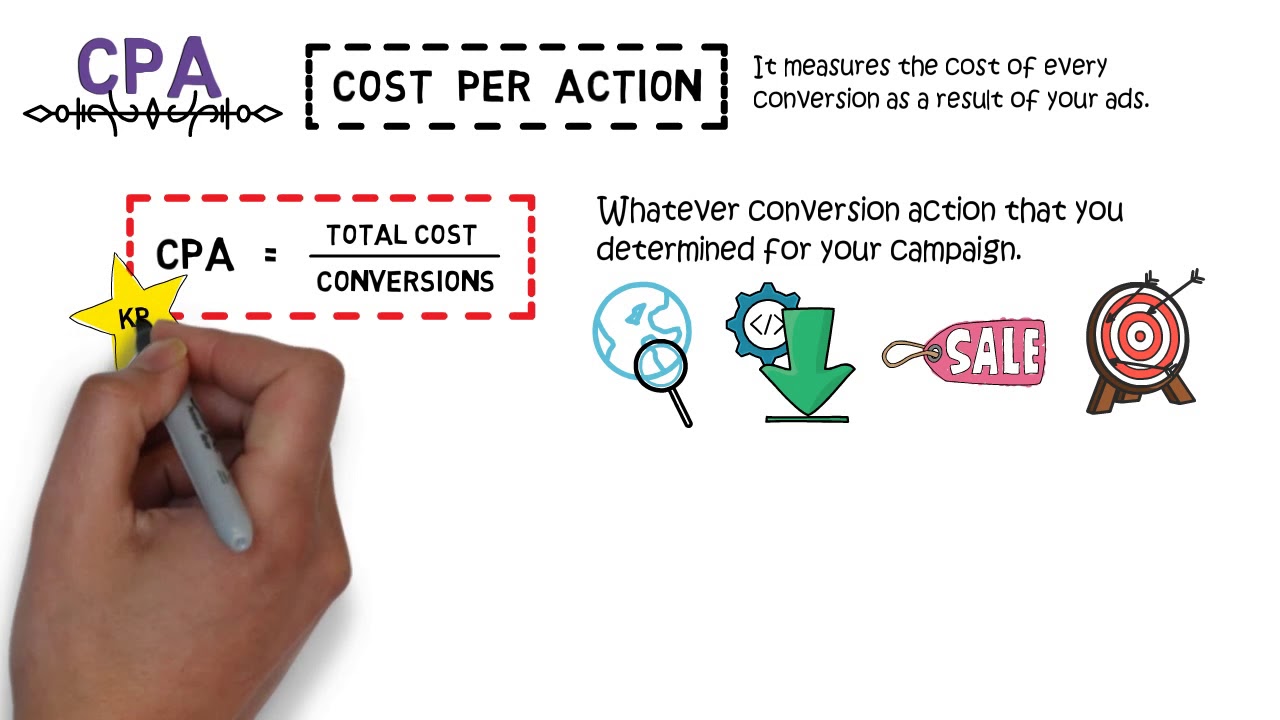
14. How can I calculate CPC?
To calculate CPC, divide the total cost of your ads by the number of clicks they have generated. For example, if you spent $100 on ads and received 200 clicks, your CPC would be $0.50 ($100/200).
15. How can I calculate CPM?
To calculate CPM, divide the total cost of your ads by the number of impressions they have generated, and then multiply the result by 1000. For example, if you spent $500 on ads and received 100,000 impressions, your CPM would be $5 ($500/(100,000/1000)).
Conclusion
In conclusion, understanding the difference between CPC and CPM is crucial for any advertiser or marketer looking to leverage online advertising networks and services effectively. CPC, or cost-per-click, refers to the model where advertisers are charged for each click their ads receive. This model is ideal for campaigns aimed at driving traffic to a website or landing page, as advertisers only pay when users take action. On the other hand, CPM, or cost-per-impression, is a model where advertisers are charged for every thousand ad impressions their ads receive. CPM is a great choice for brand awareness campaigns, as it ensures that ad content is seen by a large number of users, regardless of whether they actually click on the ad.
One of the key differences between CPC and CPM is the pricing structure. CPC follows a performance-based pricing model, as advertisers only pay when a user clicks on their ad. This means that advertisers can more accurately measure the success and return on investment (ROI) of their campaigns, as they can track the number of clicks received and compare it to the cost incurred. CPM, on the other hand, follows a fixed cost model, where advertisers pay a predetermined rate for every thousand impressions their ad receives. This can be advantageous for advertisers looking to maximize brand exposure, as they are guaranteed a certain number of impressions, regardless of user interaction. However, it can be more challenging to measure the direct impact and ROI of CPM campaigns.
Another important factor to consider when deciding between CPC and CPM is the campaign objective. If the goal is to drive immediate conversions, leads, or website traffic, CPC is a more suitable option. Advertisers have more control over their budget and can optimize their campaigns to target specific audiences and keywords that are more likely to convert. On the other hand, if the objective is to increase brand visibility and awareness, CPM can be a better choice. Advertisers can reach a larger audience and generate more impressions, increasing the chances of their brand being noticed and remembered by users. However, it’s important to note that CPM may not guarantee actual engagement or conversions, so it’s crucial to have clear metrics and goals in place to assess the success of the campaign.
Ultimately, the choice between CPC and CPM will depend on the specific goals, budget, and target audience of the advertising campaign. By understanding the differences between these models, advertisers can make informed decisions and select the most appropriate strategy to achieve their objectives. It’s also worth considering that a combination of both CPC and CPM can be used effectively in a comprehensive online advertising strategy, depending on the different stages of the customer journey and marketing funnel. The key is to constantly monitor and analyze the performance of the campaigns, making necessary adjustments and optimizations to maximize the impact and return on investment.