


- Answer: Best Colors For Advertising
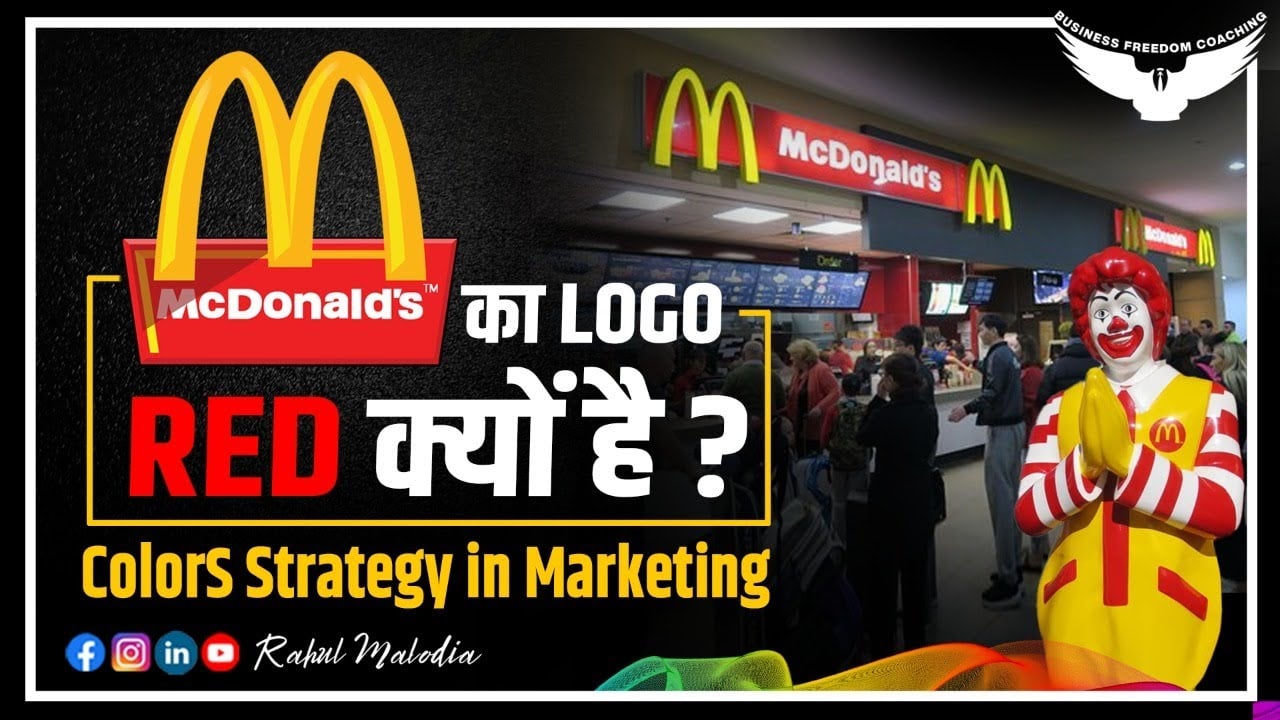
- Red: Passion and Urgency
- Blue: Trust and Dependability
- Yellow: Happiness and Optimism
- Green: Growth and Balance
- Orange: Energy and Creativity
- Purple: Luxury and Royalty
- Gray: Neutrality and Professionalism
- An Online Advertising Perspective:
- Key Takeaways: Best Colors for Advertising
- FAQs About the Best Colors for Advertising
- 1. What role do colors play in advertising?
- 2. How can colors impact consumer perception?
- 3. Are there any universally effective colors for advertising?
- 4. Which colors are suitable for creating a sense of excitement and urgency?
- 5. What colors work best to convey trust and reliability?
- 6. Are there any colors to avoid in advertising?
- 7. Can using multiple colors in an advertisement be effective?
- 8. How can I choose the right colors for my target audience?
- 9. Should I consider current design trends when selecting colors for advertising?
- 10. Can colors impact conversion rates in online advertising?
- 11. How can I use color psychology to improve my advertising campaigns?
- 12. Are there any limitations to color selection in advertising?
- 13. Can I use different colors for different advertising channels?
- 14. Should I consider color accessibility in my advertising?
- 15. How often should I reevaluate my color choices for advertising?
- Conclusion
Color plays a crucial role in advertising and marketing campaigns. It can evoke emotions, create brand recognition, and capture the attention of potential customers. Understanding the psychology of color in advertising is essential for online advertising services and advertising networks looking to maximize their impact and effectiveness.

One attention-grabbing fact is that studies have shown that 90% of snap judgments made about products or services can be based on color alone. This highlights the importance of selecting the right colors in advertisements. The concept of using color in advertising can be traced back to ancient times, with paintings and symbols used to represent products and services. However, it was not until the 1920s that advertisers began to systematically study the impact of color on consumer behavior.
Color psychology, a branch of psychology that examines the effects of color on human behavior, has gained popularity in recent years. This field analyzes how different colors influence emotions, attitudes, perceptions, and purchasing decisions. One compelling statistic is that 85% of consumers state that color is the primary reason they purchase a particular product. This highlights the power of color in attracting and influencing consumers.

When it comes to advertising, specific colors have been found to be more effective for different purposes. For example, red is often associated with excitement, energy, and urgency, making it a popular choice for sales and limited-time offers. Blue, on the other hand, is often linked to trust, reliability, and tranquility, making it a suitable choice for financial institutions and healthcare services.
Yellow, known as a cheerful and optimistic color, is often used to grab attention and create a sense of happiness. This color is frequently employed by fast-food chains to stimulate appetite and promote a sense of speed. Green, symbolizing nature, growth, and harmony, is commonly used by eco-friendly brands and companies promoting environmental sustainability.

Understanding the target audience is crucial when selecting colors for advertising. Different age groups, gender, and cultural backgrounds may have varying preferences and associations with certain colors. Additionally, the industry and product being advertised also play a significant role in color selection. For example, luxurious and high-end brands often use gold or silver to convey elegance and exclusivity.
In conclusion, the use of color in advertising is a powerful tool that can significantly impact consumer behavior. By understanding the psychology of color and incorporating it into online advertising services and advertising networks, businesses can create visually appealing and emotionally engaging campaigns that resonate with their target audience. The right choice of colors can help convey brand personality, elicit desired emotions, and ultimately drive sales and customer loyalty.

What are the Best Colors for Advertising? Exploring the Impact of Colors in Online Advertising
When it comes to online advertising, choosing the right colors can have a significant impact on the success of your campaigns. Colors play a crucial role in capturing the attention of your audience, evoking emotions, and influencing their behavior. In this article, we will delve into the world of colors in advertising and discuss the best colors for grabbing attention, conveying messages, and ultimately driving conversions. Read on to discover the power of color psychology and how you can leverage it to enhance your online advertising efforts.
| Item | Details |
|---|---|
| Topic | Best Colors For Advertising |
| Category | Marketing and Advertising |
| Key takeaway | Color plays a crucial role in advertising and marketing campaigns. It can evoke emotions, create brand recognition, and capture the attention of potential customers. |
| Last updated | December 2, 2025 |
Answer: Best Colors For Advertising
Colors play a crucial role in advertising, as they have the power to evoke emotions, attract attention, and impact how people perceive a brand or product. In the world of online advertising, choosing the right colors can significantly enhance the effectiveness of your campaigns. In this article, we will explore the best colors for advertising and their psychological impact on consumers.

Red: Passion and Urgency
Red is a highly stimulating color that grabs attention and evokes strong emotions. It is often associated with passion, excitement, and urgency. Studies have shown that red can increase heart rate and stimulate impulse buying behavior, making it a powerful color choice for advertising campaigns that aim to create a sense of urgency or invoke quick decision-making. In fact, a study conducted by the University of Rochester found that seeing the color red can actually make people more attracted to and interested in products.
Red is commonly used in sale banners, call-to-action buttons, and limited-time offers to create a sense of urgency and encourage immediate action. However, it’s important to use red strategically and sparingly, as too much can create a sense of aggression or overwhelm the viewer.
Blue: Trust and Dependability
Blue is a color that is often associated with trust, reliability, and professionalism. It has a calming effect on viewers and is widely used by banks, technology companies, and healthcare providers. Blue can also evoke feelings of security, loyalty, and stability.
Studies have shown that blue is the most preferred color globally, which makes it a safe choice for advertising campaigns. It is especially effective for brands that want to build trust and establish a sense of credibility. However, excessive use of blue can sometimes come across as cold or detached, so it’s important to balance it with warmer colors or complementary shades.

Yellow: Happiness and Optimism
Yellow is a vibrant and energetic color that is associated with happiness, optimism, and positivity. It is often used in advertising to grab attention and create a cheerful and welcoming atmosphere. Yellow can also stimulate mental activity and promote feelings of joy and warmth.
Due to its highly visible nature, yellow is an excellent choice for advertisements that aim to stand out and attract attention. It is commonly used in outdoor signage, caution signs, and brand logos. However, yellow can also be overpowering if used excessively, so it’s essential to use it strategically and in combination with other colors.
Green: Growth and Balance
Green is a color that symbolizes growth, nature, and balance. It is often associated with health, sustainability, and freshness. Green has a soothing effect on viewers and can evoke feelings of relaxation and harmony.

In advertising, green is commonly used by eco-friendly brands, health products, and outdoor industries. It is also a popular color choice for companies that want to emphasize their commitment to sustainability or promote environmentally-friendly practices. Green can also be used to create a sense of balance in advertising campaigns.
Orange: Energy and Creativity
Orange is a vibrant and energetic color that combines the passion of red with the cheerfulness of yellow. It is often associated with energy, enthusiasm, and creativity. Orange has been found to stimulate mental activity and encourage a sense of optimism and confidence.
Brands that want to stand out and create a strong impact often utilize orange in their advertising campaigns. It is commonly used in sports-related advertisements, entertainment industries, and creative sectors. However, like red and yellow, it is important to use orange moderately to avoid overwhelming the viewer.

Purple: Luxury and Royalty
Purple is a color that has long been associated with luxury, royalty, and sophistication. It combines the stability of blue with the energy of red. Purple has a calming effect on viewers and is often used in advertising campaigns to create a sense of elegance, creativity, and exclusivity.
Due to its association with royalty, purple is commonly used by high-end brands in the fashion, beauty, and jewelry industries. It can also be used to target a more artistic and creative audience. However, it is important to note that purple can sometimes come across as mysterious or even gloomy if not used appropriately or in combination with other colors.
Gray: Neutrality and Professionalism
Gray is a neutral color that is often associated with professionalism, stability, and timelessness. It is commonly used in advertising campaigns that aim to create a sense of sophistication, maturity, and seriousness.

Gray can be a powerful color choice for brands that want to convey a sense of professionalism and reliability. It is often used in corporate branding, financial institutions, and legal services. However, it is important to balance gray with other colors to avoid creating a dull or monotonous visual impact.
An Online Advertising Perspective:
When it comes to online advertising, selecting the right colors is vital for capturing users’ attention and driving <a class="wpil_keyword_link" href="https://froggyads.com/blog/engagement-2/” title=”Engagement” data-wpil-keyword-link=”linked” data-wpil-monitor-id=”167932″>engagement. In an ever-growing digital landscape, where competition for attention is fierce, understanding the psychological impact of colors can give you a profound advantage.
According to a study conducted by HubSpot, ads incorporating the color red generate a higher click-through rate compared to other colors. The study also found that blue is the most preferred color for calls-to-action buttons. Additionally, yellow has been shown to be effective in increasing brand recognition and recall.
Overall, the best colors for advertising in the online space will vary depending on your brand, target audience, and campaign objectives. It is crucial to consider the psychological impact of each color and align it with your brand identity and the message you want to convey.
In conclusion, choosing the right colors for advertising is a strategic decision that can significantly impact the success of your online advertising campaigns. Understanding the psychological impact of different colors and their association with emotions can help you create compelling and engaging advertisements that resonate with your audience. Remember, the best color choice will depend on your brand, target audience, and campaign objectives. Experimenting with different color combinations and testing their impact can yield valuable insights to boost your advertising efforts.
Statistic: According to a study conducted by HubSpot, ads incorporating the color red generate a higher click-through rate compared to other colors.
Key Takeaways: Best Colors for Advertising
When it comes to advertising, choosing the right colors can have a significant impact on audience perception and engagement. In this article, we will explore the best colors for advertising and how they can help your online advertising service or advertising network. Here are the key takeaways:
- Colors evoke emotions: Different colors have the power to evoke specific emotions in people. Understanding the psychological effects of colors is essential in creating impactful advertisements.
- Red for urgency and excitement: The color red is known to stimulate urgency, excitement, and can increase appetite. It can be effective in attracting attention and encouraging immediate action.
- Blue for trust and reliability: Blue is often associated with trust, reliability, and professionalism. It is a popular choice for businesses aiming to build credibility.
- Green for growth and environment: Green symbolizes growth, harmony, and the environment. It is commonly used in advertisements related to health, wellness, and sustainability.
- Yellow for positivity and optimism: Yellow is associated with happiness, positivity, and optimism. It can be used to attract attention and evoke a sense of enthusiasm in viewers.
- Black for luxury and sophistication: Black is often linked to luxury, elegance, and sophistication. It can be used to create a sense of exclusivity and allure in advertisements.
- White for simplicity and purity: White represents simplicity, purity, and cleanliness. It is commonly used to create a minimalist and modern look, especially in industries like technology.
- Purple for creativity and royalty: Purple is associated with creativity, imagination, and royalty. It can be used to add a touch of elegance and uniqueness to advertisements.
- Orange for energy and enthusiasm: Orange is a vibrant color that conveys enthusiasm, energy, and warmth. It is often used to create a sense of excitement and playfulness.
- Consider cultural associations: Colors can have different cultural meanings and associations. It is crucial to consider the target audience’s cultural background to ensure the chosen colors resonate positively.
- Contrast for attention: Utilizing contrasting colors can help attract attention and make key elements of your advertisement stand out. Experiment with complementary color schemes to create visual impact.
- Consistency in branding: Consistency in color choices across your brand’s advertisements helps build recognition and strengthens brand identity. Select a palette that aligns with your brand’s overall style and values.
- Test and analyze: It is essential to regularly test and analyze the success of color choices in your advertisements. A/B testing can provide valuable insights into which colors are most effective in driving desired outcomes.
- Know your industry: Different industries may have specific color associations or trends. Familiarize yourself with your industry’s color preferences and consider how they align with your brand and target audience.
- Color psychology is not one-size-fits-all: While there are general associations with colors, personal experiences and individual preferences also play a role. It’s important to consider the context and adapt your color choices accordingly.
- Stay up to date with design trends: Design trends and color preferences evolve over time. Stay informed about current trends in the advertising industry to ensure your ads remain visually appealing and relevant.
By understanding the impact of colors on emotions, cultural associations, and industry trends, you can make informed decisions when selecting colors for your advertisement designs. Remember to test, analyze, and maintain consistency to create engaging and effective advertisements that resonate with your target audience.
FAQs About the Best Colors for Advertising
1. What role do colors play in advertising?
Colors are an essential aspect of advertising as they have the power to evoke certain emotions, communicate messages, and influence consumer behavior.
2. How can colors impact consumer perception?
Colors can influence how consumers perceive a brand or product. For example, warm colors like red and orange can create a sense of urgency, while cool colors like blue and green can convey a sense of calmness and trust.
3. Are there any universally effective colors for advertising?
While there are no universal rules, certain colors have been found to be more effective in specific contexts. It is essential to consider the target audience and the message you want to convey.
4. Which colors are suitable for creating a sense of excitement and urgency?
Colors like red, orange, and yellow are often associated with urgency and can create a sense of excitement. These colors can be effective for limited-time offers or calls to action.
5. What colors work best to convey trust and reliability?
Colors like blue and green are often associated with trust and reliability. These colors can create a sense of security, making them suitable for financial institutions or healthcare services.
6. Are there any colors to avoid in advertising?
Colors should be chosen carefully based on the context and target audience. However, using too many bright and contrasting colors can create a chaotic or overwhelming visual experience that may deter potential customers.
7. Can using multiple colors in an advertisement be effective?
Using multiple colors can be effective, but it is important to ensure they complement each other and create a cohesive visual experience. Too many colors without a clear visual hierarchy can lead to confusion.
8. How can I choose the right colors for my target audience?
To choose the right colors for your target audience, you need to consider factors such as demographic data, cultural associations, and the emotions you want to evoke. Conducting market research and testing different color combinations can help determine what resonates best with your audience.
9. Should I consider current design trends when selecting colors for advertising?
While design trends can be influential, it is important to prioritize what aligns with your brand and message. Trends may change, but an effective color scheme should have a lasting impact on your target audience.
10. Can colors impact conversion rates in online advertising?
Yes, colors can impact conversion rates in online advertising. Studies have shown that certain colors are more effective at grabbing attention, guiding users to specific elements, and increasing conversions. However, other factors such as copy, design, and placement also play crucial roles.
11. How can I use color psychology to improve my advertising campaigns?
Color psychology can be used to strategically select colors that align with your campaign objectives. Understanding the emotions and associations different colors evoke can help you create advertisements that resonate with your target audience and drive desired outcomes.
12. Are there any limitations to color selection in advertising?
While colors are powerful, they are just one aspect of an effective advertisement. Other factors such as copywriting, design, and targeting play significant roles as well. Moreover, cultural differences and personal preferences can also influence how colors are perceived.
13. Can I use different colors for different advertising channels?
Yes, you can vary your color choices based on the advertising channel and its specific requirements. Visual consistency across channels is important, but tailoring the color palette to suit the platform or medium can help maximize impact.
14. Should I consider color accessibility in my advertising?
Absolutely. Ensuring color accessibility is crucial to reaching a wider audience. It’s important to consider color contrasts, text legibility, and accommodate for individuals with color vision deficiencies.
15. How often should I reevaluate my color choices for advertising?
It is beneficial to periodically evaluate and reassess your color choices to ensure they remain aligned with your target audience and current trends. Regularly testing and gathering customer feedback can help identify opportunities for improvement.
Conclusion
In conclusion, choosing the right colors for advertising is crucial for the success of any online advertising service or advertising network. It has been established that color has a significant impact on consumer behavior, emotions, perceptions, and purchasing decisions. By understanding the psychology behind colors, businesses can effectively communicate their brand message, attract attention, and influence consumer actions.
Throughout this article, we have explored various colors and their associated meanings in advertising. Red, for example, signifies passion, urgency, and excitement, making it a great choice for call-to-action buttons or limited-time offers. Blue, on the other hand, is associated with trust, reliability, and professionalism, making it suitable for industries such as finance or technology. Yellow is often used to evoke feelings of happiness, energy, and youthfulness, making it ideal for targeting a younger audience or promoting products that bring joy.
Additionally, we have discussed the importance of considering color combinations and contrast in advertising. Complementary colors can create a visually appealing and harmonious effect, while contrasting colors can draw attention and create a sense of urgency. It is crucial to strike the right balance between legibility and aesthetics when selecting colors for text and background, ensuring that the message is clear and easily readable.
Moreover, the article has highlighted the significance of cultural considerations in color selection. Different cultures have varying associations and perceptions of colors, and it is essential to conduct thorough research and adapt advertisements accordingly when targeting international audiences. Colors that may be considered positive or attractive in one culture might have entirely different connotations in another.
Furthermore, we have emphasized the importance of conducting A/B testing to determine the most effective color scheme for advertisements. By running experiments and analyzing the data, businesses can identify which colors resonate the most with their target audience and lead to optimal conversion rates. Testing different color variations, layouts, and designs can provide valuable insights and help refine advertising strategies over time.
Overall, the key takeaway from this article is that the choice of colors in advertising should align with the brand’s message, target audience, and desired consumer response. It is essential to understand the psychological impact of colors and their cultural associations to create advertisements that effectively communicate and connect with the intended audience. Continuous experimentation and analysis are crucial to finding the perfect color combinations that drive engagement, increase conversions, and ultimately boost the success of online advertising services and advertising networks.