


With over 3.5 billion searches conducted on Google every day, it is evident that online advertising plays a crucial role in the digital landscape. One of the most prominent players in this field is AdWords, Google’s advertising platform. Launched in 2000, it has revolutionized the way businesses reach their target audience and capture potential customers. In fact, AdWords has become an indispensable tool for online marketing, allowing businesses to advertise on Google’s search results pages and its expansive network of partner websites. This advertising network spans across various industries and target markets, making it an ideal platform for businesses of all sizes.
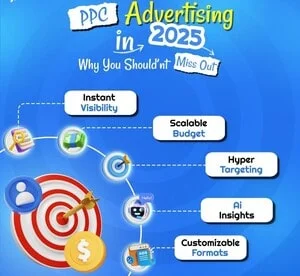
One compelling statistic that showcases the power of AdWords is the impressive return on investment it generates. On average, businesses make $2 in revenue for every $1 they spend on AdWords campaigns. This compelling figure highlights the effectiveness of this platform in driving sales and revenue growth. Moreover, AdWords allows businesses to have complete control over their advertising budget, enabling them to set daily spending limits and adjust bids to align with their marketing goals.
AdWords utilizes a pay-per-click (PPC) model, which means advertisers only pay when someone clicks on their ads. By setting specific keywords and phrases related to their products or services, businesses can ensure their ads are displayed to users actively searching for relevant information. This targeted approach not only increases the chances of conversion but also provides businesses with valuable insights into their target audience’s preferences and behaviors.

Furthermore, AdWords offers a wide range of targeting options to reach specific audiences. With features such as demographic targeting, geographical targeting, and device targeting, businesses can tailor their campaigns to specific regions, age groups, and devices. This level of granularity enables advertisers to maximize their ad spend by focusing on the most relevant audience for their products or services.
AdWords also provides businesses with the ability to display engaging visual ads through the Google Display Network. This network comprises millions of websites, allowing businesses to reach users across a vast array of online platforms. By utilizing engaging imagery and compelling ad copy, businesses can effectively capture the attention of potential customers and drive them to their websites.

In addition to its targeting capabilities, AdWords offers robust analytics and reporting features. Advertisers can track the performance of their campaigns in real-time, gaining valuable insights into their return on investment, click-through rates, and conversion rates. This data-driven approach allows businesses to make data-backed decisions, refining their campaigns to achieve optimal results.
In conclusion, AdWords has become an essential tool for businesses looking to enhance their online presence, generate leads, and drive sales. This powerful advertising platform offers a wide range of targeting options, extensive reach, and impressive return on investment. With its comprehensive analytics and reporting features, businesses can continuously optimize their campaigns and achieve their marketing objectives. With the ever-growing importance of online advertising, AdWords continues to be at the forefront of the digital marketing landscape.

Table of Contents
- Key Takeaways: All About Adwords
- FAQs
- 1. What is Adwords?
- 2. How does Adwords work?
- 3. What are the benefits of using Adwords?
- 4. How do I set up an Adwords account?
- 5. Can I target specific locations with Adwords?
- 6. How much does Adwords advertising cost?
- 7. Can I advertise on other websites using Adwords?
- 8. What is the Google Display Network?
- 9. Can I run video ads with Adwords?
- 10. How can I improve the performance of my Adwords campaigns?
- 11. Can I target specific devices with my Adwords campaigns?
- 12. Are there any restrictions on the types of ads I can run with Adwords?
- 13. Can I track the conversions and ROI of my Adwords campaigns?
- 14. What is quality score in Adwords?
- 15. Can I pause or stop my Adwords campaigns at any time?
- Conclusion
Key Takeaways: All About Adwords
For anyone involved in online advertising or digital marketing, understanding and effectively utilizing Google AdWords is essential. This article provides a comprehensive overview of AdWords and its various components. Here are the key takeaways:
- Google AdWords is a powerful online advertising service provided by Google that helps businesses promote their products or services through targeted ads on search engine result pages (SERPs) and other Google partner websites.
- AdWords operates on a pay-per-click (PPC) model, meaning advertisers only pay when someone clicks on their ads.
- Keyword research plays a critical role in AdWords success. Advertisers must identify the most relevant and high-performing keywords to target in their campaigns for maximum exposure and conversions.
- AdWords offers different types of campaigns, including Search Network campaigns, Display Network campaigns, Shopping campaigns, and Video campaigns, each suited to different advertising objectives and targeting options.
- Quality Score is a crucial metric in AdWords that affects an ad’s position and cost per click. It is determined by the ad’s relevance, the quality of the landing page, and the click-through rate.
- Ad extensions enhance the performance of AdWords ads by providing additional information or functionalities, such as call buttons, sitelink extensions, and location extensions.
- AdWords also offers remarketing, which allows advertisers to show ads to previous website visitors, increasing the chances of conversions by targeting users who have shown interest.
- Conversion tracking is essential for measuring the effectiveness of AdWords campaigns. By setting up conversion tracking, advertisers can monitor actions that are valuable to their business, such as purchases or form submissions.
- AdWords offers various bidding strategies, including manual bidding, automated bidding, and Enhanced CPC, allowing advertisers to control their advertising costs while aiming for their desired campaign goals.
- AdWords provides detailed reporting and analytics tools, enabling advertisers to gather insights into their campaign performance, audience demographics, and ad interactions, thereby empowering data-driven decision-making.
- Google AdWords is constantly evolving, with regular updates and new features being introduced. Staying up to date with these changes is crucial for advertisers to stay competitive and optimize their campaigns.
- AdWords allows for precise targeting options, such as demographic targeting, location targeting, and device targeting, helping advertisers reach their desired audience and maximize their advertising budget.
- AdWords provides ad scheduling options, allowing advertisers to choose specific times and days when their ads will be shown. This flexibility helps optimize campaign performance and budget allocation.
- AdWords offers a range of tools and features, like the Keyword Planner, Ad Preview and Diagnosis tool, and AdWords Editor, to assist advertisers in campaign setup, optimization, and management.
- While AdWords can be a powerful tool, successful utilization requires careful planning, monitoring, and optimization to ensure maximum return on investment (ROI) and achieve campaign objectives.
By understanding and implementing the key takeaways from this article, advertisers can confidently and effectively use Google AdWords to boost their online presence, increase brand visibility, and drive targeted traffic to their websites.

FAQs
1. What is Adwords?
Adwords is an online advertising service provided by Google that allows businesses to display their ads on Google’s search engine results page and other websites within the Google Display Network.
2. How does Adwords work?
Adwords works on a pay-per-click (PPC) model, where advertisers bid on specific keywords to display their ads. When a user searches for a keyword related to an advertiser’s business, the ad may be shown, and the advertiser is charged only when the ad is clicked.

3. What are the benefits of using Adwords?
Using Adwords can help businesses reach their target audience, increase brand visibility, drive website traffic, and generate leads or sales. Adwords also provides detailed insights and analytics to track the performance of ad campaigns.
4. How do I set up an Adwords account?
To set up an Adwords account, you need to visit the Google Ads website and follow the step-by-step account creation process. You will need to provide your business details, create ad campaigns, set a budget, and choose targeting options to get started.
5. Can I target specific locations with Adwords?
Yes, Adwords allows you to target specific locations, including countries, states, cities, or even specific radius areas. This helps you focus your ads on the areas where your target audience is most likely to be located.

6. How much does Adwords advertising cost?
The cost of Adwords advertising varies depending on several factors, including the competitiveness of the keywords you’re targeting, your ad quality, and your bidding strategy. Advertisers can set daily budgets and control their spending to align with their advertising goals.
7. Can I advertise on other websites using Adwords?
Yes, besides Google’s search results page, Adwords allows you to display your ads on other websites within the Google Display Network. These websites include blogs, news sites, and other partner websites that have opted to display Google ads.
8. What is the Google Display Network?
The Google Display Network is a collection of millions of websites, videos, and apps that have partnered with Google to show ads. It provides advertisers with access to a wide audience and various ad formats, including text, image, and video ads.
9. Can I run video ads with Adwords?
Yes, Adwords offers video advertising through its platform. You can create and run video ads on YouTube and other partner websites within the Google Display Network. Video ads can help engage users and promote product or brand awareness.

10. How can I improve the performance of my Adwords campaigns?
To improve the performance of your Adwords campaigns, you can optimize your ads and keywords, create relevant and compelling ad copies, test different ad variations, use ad extensions to provide additional information, and regularly analyze and adjust your campaigns based on performance data.
11. Can I target specific devices with my Adwords campaigns?
Yes, Adwords allows you to target specific devices, including desktops, laptops, mobile phones, and tablets. You can adjust your bids and ad formats to cater to different devices and optimize your campaigns for specific user experiences.

12. Are there any restrictions on the types of ads I can run with Adwords?
Yes, Adwords has a set of advertising policies that outline the types of ads that are not allowed. These include ads promoting illegal products or services, deceptive practices, adult content, and certain types of healthcare or financial products. It is important to review and comply with these policies before running your ads.
13. Can I track the conversions and ROI of my Adwords campaigns?
Yes, Adwords provides conversion tracking tools that allow you to track specific actions on your website, such as purchases, form submissions, or app downloads. By setting up conversion tracking, you can measure the return on investment (ROI) of your ad campaigns and optimize them for better performance.

14. What is quality score in Adwords?
Quality score is a metric used by Adwords to determine the quality and relevance of your ads and keywords. It takes into account factors like click-through rate, ad relevance, and landing page experience. A higher quality score can result in lower costs and better ad positions.
15. Can I pause or stop my Adwords campaigns at any time?
Yes, with Adwords, you have full control over your campaigns. You can pause, start, or stop your campaigns at any time based on your advertising goals and performance. This flexibility allows you to make adjustments and optimize your campaigns as needed.
Conclusion
In conclusion, All About Adwords has provided us with invaluable insights into the world of online advertising and the power of Google AdWords in driving business growth. Through this article, we have explored various key points and strategies related to maximizing the effectiveness of AdWords campaigns.
Firstly, we learned about the importance of keyword research and selection. AdWords enables businesses to target potential customers by bidding on relevant keywords, ensuring their ads appear when users search for those specific terms. By conducting thorough keyword research, businesses can identify high-volume, low-competition keywords to improve their ad relevancy and increase their chances of reaching their target audience.
Next, we discussed the significance of creating compelling and engaging ad copies. AdWords allows advertisers to create text-based ads that capture the attention of potential customers and entice them to click on the ad. By using concise and persuasive language, highlighting unique selling points, and implementing strong call-to-actions, businesses can increase their click-through rates and boost their chances of conversions.
Furthermore, All About Adwords emphasized the importance of continuous monitoring and optimization of AdWords campaigns. By regularly analyzing campaign performance metrics such as click-through rates, conversion rates, and revenue generated, businesses can identify areas of improvement and make necessary adjustments. A/B testing different ad variations, landing pages, and targeting options can also help refine campaigns and enhance overall performance.
The role of landing pages in driving conversions was also discussed in detail. Landing pages play a crucial role in converting visitors into customers. They should be tailored to the specific ad and be visually appealing, easy to navigate, and optimized for mobile devices. By ensuring landing pages are aligned with ad content, offer relevant information, and include clear call-to-actions, businesses can increase their chances of converting leads.
All About Adwords has also shed light on the importance of budget management in AdWords campaigns. Setting a realistic budget and regularly monitoring the cost per click and conversion rates can help businesses allocate their resources effectively. By identifying the most profitable keywords and optimizing bids, businesses can achieve a higher return on investment and maximize their advertising budget.
Moreover, the article explored the advanced targeting options available in Google AdWords. Advertisers can narrow their audience by demographic information, geographic location, and specific interests. This level of granular targeting ensures that businesses reach their most relevant and potential customers, increasing the chances of converting leads into sales.
Additionally, All About Adwords introduced us to the concept of remarketing. By tracking website visitors and displaying ads to them across various websites they visit, businesses can remind potential customers of their products or services and encourage them to revisit and make a purchase. Remarketing is a powerful strategy to maintain brand visibility and engage with potential customers who have already shown an interest in the business.
Lastly, we delved into the importance of tracking and analyzing data to measure the success of AdWords campaigns. By utilizing tools such as Google Analytics, businesses can gain insights into campaign performance, audience behavior, and conversion rates. This data-driven approach allows businesses to make informed decisions, identify areas for improvement, and optimize their AdWords campaigns for maximum ROI.
In conclusion, All About Adwords has provided us with a comprehensive understanding of the power of Google AdWords in driving business growth. Through effective keyword research, compelling ad copy, continuous monitoring and optimization, landing page optimization, budget management, advanced targeting options, remarketing, and data analysis, businesses can maximize the effectiveness of their online advertising campaigns and achieve their marketing goals. AdWords has become an essential tool in the arsenal of online advertisers, providing the means to reach a broader audience, increase brand visibility, and drive conversions. With the knowledge gained from this article, businesses can leverage the power of AdWords to propel their online marketing efforts and stay ahead in the ever-evolving digital landscape.