


- Google AdWords vs AdSense: Understanding the Difference
- What is Google AdWords?
- What is Google AdSense?
- Which Platform is Right for You?
- Sources:
- Key Takeaways
- FAQ 1: What is Google AdWords?
- FAQ 2: What is Google AdSense?
- FAQ 3: How does Google AdWords work?
- FAQ 4: How does Google AdSense work?
- FAQ 5: Can I use both Google AdWords and Google AdSense?
- FAQ 6: How do I sign up for Google AdWords?
- FAQ 7: How do I sign up for Google AdSense?
- FAQ 8: How much does it cost to advertise with Google AdWords?
- FAQ 9: How much money can I make with Google AdSense?
- FAQ 10: What are the benefits of using Google AdWords?
- FAQ 11: What are the benefits of using Google AdSense?
- FAQ 12: Can I run Google AdWords campaigns without a website?
- FAQ 13: How can I optimize my Google AdWords campaigns?
- FAQ 14: Can I use Google AdSense on multiple websites?
- FAQ 15: How do I track the performance of my ads in Google AdWords or AdSense?
- Conclusion
GoogleAdWords and GoogleAdSense are both powerful advertising platforms offered by Google. AdWords is primarily used by advertisers, while AdSense is utilized by publishers to monetize their websites.

An attention-grabbing fact about these platforms is that they were both launched in the early 2000s, with AdWords first introduced in October 2000 and AdSense following suit in June 2003. Since their inception, they have revolutionized the world of online advertising and have become integral parts of digital marketing strategies.
Google AdWords allows advertisers to create and manage various types of online advertisements. This includes search ads, display ads, video ads, shopping ads, and app ads. Advertisers bid for keywords relevant to their products or services, and when a user searches for those keywords, their ads are displayed. AdWords has evolved over time and now offers advanced targeting options, such as demographic targeting, remarketing, and even the ability to target specific websites or placements.

On the other hand, Google AdSense enables website owners or publishers to generate revenue by displaying relevant ads on their websites. AdSense uses contextual targeting to match the ads displayed with the content of the website. This ensures that the ads are relevant and appealing to the visitors. Publishers earn money whenever users interact with these ads, whether it’s by clicking on them or through other engagement metrics.
A compelling statistic showcases AdWords’ significant impact in the digital advertising space. According to a report by eMarketer, Google’s ad revenue amounted to a staggering $134.8 billion in 2019. This highlights the widespread adoption and effectiveness of AdWords as an advertising platform.

The combination of these two platforms is a win-win situation for both advertisers and publishers. AdWords allows advertisers to reach their target audience effectively, ensuring that their ads are shown to the right people at the right time. On the other hand, AdSense enables publishers to monetize their websites and maximize their revenue potential without putting in extensive effort to find and negotiate with advertisers individually.
In conclusion, Google AdWords and Google AdSense are two essential tools in the online advertising industry. AdWords helps advertisers create and manage their ad campaigns, allowing them to reach their target audience effectively. AdSense, on the other hand, enables publishers to generate revenue by displaying relevant ads on their websites. Both of these platforms have revolutionized the way online advertising works and have become indispensable resources for businesses and website owners alike.

What are the key differences between Google Adwords and Adsense? Which advertising solution suits your business best?
Google Adwords and Adsense are two powerful tools provided by Google for online advertisers and publishers. While both offer a way to generate income through advertising, they serve different purposes and cater to different needs in the online advertising space. Understanding the differences between the two will help you decide which platform is the best fit for your business. In this article, we will dive deep into the features, advantages, and use cases of Google Adwords and Adsense to help you make an informed decision for your advertising strategy.
Google Adwords is an online advertising platform designed for advertisers who want to promote their products or services across various Google networks, including Google Search, YouTube, Gmail, and other partner websites. It works based on a pay-per-click (PPC) model, where advertisers bid on specific keywords relevant to their business. When a user searches for a keyword that an advertiser has bid on, their ad may appear at the top of the search results or on relevant websites. Advertisers only pay when someone clicks on their ad, making it a cost-effective solution for driving targeted traffic to their website.

On the other hand, Google Adsense is an advertising network that allows website owners and publishers to monetize their online content by displaying relevant ads on their webpages. Publishers sign up for Adsense and get a code to place on their websites. Known as “publishers,” they earn revenue whenever visitors to their site click on the ads or view them, depending on the specific ad format. Google Adsense matches ads to the content of publishers’ websites, ensuring that they are relevant and likely to generate engagement from site visitors.
Google Adwords focuses on advertiser needs, providing them with a platform to create and run highly targeted ads for their business. Advertisers can choose from various ad formats, including search ads, display ads, video ads, app ads, and more. They have control over their budget, targeting options, ad placements, and can track their ad performance using advanced analytics tools. The aim of Google Adwords is to help advertisers reach their target audience, increase brand visibility, drive website traffic, and ultimately boost conversions and sales.
On the other hand, Google Adsense caters to the needs of publishers who are looking to generate passive income from their websites or online content. By displaying relevant ads, publishers can monetize their traffic and earn revenue. Google Adsense ensures that ads displayed on publishers’ sites are relevant, non-intrusive, and aligned with users’ interests. Publishers have control over the ad formats, sizes, and placements on their websites, allowing them to optimize their revenue potential while maintaining a positive user experience.
While both Google Adwords and Adsense focus on online advertising, they target different audiences and serve different purposes. Adwords is ideal for businesses looking to promote their products or services and drive traffic to their websites. It allows advertisers to reach a wide range of users across Google’s vast network, enabling them to target specific demographics, locations, interests, and even keywords. Adwords provides advertisers with detailed campaign performance metrics, allowing them to optimize their ads and maximize their return on investment (ROI).

Adsense, on the other hand, is suitable for website owners and publishers who want to monetize their online content. It offers an effortless way to generate passive income by displaying ads that are relevant to their site’s content. Publishers can customize the design and placement of ads on their site to ensure they blend seamlessly with their site’s aesthetics and user experience. Adsense provides publishers with detailed reports and analytics, allowing them to track their ad performance and revenue generated.
In conclusion, Google Adwords and Adsense are powerful tools in the world of online advertising, serving different needs in the industry. Adwords focuses on advertisers, providing them with a platform to create highly targeted ads and drive traffic to their websites. On the other hand, Adsense caters to publishers, allowing them to monetize their online content by displaying relevant ads on their webpages. Understanding the differences between the two will help you choose the right platform that aligns with your business goals and objectives.
In the next part of this article, we will delve deeper into the features, advantages, and use cases of Google Adwords, helping you understand how to leverage this platform effectively for your advertising campaigns. Stay tuned!

| Item | Details |
|---|---|
| Topic | Google Adwords Vs Adsense |
| Category | Ads |
| Key takeaway | Google AdWords and Google AdSense are both powerful advertising platforms offered by Google. |
| Last updated | July 2, 2026 |
Google AdWords vs AdSense: Understanding the Difference
When it comes to online advertising, two names that often come up are Google AdWords and Google AdSense. While both are advertising platforms offered by Google, they serve different purposes and cater to different audiences. In this article, we’ll dive into the core differences between Google AdWords and AdSense to help you understand which platform is best suited for your advertising needs.
What is Google AdWords?
Google AdWords is Google’s online advertising service that allows businesses to create and display ads on various Google platforms, including search results, YouTube, and partner websites within the Google Display Network. Advertisers bid on specific keywords related to their products or services, and their ads are shown to users who search for those keywords or browse relevant websites.
With Google AdWords, advertisers have complete control over their advertising campaigns. They can set their budget, target specific geographic locations, choose when and where their ads are displayed, and track the performance of their campaigns through detailed analytics. Advertisers only pay when someone clicks on their ad, making it a cost-effective way to reach potential customers.

Key Features of Google AdWords:
- Keyword targeting for precise ad placement
- Budget control with flexible spending options
- Detailed analytics and reporting
- Ability to create various ad formats (text, image, video, etc.)
- Targeting based on demographics and user interests
What is Google AdSense?
Unlike Google AdWords, which is designed for advertisers, Google AdSense is an advertising network that caters to website owners and publishers. It allows website owners to monetize their content by displaying Google ads on their websites. The ads displayed through AdSense are generated based on the website’s content and the visitor’s browsing habits, resulting in more targeted and relevant ads.
Website owners who participate in the Google AdSense program earn revenue whenever a visitor clicks on the ads displayed on their site. Google handles the entire ad serving process, from choosing the most relevant ads to tracking clicks and payments.

Key Features of Google AdSense:
- Easy integration with websites and blogs
- Targeted ads based on website content and user behavior
- Revenue generation through ad clicks
- Customizable ad formats and placements
- Real-time reporting and tracking
Which Platform is Right for You?
Whether you should choose Google AdWords or AdSense depends on your advertising goals and the role you play in the online advertising ecosystem. If you represent a business looking to promote your products or services, Google AdWords is the way to go. It allows you to reach potential customers actively searching for relevant keywords or browsing websites related to your industry. With AdWords, you have full control over your ad campaigns and can optimize them based on performance data.
On the other hand, if you own a website or a blog and want to generate revenue by displaying advertisements, Google AdSense is the right choice. AdSense automatically displays ads that are relevant to your website’s content, providing a seamless user experience while helping you monetize your online presence.
Ultimately, both Google AdWords and AdSense offer powerful tools for online advertising, but their purposes are distinct. AdWords helps businesses promote their offerings, while AdSense helps website owners earn revenue from their content. By determining your role in the advertising landscape, you can choose the platform that aligns with your goals and maximizes your success.
Statistics show that Google AdWords advertising revenue reached $134.81 billion in 2019, making it a dominant force in the online advertising industry.1
Sources:
- Statista – Google advertising revenue worldwide: https://www.statista.com/statistics/266249/advertising-revenue-of-google/
Key Takeaways
- Google AdWords and AdSense are two core products offered by Google in the online advertising space.
- While both AdWords and AdSense involve advertising on Google’s platform, they serve different purposes and cater to different audiences.
- AdWords is a pay-per-click (PPC) advertising platform that allows businesses to create and display ads on Google Search and partner websites, targeting specific keywords and demographics.
- AdSense, on the other hand, is an advertising network that allows website owners to display Google ads on their websites and earn revenue based on clicks or impressions.
- Advertisers use AdWords to reach potential customers actively searching for products or services, while publishers use AdSense to monetize their website traffic by displaying relevant ads.
- With AdWords, advertisers have more control over their campaigns, including targeting options, ad formats, and budget allocation.
- AdSense, on the other hand, provides website owners with an opportunity to generate income without the need to actively manage ad campaigns.
- AdWords offers various ad formats, such as text ads, display ads, video ads, and shopping ads, providing advertisers with flexibility in reaching their target audience.
- AdSense primarily serves display ads, including text, image, and rich media ads that can be customized to match the look and feel of the website.
- AdWords allows advertisers to set a budget, bid on keywords, and pay only when someone clicks on their ads, making it a cost-effective advertising solution.
- AdSense allows website owners to earn revenue by displaying ads on their site, with payment based on ad clicks or impressions.
- AdWords focuses on driving traffic and conversions for businesses, while AdSense focuses on earning revenue for publishers.
- Both AdWords and AdSense use an auction system to determine the placement and pricing of ads, with factors such as ad quality, bid amount, and ad relevance playing a role.
- AdWords offers advanced targeting options, including location targeting, device targeting, and audience targeting, allowing advertisers to reach their desired audience more effectively.
- AdSense integrates with Google’s ad network, providing access to a wide range of advertisers and extensive inventory, ensuring maximum revenue potential for website owners.
- Both AdWords and AdSense provide detailed performance metrics, allowing advertisers and publishers to track the success of their campaigns and make data-driven optimizations.
In summary, Google AdWords and AdSense are complementary tools in the online advertising ecosystem, serving the needs of advertisers and publishers respectively. AdWords is ideal for businesses looking to reach potential customers with targeted ads, while AdSense provides website owners with an opportunity to generate revenue by displaying relevant ads. Understanding the differences and benefits of each platform can help advertisers and publishers make informed decisions to achieve their goals in online advertising.
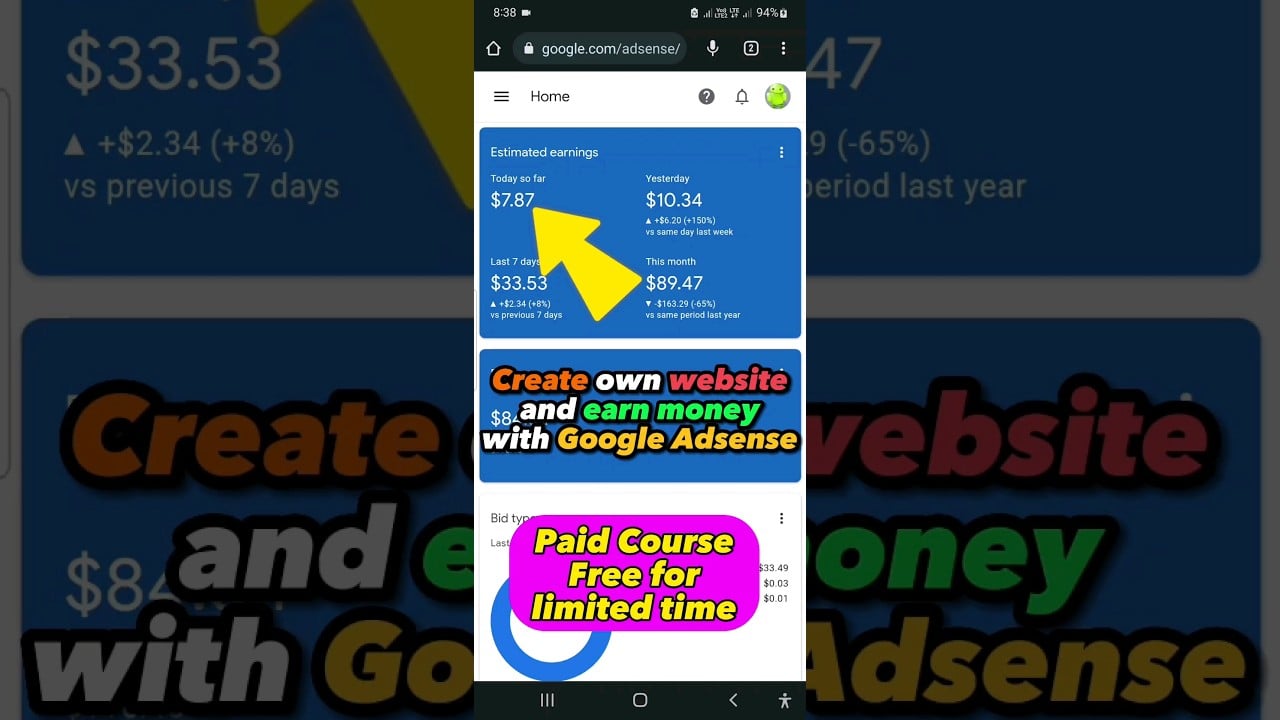
FAQ 1: What is Google AdWords?
Google AdWords is an online advertising platform developed by Google. It allows advertisers to display ads on Google’s search engine results pages and partner websites. Advertisers bid on keywords relevant to their target audience, and their ads are shown when users search for those keywords.
FAQ 2: What is Google AdSense?
Google AdSense is a program that allows website owners and publishers to monetize their content by displaying targeted advertisements. AdSense matches ads to the content of the webpage and pays publishers based on the number of ad clicks or impressions.
FAQ 3: How does Google AdWords work?
Google AdWords works on a pay-per-click (PPC) model. Advertisers create text or display ads and bid on keywords. When users search for these keywords, Google displays ads relevant to the search query. Advertisers are charged only when someone clicks on their ads.
FAQ 4: How does Google AdSense work?
Google AdSense works by analyzing the content of a webpage and displaying relevant ads. AdSense uses contextual targeting to match ads to the webpage’s content. When visitors click on these ads, publishers earn a portion of the revenue generated by those clicks.
FAQ 5: Can I use both Google AdWords and Google AdSense?
Yes, you can use both Google AdWords and Google AdSense. AdWords allows you to advertise your products or services, while AdSense allows you to earn revenue by displaying ads on your website.
FAQ 6: How do I sign up for Google AdWords?
To sign up for Google AdWords, visit the Google AdWords website and click on the “Start Now” button. You will need a Google account to proceed. Follow the instructions to set up your AdWords account, create campaigns, and start advertising.
FAQ 7: How do I sign up for Google AdSense?
To sign up for Google AdSense, visit the Google AdSense website and click on the “Sign Up Now” button. You need to have a website or a blog that complies with the AdSense program policies. Follow the instructions to create an AdSense account, generate ad codes, and start monetizing your content.
FAQ 8: How much does it cost to advertise with Google AdWords?
The cost of advertising with Google AdWords varies depending on your budget and the keywords you choose to bid on. Advertisers set a maximum bid for each keyword, and Google charges them for each click on their ads. You can control your daily budget and set maximum bid limits to manage your advertising costs.
FAQ 9: How much money can I make with Google AdSense?
The amount of money you can make with Google AdSense depends on various factors, including the traffic to your website, the relevance of ads to your content, and the number of clicks or impressions your ads receive. AdSense provides detailed reports showing your earnings and performance metrics.
FAQ 10: What are the benefits of using Google AdWords?
- Increased visibility for your products or services
- Reach a wider audience
- Flexible budget control
- Target specific keywords and demographics
- Access to detailed performance metrics
FAQ 11: What are the benefits of using Google AdSense?
- Monetize your website or blog
- Generate passive income
- Display relevant ads to your audience
- Customize ad formats and placements
- Access to performance reports and analytics
FAQ 12: Can I run Google AdWords campaigns without a website?
No, you need a website or a landing page to run Google AdWords campaigns. AdWords requires a destination URL where users will be directed when they click on your ads. This URL should relate to the products or services you are advertising.
FAQ 13: How can I optimize my Google AdWords campaigns?
You can optimize your Google AdWords campaigns by:
- Researching and selecting relevant keywords
- Creating compelling and targeted ad copy
- Testing different ad variations
- Optimizing landing pages for conversion
- Monitoring and adjusting campaign settings
FAQ 14: Can I use Google AdSense on multiple websites?
Yes, you can use Google AdSense on multiple websites. Once your AdSense account is approved, you can generate ad codes for each website and place them on the respective webpages. However, each website should comply with AdSense policies and guidelines.
FAQ 15: How do I track the performance of my ads in Google AdWords or AdSense?
In Google AdWords, you can track the performance of your ads through the AdWords interface. It provides detailed reports on impressions, clicks, click-through rates, conversions, and other metrics. In Google AdSense, you can access performance reports and analytics through your AdSense account, which show you earnings, ad impressions, clicks, and other relevant data.
Conclusion
In conclusion, the comparison between Google Adwords and Adsense has shed light on the key differences and similarities between these two powerful tools in the world of online advertising. Both Adwords and Adsense offer great potential for businesses and website owners to reach their target audience, increase their online visibility, and ultimately boost their revenue.
Google Adwords is an advertising service that allows businesses to create and manage advertisements that appear on Google search results pages, as well as on other relevant websites in the Google Display Network. With Adwords, advertisers have full control over their ad campaigns, including the choice of keywords, ad formats, and targeting options. This gives them the ability to reach potential customers who are actively searching for products or services related to their business. Adwords operates on a pay-per-click (PPC) model, which means that advertisers only pay when someone clicks on their ad. This ensures that businesses are only paying for the actual traffic they receive, making their advertising budget more efficient and cost-effective.
On the other hand, Google Adsense is an advertising network that allows website owners to monetize their online content by displaying relevant ads. With Adsense, website owners can earn money by featuring targeted advertisements on their websites, and they receive a portion of the revenue generated when visitors click on those ads. Adsense offers a seamless integration process, allowing website owners to easily implement the code on their site and start earning money right away. This makes it an attractive option for publishers who want to monetize their content without investing significant time and effort in creating and managing their own ad campaigns.
Although Adwords and Adsense serve different purposes, they are both highly valuable tools in the world of online advertising. Adwords caters to businesses that want to promote their products or services and reach potential customers at the moment of their active search, while Adsense empowers website owners to monetize their content by displaying targeted ads. Both platforms provide advertisers and publishers with extensive targeting options, ad formats, and analytical insights to optimize their campaigns and maximize their return on investment. Ultimately, the decision between Adwords and Adsense depends on the specific needs and goals of each individual or business. Whether one seeks to advertise products or earn money through online content, Google’s advertising suite offers a robust and effective solution.